
De-shedding Tips: Keeping Your Dog’s Coat Healthy
Maintaining a healthy coat for your dog involves regular brushing and combing. The right tools make a significant difference in achieving optimal results. First, choose a quality brush suitable for your dog’s fur type, whether it’s short, medium, or long. A slicker brush, bristle brush, or undercoat rake can be effective depending on your pup’s needs. Regularly brushing your dog prevents matting and reduces shedding, keeping your home cleaner. Additionally, it promotes healthy skin by distributing natural oils from the skin throughout the coat. Establish a consistent grooming routine that aligns with your dog’s shedding cycle, often more pronounced during seasonal changes. Brush your dog at least once a week, increasing frequency during shedding seasons for maximum effectiveness. Ensure you’re gentle and patient, making the experience enjoyable for your furry friend. Use treats and praise during and after grooming sessions to associate brushing with positive experiences. Keeping your dog calm while brushing can reduce stress for both of you. Finally, maintaining a nutritious diet rich in omega fatty acids can enhance coat health and reduce excessive shedding altogether.
A good brushing technique is crucial in ensuring effective grooming. It’s recommended to start at your dog’s neck and work your way down to the tail, following the hair growth direction. This technique not only untangles knots easily but also effectively removes loose fur. For dogs with longer coats, you might need to part the fur and groom in sections to ensure thoroughness. Utilize the correct pressure when brushing; too much force can cause discomfort, while too little may not effectively remove loose hair. Pay special attention to areas prone to matting or tangling, such as behind the ears, under the legs, and around the tail. If you encounter particularly stubborn tangles, consider using a detangling spray or conditioner designed for dogs, making the grooming process smoother. After grooming, a bath is often beneficial. It helps to remove any remaining loose hairs and dirt, revitalizing your dog’s coat. Ensure that you choose a dog-friendly shampoo and use it according to directions to avoid drying out their skin. Regular baths, spaced appropriately, contribute to both coat health and cleanliness, enhancing your dog’s overall appearance.
Grooming Tools You Need
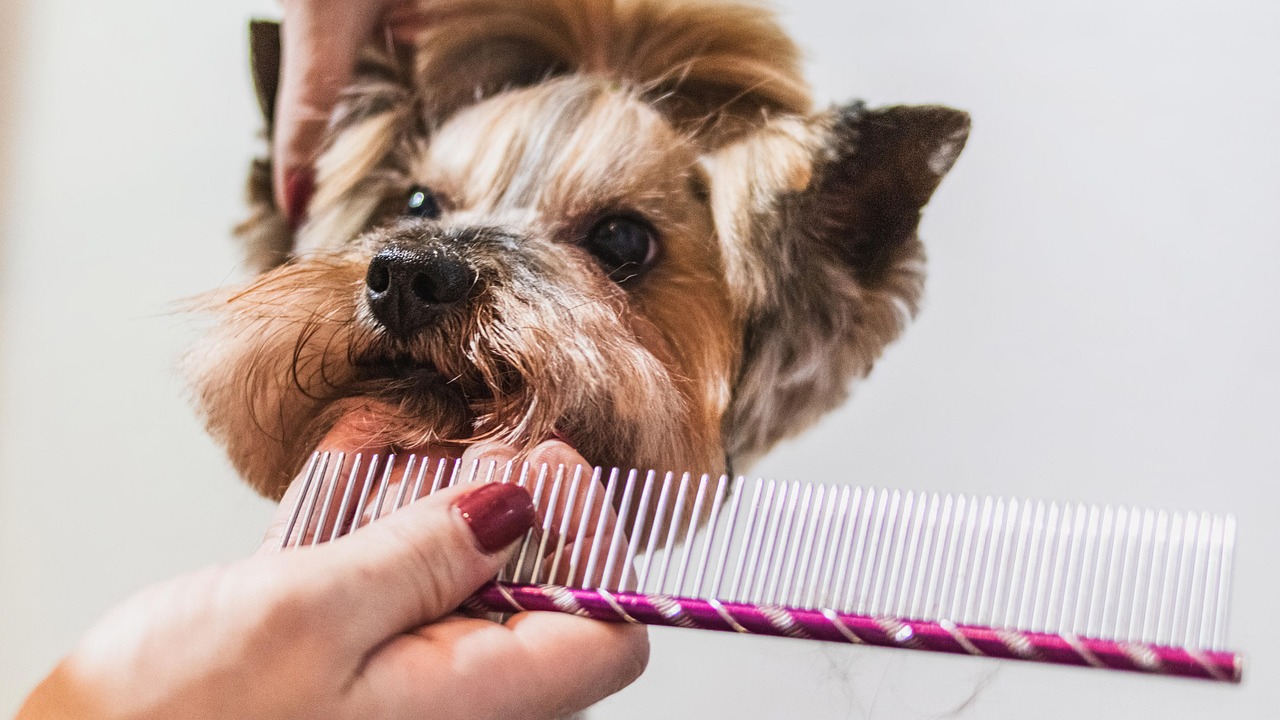
Selecting the right grooming tools is essential for effective de-shedding. It’s advisable to invest in high-quality brushes specifically designed for your dog breed’s fur type. For example, long-haired breeds benefit more from a slicker brush or a pin brush, while short-haired breeds do well with bristle brushes or rubber grooming mitts. Consider a de-shedding tool specifically crafted to remove undercoat fur effectively, especially for double-coated breeds. Each tool serves a purpose, and using them correctly will maximize de-shedding results. Additionally, you might want dog grooming scissors to manage any stubborn knots in your dog’s coat. The goal should always be to minimize discomfort while ensuring a clean and neat appearance. Remember to replace worn-out grooming tools, as damaged bristles can cause skin irritation, leading to additional complications. Alongside brushes, consider a grooming vacuum or a lint roller to manage fur around the house effectively. Regular cleaning of your grooming tools is also necessary to prevent the buildup of bacteria and allergens. Clean tools facilitate an enjoyable grooming experience, making it better for both you and your furry companion.
Grooming can also be an excellent bonding experience for you and your dog. Incorporate training and play into the grooming session to alleviate any stress, making it a fun routine. Rewards with treats and verbal praise can significantly enhance your dog’s experience and build trust. This may involve using specific commands while grooming, which can improve your dog’s response over time. Slowly introduce brushing to puppies, associating it with comfort and pleasure. They are more likely to accept grooming as a normal activity throughout their life if accustomed to it early on. If your dog seems anxious or uncomfortable, take frequent breaks to avoid overwhelming them. You can also try different times of the day, finding when your pet is most relaxed, facilitating a smoother grooming experience. Some dogs enjoy calming music or soothing voices during grooming sessions. Besides promoting trust and comfort, bonding through grooming leads to better health check-ins. During brushing, keep an eye out for skin irritations, lumps, or signs of parasites. Early detection ensures your dog maintains optimal health, fostering a stronger owner-pet relationship.
Hydration and Nutrition
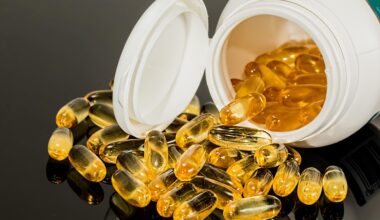
Your dog’s hydration and nutritional needs play vital roles in maintaining a healthy coat. Providing access to fresh, clean water is essential for overall health. Dogs that are well-hydrated exhibit healthier skin and fur, reducing shedding. Nutrition also directly impacts coat health. Feeding your dog a balanced diet rich in high-quality proteins and omega fatty acids will significantly benefit their grooming needs. Foods containing fish oil or flaxseed can contribute positively to coat luster while minimizing shedding. Look for dog food brands that list meat as the first ingredient and avoid fillers or by-products. Frequent dietary changes, however, may upset your dog’s stomach; hence, any diets must be transitioned slowly. Consultation with your veterinarian about the ideal diet tailored to your dog’s specific needs is beneficial. Supplements can also be an option; however, they should only be considered if recommended by your vet. Ultimately, understanding the connection between diet and grooming results will motivate you to support your dog’s health consistently. Taking a proactive approach ensures that you enjoy a healthy and beautiful coat on your beloved pet.
Professional grooming can also play a crucial role in your dog’s coat management. Depending on the breed, some dogs may require services from a professional groomer to maintain their coats effectively. Professionals are trained to handle complex grooming tasks that include dematting, scissoring, and bathing. Regularly scheduled appointments can help manage shedding and maintain a neat appearance throughout the year. Additionally, skilled groomers can offer grooming tips tailored to your dog’s specific needs and behaviors. They may also assist with the identification of any skin issues or other health concerns that you may overlook. Always choose a reputable grooming salon known for their quality service and customer care, ensuring your dog feels secure throughout the process. Proper grooming prevents discomfort and ensures your dog’s coat remains healthy and manageable. Depending on your dog’s fur type, schedule, and shedding habits, discussions with a professional can guide your grooming routine at home. Establishing a good relationship with a groomer empowers you to work together in maintaining your dog’s appearance and overall health.
Routine and Consistency
Lastly, establishing a grooming routine is crucial to ensure a healthy coat for your dog. Set a schedule that incorporates brushing, bathing, and professional grooming as necessary. Keeping a consistent grooming routine not only improves your dog’s coat condition but also helps them feel more comfortable in the process. Choose a specific time during the week when grooming might fit seamlessly into your routine. It can also help immensely to document your dog’s grooming progress, allowing you to adjust your approach as needed. Experience will guide you in understanding your dog’s unique requirements. Communicating with your veterinarian about any concerns is also vital to solidify a consistent care plan. Dogs thrive in consistency, and establishing familiar routines helps create a comforting environment. Be prepared to adapt your routine as seasons change; during shedding seasons, increase the frequency of brushing to keep up with the increased buildup of loose fur. Creating a positive and predictable experience will ensure that grooming becomes an enjoyable time rather than a chore, ultimately leading to a healthier and happier dog.
In conclusion, employing the right techniques and tools in dog grooming, specifically brushing and de-shedding, is fundamental in maintaining your dog’s coat health. Establishing routines, being consistent, and providing proper hydration and nutrition will contribute significantly to effective grooming. Bonding through grooming can strengthen the relationship between you and your pet, allowing you both to enjoy the process. When you understand your dog’s grooming needs, you empower them to feel comfortable and secure. Remember, each dog is unique and may require different approaches depending on their breed, coat type, and individual personality. Offering positive reinforcement throughout the grooming routine makes it a pleasant experience for your dog. Building a loving and trusting environment during grooming sessions promotes fewer issues with anxiety. Don’t hesitate to seek professional help when necessary; maintaining an optimal coat condition can be complex. Use this guide as a roadmap to create a comfortable and enjoyable grooming routine for your beloved dog. With these tips, your dog’s coat can be healthy, shiny, and wonderful, providing joy to both you and your furry companion in the long run.