
How to Care for Orphaned Puppies: A Complete Guide
Raising orphaned puppies can be a challenging yet rewarding experience. These vulnerable puppies require meticulous care and attention from their caretakers. To ensure their healthy development, it’s essential to establish a routine for feeding, socializing, and grooming. Puppies who have lost their mothers need to be fed with special formula milk that serves as a substitute for their mother’s milk. You can find commercial puppy milk replacers at pet stores or online. Make sure to consult your veterinarian for the best options. Additionally, always feed orphaned puppies at fixed intervals, typically every two to three hours throughout the day. Keep track of their weight gain during the first few weeks for you to notice any issues quickly. If you notice any concerns, consult your veterinarian immediately. Apart from feeding, you will also need to keep them warm. Puppies cannot regulate their body temperature properly, so using heating pads or blankets can help maintain their warmth and comfort. Finally, ensure that the puppies are socialized well by interacting with them frequently.
Once the orphaned puppies reach a few weeks of age, it is time to introduce them to solid food. Gradually mix quality puppy kibble with warm water or puppy formula, creating a mushy consistency for them to eat. It is essential to introduce the new type of food slowly, so their immature digestive systems can adjust without issues. Ensure they are eating the blended mixture without struggle or distress. During this period, continue to monitor their health and growth as their needs change. Providing a stable and stress-free environment encourages the puppies to become well-adjusted adult dogs in the future. Also, remember to provide fresh and clean water whenever they start eating solid food. Potty training orphaned puppies begins as soon as they show signs of being able to control their bladder and bowels. Take them outdoors regularly to help them associate outdoor spaces with bathroom breaks. Accidents may happen initially, but with patience and consistency, they will learn appropriate bathroom habits. Besides, social interaction with other dogs, pets, or humans can promote their social skills significantly.
Health Considerations for Orphaned Puppies
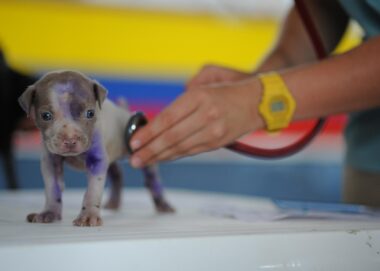
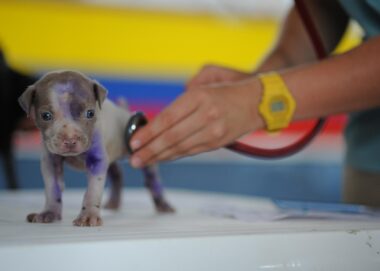
Health checks and veterinary care are critical when caring for orphaned puppies. It’s strongly recommended to schedule a visit with your veterinarian soon after taking in the puppies. During this check-up, the vet will conduct essential screenings, vaccinations, and deworming treatments tailored to each puppy’s age. These vaccinations not only protect the puppies but also help their immune systems become robust as they grow. Monitoring signs of illness is crucial since orphaned puppies are more susceptible to infections. Symptoms like poor appetite, lethargy, or diarrhea should be reported to the vet immediately. Keeping their living space clean and sanitized will further reduce any risk of illness. Regular health assessments allow you to catch any problems early, significantly improving their chances of recovery. Additionally, spaying or neutering should be considered once they are old enough to prevent unwanted litters in the future. Consult your veterinarian about the best age for these procedures. Finally, keep records of veterinary visits up-to-date to reference any future medical issues, which can be essential for a new owner if they are eventually adopted.
Grooming orphaned puppies is another vital aspect of their care. Depending on the breed, some puppies might require regular brushing, bathing, and nail trimming to maintain a healthy coat and proper hygiene. Establish a routine for grooming and ensure a positive experience by using gentle techniques and rewarding them with treats. If you’re unsure how to groom specific breeds, consider consulting a professional groomer. It’s essential to introduce them to handling early on, so they get used to being groomed as they grow. Regular grooming will keep their skin healthy and help prevent matting and skin issues later in life. Additionally, check their ears and teeth regularly, as these areas can develop health problems if neglected. Cleaning their ears can prevent infections, and brushing their teeth can help establish good dental hygiene habits. Puppies should also be taught to accept these grooming habits because it contributes to their overall well-being. Most breeds thrive on attention and can become anxious if they are not cared for thoroughly. Give orphaned puppies the care they deserve as they grow into loving companions.
Socialization and Training
Proper socialization is essential for orphaned puppies to become well-rounded and confident adults. Early exposure to a variety of environments, people, and other animals is crucial. Socializing them in a safe manner will help them develop appropriate behaviors and manage future encounters. Consider scheduling puppy play dates with other vaccinated dogs to help them learn dog-to-dog interaction in a controlled environment. Puppy training classes can also be beneficial. These classes teach basic commands, provide supervised interactions with other puppies, and help build their confidence. Be patient and consistent in your training approach, using positive reinforcement techniques. Encouragement and rewards can help them associate obedience and good behavior with positive outcomes, creating a strong bond with you. Diverse experiences will enable them to adapt to different scenarios they may encounter when they grow older. It’s crucial to ensure these experiences are positive, as negative ones can lead to fearful or aggressive behaviors. Carefully monitoring their interactions and guiding them as they learn can pave the way for happy, healthy companionships in the future.
As your orphaned puppies grow, it’s important to evaluate and adjust their living situation according to their developing needs. Adult dogs require different spaces compared to puppies. Make sure to provide a safe and designated area for them to play and sleep. This can help prevent messes in areas where they shouldn’t be. A confined space also helps foster a sense of security for orphaned puppies. Puppy-proofing your home is another critical step—remove any hazardous items like electric cords, chewing materials, or small objects that they might ingest. As they become more adventurous, you will have to keep a keen eye on them during their exploration. Supervision is crucial to ensure they do not develop bad habits. Once they are trained and responsive to commands, more freedom can be granted. Moreover, consider their energy levels when selecting toys. Engage them in interactive play or provide chew toys to stimulate their minds. Giving them constructive activities can help alleviate boredom and prevent destructive behavior as they mature into adult dogs.
Finding Permanent Homes for Orphaned Puppies
Once the orphaned puppies are ready for adoption, it’s time to find them loving forever homes. Start by creating profiles for each puppy showcasing their personalities, photos, and any specific needs. Utilize social media platforms and pet adoption websites to share their stories and attract potential adopters. In the profile, outline the adoption process, requirements, and any pertinent information about the puppies, including vaccinations and history. It’s vital to find responsible adopters who understand the commitment involved in raising a dog. Consider implementing a screening process that includes an application and interview to assess readiness. Providing a proper understanding of each puppy’s needs and behaviors can set the adopter up for success. Once you find suitable homes, consider following up on the puppies to ensure they are adjusting well. Furthermore, gather feedback from the new owners regarding any concerns or challenges faced during the transition period. This information can help improve your caregiving practices for future orphaned puppies. Ultimately, finding these loving homes is the goal to ensure happy endings for the orphaned puppies you cared for.
Finally, remember that caring for orphaned puppies is a significant responsibility that requires time and commitment. It’s essential to have a stable support system in place, whether it involves volunteers, family, or veterinary assistance. Building a network can help greatly when unexpected situations arise. This involvement can also make the experience enjoyable as you share the joy of seeing the puppies flourish. Being knowledgeable about the local resources available for animal care can enhance your ability to care for them effectively. Numerous organizations can offer help with fostering, training, or even medical assistance if needed. They can provide additional educational resources for both you and potential adopters. Consider enrolling in webinars or workshops focused on dog care, training, and behavior to further enhance your skills. Being an informed caregiver enables you to act confidently in various situations that may arise. Patience and diligence should guide your approach to caring for orphaned puppies. Remember, with love and careful attention, they will thrive, grow, and ultimately find their place in forever homes. Their journey begins with you, the caregiver, who can make a difference in their lives.