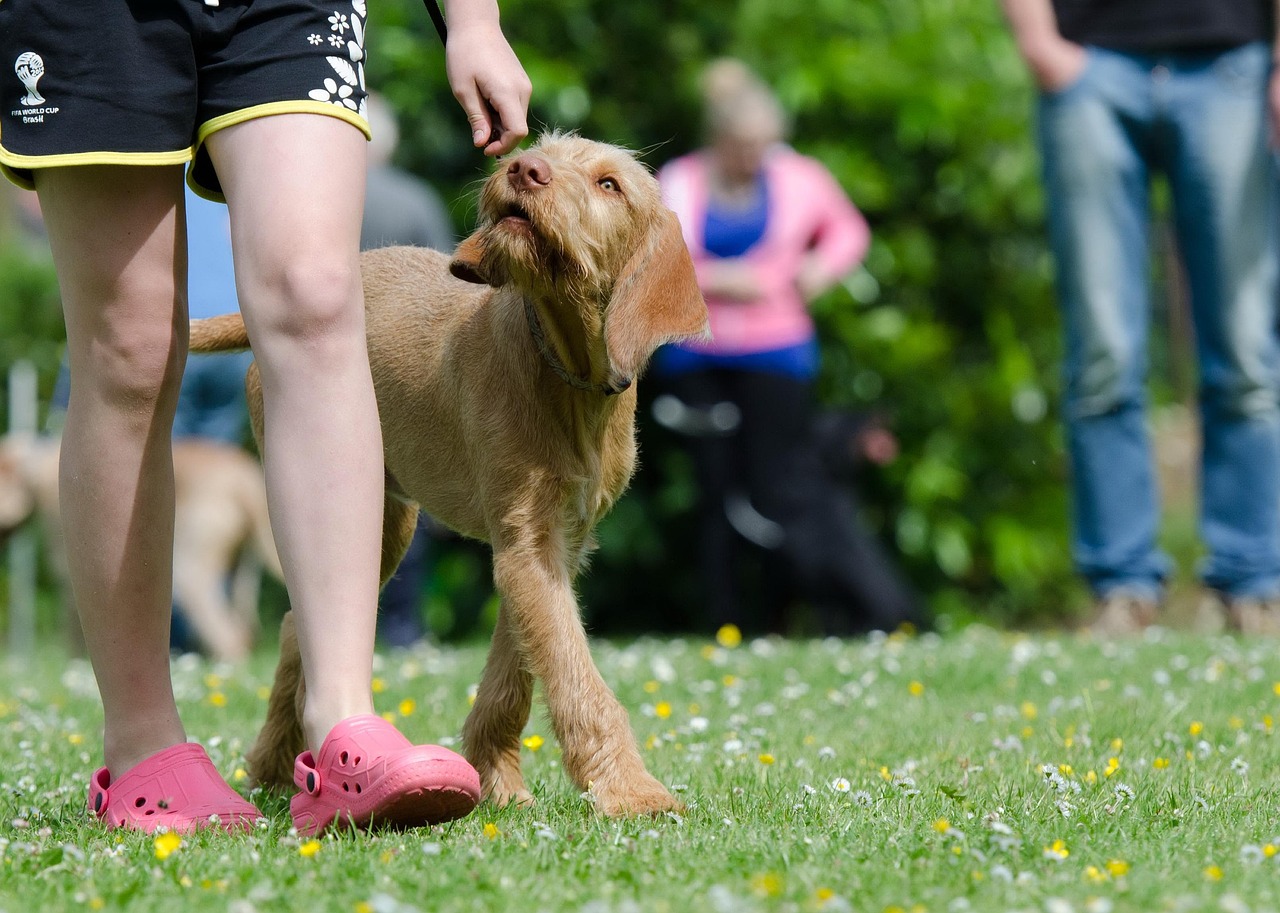

How to Teach Your Dog Basic First Aid Commands
Teaching your dog basic first aid commands can significantly improve their safety and well-being. Just like humans, dogs can encounter situations that require prompt action to prevent further harm. Training your dog in basic first aid commands involves both learning techniques and building a bond of trust. Begin by familiarizing your dog with the command words and ensuring they understand your tone. Use positive reinforcement techniques to encourage your dog, rewarding them with treats or praise when they respond correctly. Remember to start with simple commands such as ‘stay’, ‘come’, or ‘leave it’ to develop a strong foundation. As your dog becomes more comfortable with these commands, you can gradually introduce more specialized commands that are tied to first aid situations. Consistent practice and patience during training will yield the best results. Additionally, it is vital to remain calm and composed when training in a first aid context to instill confidence in your dog. Through effective training, you not only prepare your dog for emergencies but also foster a deeper level of communication that can be beneficial on various occasions.
The next key aspect of first aid command training involves proper techniques for teaching specific commands. For instance, utilize the ‘stay’ command effectively by starting in a controlled environment. Gradually increase distractions and distances to test your dog’s response. Start by asking your dog to sit, then reward them for remaining in place. Important commands like ‘come’ are vital during emergency situations. Always ensure your dog understands the importance of returning to you when called. Clicker training is an effective method that can be used to reinforce learning. Providing treats after a command is followed encourages positive behavior. Alongside verbal cues, using hand signals will enhance your dog’s understanding. Visual aids, such as flashcards, can help them associate actions with commands. Over time, your dog should be able to respond reliably to these commands during high-pressure situations. Regular short training sessions are often more effective than infrequent long durations. Make it a part of your routine, gradually increasing complexity. This method ensures your dog remains engaged and responsive when it matters, ultimately ensuring their safety in emergency situations.
Understanding the Importance of Calmness
One of the most critical elements in dog first aid command training is teaching your dog to remain calm in emergencies. In a panic-driven situation, a dog might react unpredictably without understanding the commands. Introduce calming techniques such as deep-breathing for you and your dog to manage stress levels. This technique encourages focus, helping your dog respond better to commands. Begin with light socialization experiences with other dogs to build their confidence. Next, expose them to simulated emergency scenarios to gauge their reactions without real dangers. Use high-value treats to reward calm behavior and reinforce a sense of security. It’s essential to break down the training into manageable sessions to avoid overwhelming your dog. This consistency helps them distinguish between normal and emergency situations over time. Beyond just first aid commands, reinforcing calm behavior in all areas of training benefits the overall relationship between you and your dog. A calm dog can manage stress much better, leading to improved efficiency when taking action during emergencies and minimizing further anguish in tense encounters.
In addition to basic commands, it is crucial to familiarize your dog with various first aid tools and materials. This understanding will help ease anxiety when these items are needed during real-life situations. Start slowly by introducing objects such as gauze, bandages, or medical kits. Initially, allow them to sniff and explore these items, rewarding them with treats to create positive associations. Over time, guide your dog on how these tools may be used in scenarios requiring first aid. For example, simulate a situation where a bandage is necessary, and gently wrap it around a soft toy first. This creates an analogy that they can comprehend. Being patient while your dog learns about these objects is vital, as rushing could cause unnecessary stress or fears. Combine this exposure with commands such as ‘stay’ or ‘down’ while these items are present to reinforce calm behavior. This practice not only resolves their fears but also equips them to handle actual situations with composure and understanding, creating a naturally responsive partner in emergencies.
Practicing Responding to Commands
Once your dog has successfully grasped first aid commands, it’s time to develop response behavior through practice. Engaging in mock emergencies can be both fun and educational. For instance, you can create a scenario where a toy is ‘injured’, and your dog must respond to specific commands. This will encourage them to employ learned behaviors in a simulated yet safe environment. Use treats to reward them for they accurately follow through on your commands. Consistency in practice will ensure your dog can recall these commands quickly during real emergencies. Vary the environment periodically to prevent your dog from anticipating commands solely based on their location. Include distractions like sounds or smells to mimic real-life chaos during emergencies, testing their capacity to follow commands under stress. Utilizing these methods instills a level of confidence in your dog, resulting in a greater likelihood that they will remain calm and responsive at critical moments. The ongoing reinforcement of commands through varied exercises leads to reliable behavior patterns that ensure your dog is a dependable companion in various challenging situations during emergencies.
As you guide your dog through first aid command training and practice, regularly evaluate their progress. Observing their behavior during training sessions allows you to identify strengths and areas needing improvement. Options to consider include increasing the difficulty of commands, adding new scenarios or even adjusting your approach should challenges arise. Record observations to track progress over time, keeping a checklist of skills to enhance. This monitoring guarantees that your dog evolves with ongoing training. Moreover, inviting friends or family members to observe these sessions can provide new perspectives. Gathering feedback on your training techniques from others can also be enlightening, offering new strategies to try. Don’t hesitate to reach out to professional trainers if you feel more assistance or guidance is necessary. They can provide you with additional resources and materials that will improve your training approach. It’s essential to create an environment of positivity during these evaluations. Understanding each step allows both you and your dog to celebrate achievements and fosters a strong relationship built on trust and successful communication.
Continuing Education on Dog Health
The journey of teaching your dog basic first aid commands doesn’t end after initial training. Continuing education is vital for both you and your dog. Keep yourself informed about the latest techniques in dog first aid and health practices. Online resources and courses can further enhance your understanding of canine first aid. It would help if you also strived to keep your dog engaged by occasionally refreshing their skills. Regularly review commands and introduce new elements to keep their training relevant. Moreover, understanding when to consult a veterinarian for your dog’s health may often depend on assessing situations accurately. Conducting first aid drills can help both you and your dog remain equipped for emergencies. Create a culture of safety by ensuring all family members understand the basic principles of dog first aid. This education helps while reinforcing your dog’s abilities during any incident. By making first aid practice routine, your dog will become more adept, and this leads to a proactive approach when it comes to emergencies, creating a safer environment for them and easing your concerns as a dedicated owner.
In conclusion, teaching your dog basic first aid commands is a paramount endeavor that enhances their safety and well-being. This training facilitates communication, ensuring your dog behaves appropriately in emergencies where every second counts. Through consistency, patience, and positive reinforcement, you can teach your dog essential commands that will serve them throughout their life. Keeping training sessions engaging and manageable proves effective for learning. Regular exposure to first aid tools and practices increases their comfort, preparing them for real-life situations. Remember to remain calm during the training process, as your demeanor creates an atmosphere conducive to learning. Evaluating progress periodically showcases areas for improvement while celebrating achievements fosters a sense of accomplishment. Continuous education around canine health and safety enriches your knowledge and creates a safer environment for your dog. By committing to this foundational training, you ensure that your dog not only understands essential first aid commands but is also emotionally equipped to respond positively and effectively during emergencies, providing peace of mind for both you and your beloved furry friend.