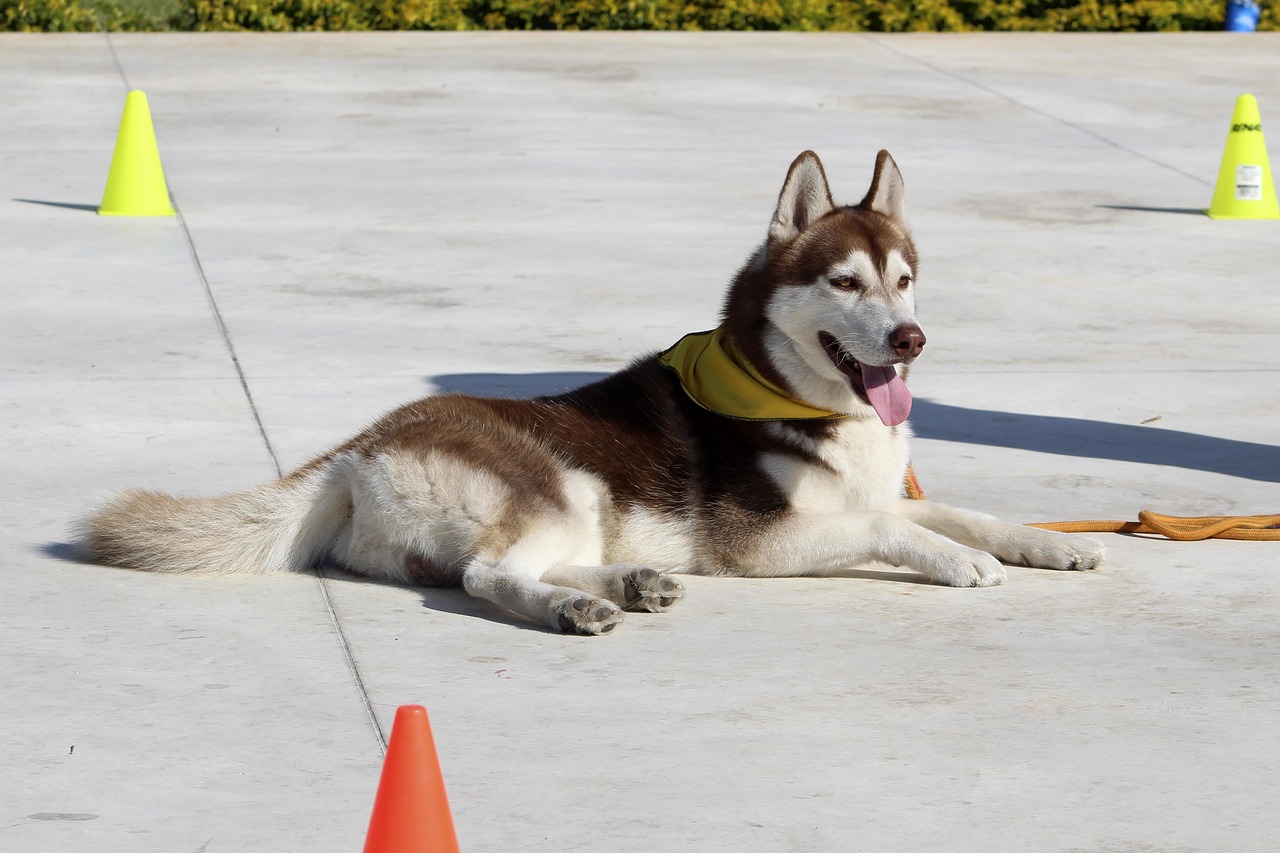

How to Use Pack Psychology to Improve Dog Obedience
Understanding pack dynamics is essential for improving dog obedience. Dogs are social animals, and their behavior is significantly influenced by their pack. When you comprehend how dogs view their relationship within a pack, you can use this knowledge to train them effectively. Dogs often look for leaders, and establishing yourself as a confident and calm leader can encourage your dog to obey you more readily. This approach fosters a trusting environment where your dog feels secure and motivated to listen. Showing consistency in your commands reinforces your role as a leader. Remember, dogs need clear guidelines to understand what is expected of them. Therefore, employing pack dynamics can help in creating a manageable structure in their lives. Dogs tend to thrive when they know their place in the hierarchy, allowing you to implement positive reinforcement strategies. Use treats or praises to reward good behavior. Establishing routine pack activities such as walking together can also promote obedience, as it builds mutual respect and enhances bonding between you and your furry friend. In essence, understanding pack dynamics and effectively applying them fosters not just obedience but also a harmonious relationship.
In addition, body language plays a significant role in pack dynamics. Dogs communicate primarily through their body language, making it essential for you to project calm assertiveness. When teaching commands, ensure your posture is confident but relaxed. Avoid aggressive gestures that may cause confusion or fear in your dog. Instead, use open and inviting body language to encourage your dog to connect with you. Researchers have shown that dogs can interpret human body language remarkably well, making it possible to convey feelings through your stance. Combine positive reinforcement techniques with clear body language to reinforce obedience. Furthermore, training sessions should be enjoyable and consistent. Frequent, short training sessions are often more successful than long, overwhelming ones. This aligns well with the natural learning abilities of dogs, often preferring repetition over extended periods of instruction. As you train, incorporate pack-related activities into your routine, such as playtime or agility exercises. These activities not only enhance obedience but also facilitate interaction among pack members. Connecting these practices with fun will lead to a more obedient dog, fostering the strong bond you’ve established through understanding pack dynamics.
Setting boundaries is another crucial aspect of utilizing pack dynamics in dog training. Just as dogs operate within a hierarchy, establishing boundaries helps define roles within the human-dog relationship. As their leader, it’s essential to set clear expectations about acceptable and prohibited behaviors. Define limits clearly; for example, do not allow your dog to jump on guests if it’s undesirable behavior. Enforce these rules consistently to help your dog comprehend their significance within the pack. Be patient and persistent, as it may take some time for your dog to adjust to the new standards. It’s vital to remember that the foundation of obedience grows from consistent communication and boundaries. Over time, as your dog learns about these limits, they develop a sense of security and understanding in their environment. Creating a structured environment where your dog knows the rules reduces anxiety and fosters better behavior. A mentally stimulated dog is often more well-behaved, alleviating stress for both you and your dog. Use training sessions to reinforce boundaries while implementing fun elements that encourage obedience. Thus, a balanced approach integrating boundaries and affection enhances your dog’s sense of belonging and willingness to obey.
The Importance of Socialization
Socialization is a fundamental aspect of education based on pack dynamics. It offers dogs crucial experiences that help reduce behavioral issues. By introducing your dog to various environments, people, and other animals, you can enhance their adaptability, which is essential for harmonious living. Early socialization helps dogs learn appropriate behaviors, reducing their fear or aggression towards unfamiliar situations later in life. Especially during their crucial developmental stages, exposing them to different stimuli fosters strong emotional resilience. Instructing your dog to interact positively with others can solidify your position as a leader, as they turn to you for guidance in novel environments. Use socialization outings as an opportunity to reinforce obedience through commands and praise. Consistent practice during these outings will help your dog associate socialization with positive experiences. Additionally, the more your dog interacts with various elements, the more they understand their place within the pack structure. Do not forget to reward positive behavior during these interactions. Encouraging good socialization habits ensures your dog will flourish in varied situations. Moreover, dogs that socialize well create fewer conflicts and become valuable members of your household and the community.
Training methods significantly evolve with an understanding of pack dynamics. Employ techniques such as positive reinforcement, where desirable behaviors receive praise or rewards, enhancing your dog’s enthusiasm for learning. Reinforcements work more effectively when given immediately after the desired behavior, solidifying the connection. The aim is to motivate your dog to repeat those behaviors more often. Likewise, using clicker training can offer a clear signal of approval that dogs can quickly comprehend. It pairs a sound with a reward, which is particularly beneficial in explaining complex commands. Consistent application of these methods promotes a stronger bond based on trust and respect. Additionally, always approach training sessions with a calm demeanor. High energy may cause your dog to become overly excited, leading to distractions. The key lies in establishing a calm atmosphere, allowing your dog to focus on tasks at hand. Over time, your dog will begin to view training as an enjoyable experience rather than a chore. Include variations and challenges to keep your dog’s interest high. Engaging training not only boosts obedience but also solidifies the leader-follower relationship that is foundational to successful pack dynamics.
Continuity in training is yet another vital component of enhancing dog obedience through the lens of pack dynamics. Keep in mind that consistency isn’t just about rules; it also pertains to the environment where teachings occur. Dogs thrive in stable conditions that prioritize regularity and understanding. This can include the timing of their meals, exercise schedules, and training opportunities. A routine further reinforces their expectations and behavior. Engage in regular training sessions, designating specific moments in your day where these activities become a norm in your dog’s life. This structure provides a reassuring predictability that promotes confidence in your dog’s behavior. Additionally, involving everyone in your household is essential for developing a successful training regimen. Ensure all family members adhere to the same rules and commands. Disunity in expectations may lead to confusion and hinder your dog’s progress. Always speak to your dog using uniform cues to avoid misinterpretation. This unity establishes a cohesive pack environment allowing your dog to see you as a consistently guiding authority. By providing a predictable and stable environment, you cultivate dog obedience based on comprehensible, familiar commands and structure embraced by all members of the pack.
Finally, patience and perseverance are key tenets for successfully utilizing pack psychology. Remember that dog training is a gradual process, requiring commitment and understanding. Every dog learns at their own pace, so celebrate smaller victories, recognizing that improvement often takes time. This approach develops an environment where learning feels rewarding rather than stressful, benefiting both you and your dog significantly. Moreover, emotional intelligence plays a role in managing expectations. A frustrated handler may inadvertently convey these feelings to the dog, disrupting the learning process. Approach training with an open mind, ready to adapt methods as necessary. Consistency in your actions and reactions fosters guidelines that bolster the pack mentality, ultimately guiding your dog’s behavior towards obedience. Additionally, dog behavior specialists emphasize the importance of bonding through play and affection alongside formal training. Combining these elements illustrates that learning can be enjoyable for both parties. Also, providing mental stimulation through puzzle toys can contribute to the development of problem-solving skills while strengthening obedience over time. Patience is not merely a virtue in dog training; it’s an investment in achieving lasting relationships with your beloved canine companion.