
Preventing Hairballs in Kittens: Early Grooming Strategies
Hairballs are a common concern for cat owners, especially when it comes to kittens. Understanding how to manage and prevent hairballs can greatly benefit your furry friend’s health. Kittens are known to groom themselves frequently, leading to the ingestion of excessive hair. This is why implementing early grooming strategies is essential. Regular brushing helps to minimize loose hair. Consider using a soft-bristled brush tailored for kittens, as their sensitive skin requires gentle care. Additionally, it is important to turn grooming into a pleasant experience. Start slowly, allowing the kitten to get used to the brush and your hands. Incorporating treats during grooming sessions can help create positive associations. Ensuring your kitten receives a balanced diet high in vitamins and omega fatty acids is crucial. These nutrients promote healthy skin and coat, reducing shedding. A healthy coat means less hair ingestion and fewer hairballs. Drinking water is vital for your kitty’s digestion. Encouraging hydration can prevent hairballs since proper hydration supports a healthy digestive system. Thus, effectively managing hairballs starts with creating and maintaining healthy grooming habits.
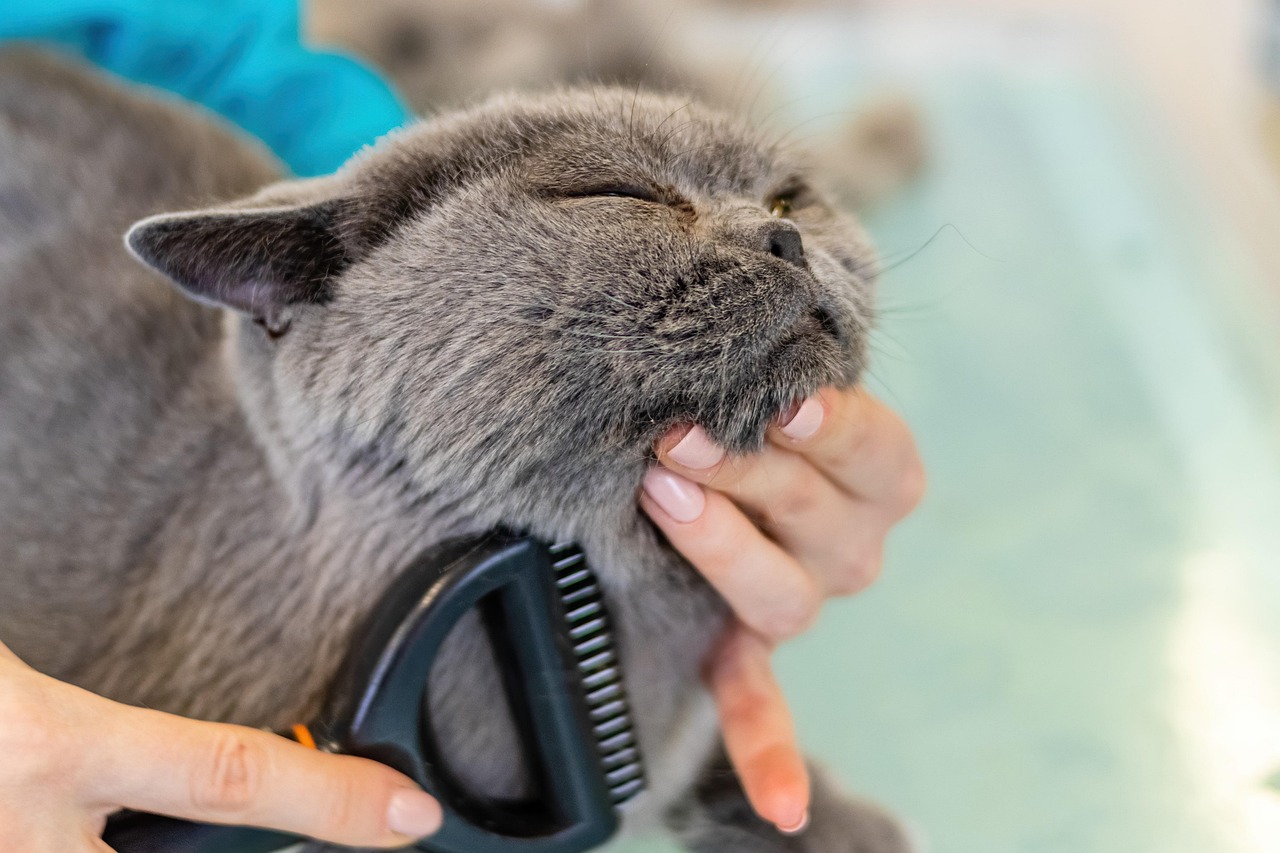
Effective grooming techniques can significantly reduce hairballs in kittens. Begin with a gentle brush designed specifically for young cats. Always focus on areas where shedding is most prevalent, such as the back and sides. It’s essential to establish a routine. For example, try to set aside time once a week where grooming becomes a regular activity. Associated this time with play or cuddling to ensure your kitten feels secure. If your kitten has a long coat, consider using a comb to untangle any knots or mats. Mats can trap hair and lead to more frequent hairball formation. Don’t forget the importance of inspecting your kitten’s coat regularly. Look for any irritations, changes in color, or signs of excessive shedding, as these may indicate underlying health issues. Further, always handle your kitten with care. Gradually introduce grooming tools to avoid overwhelming your pet. For sensitive areas, such as under the chin, use your fingers gently to provide comfort. The more comfortable your kitten is with grooming, the easier hair management will become over time. This early relationship with grooming enhances both trust and cooperation during future groomings.
Diet and Hydration: Key Factors
The diet of your kitten plays an instrumental role in managing hairballs. A nutritious and well-balanced diet will keep your kitten’s skin and fur in optimal condition. Consider choosing wet food alongside dry food to ensure adequate hydration. Hydration is crucial for overall health and specific issues like hairballs. Inadequate fluid intake can lead to a host of problems, including constipation and hairball formation. Moreover, a diet rich in fiber will promote better digestion and mitigate hair accumulation in the stomach. Look for cat foods containing high fiber content; this will aid in normalizing bowel movements. Adding certain supplements, like probiotics, can support digestive health as well. You may consult with a veterinarian to discuss the best dietary plans suited for your kitten. Regular feeding schedules can also benefit your kitten’s digestive health. Instead of allowing free feeding, opt for scheduled meals. This can help monitor your kitten’s eating habits and prevent overeating, which can exacerbate hairball issues. Effectively managing your kitten’s diet and hydration needs can lead to healthier grooming routines, reducing hairball formation.
Grooming offers additional benefits beyond just hair management. Engaging with your kitten during grooming strengthens the bond between you. This interaction fosters a sense of safety and trust in your relationship. Kittens that are more comfortable with their caregivers will respond better during veterinary visits or grooming sessions. Moreover, you will be able to spot any abnormalities during grooming sessions, including skin irritations or lumps. Spotting these concerns early can lead to faster treatment and a happier, healthier cat. It’s vital to choose the right time for grooming, ideally when your kitten is calm and relaxed. Timing can influence the outcome of the grooming, leading to a smoother and more enjoyable experience for both of you. If your kitten becomes irritable, gentle breaks and reassurances can help. Make grooming sessions short, especially initially. Gradually increase the duration as your kitten becomes more accustomed to the process. Patience in grooming goes a long way and yields positive results over time. Even short grooming sessions can make a significant difference in reducing hairball formation and enhancing your kitten’s overall well-being.
The Importance of Regular Vet Checkups
Regular veterinary checkups for kittens are essential to maintain overall health and prevent hairball issues. During these visits, the vet can assess your kitten’s coat condition along with other health indicators. Besides this, your veterinarian can provide advice tailored specifically to your kitten’s breed or health condition. Some breeds are more prone to hairballs due to their coat type, so understanding your kitten’s needs is key to managing grooming effectively. Proactive veterinary care can help you identify any underlying issues that may contribute to increased shedding or digestive problems. Early detection of health issues can prevent complications in the long run. Furthermore, your vet may recommend specialized grooming products or dietary adjustments for your kitten. They may guide you on using safe grooming solutions for sensitive kittens, like hairball prevention treatments. Additionally, regular vaccinations and parasite prevention treatments ensure that your kitten remains healthy and free from unnecessary discomfort. The more informed you are through vet visits, the better you can prevent health issues, including excessive hairballs. Thus, regular checkups play a major role in establishing a comprehensive care routine for your kitten.
While grooming and medical care are vital, providing a stress-free environment is equally crucial. Stress can exacerbate shedding and lead to increased hairballs for your kitten. Establish a safe space where your kitten can relax, away from daily household chaos. Use soft bedding, create climbing areas, and offer toys to play with. Cats are prone to anxiety, and ensuring a calm environment can help minimize impacts on their grooming and health. Spend quality time with your kitten to help them feel secure. Engaging in interactive playtime can help build confidence, reducing anxiety that may cause excessive grooming. Consistent environments create a predictable routine that kittens find comforting. Introducing new elements gradually can also mitigate stress levels. Cats, especially kittens, thrive on familiarity, and sudden changes can lead to undesirable behaviors, including excessive grooming. If you notice stress-related shedding, consult with your veterinarian for behavioral or environmental tips. Creating a harmonious atmosphere not only helps with hairball management but also contributes to a happy, well-adjusted kitten. Caring for your kitten’s emotional well-being is just as vital as physical care when it comes to hairball prevention.
Final Thoughts on Milestones in Grooming
In conclusion, effective grooming practices play a significant role in preventing hairballs in kittens. Starting early with regular grooming creates a foundation for a healthy grooming relationship. Combine effective techniques with proper nutrition and hydration to ensure optimal health for your kitten. Regular vet visits, combined with a stress-free environment, further reduce hairball issues while promoting overall wellness. Be patient and consistent with your kitten’s grooming. The journey may require time, but the rewards are worth the effort. A healthy kitten leads to a more enjoyable companionship, minimizing grooming frustrations in the long run. When your kitten trusts the grooming process, they will be more at ease during vet visits and routine care sessions. The goal is to provide a loving and nurturing environment that supports their growth into a healthy adult cat. With dedication and the right approach, you’ll find success in managing your kitten’s grooming needs. Armed with knowledge and practice, you can tackle hairball issues before they become problematic. Ultimately, a commitment to grooming will enhance your kitten’s quality of life and strengthen the bond shared between you.