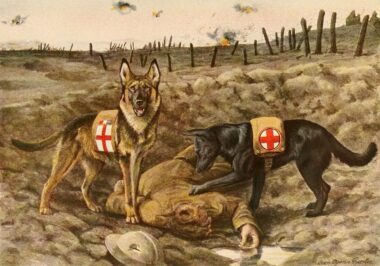

Training Your Dog for Emergency Situations
Emergency situations can occur without warning, making it essential for dog owners to prepare adequately. Training your dog in these scenarios can save lives. Start by teaching your pooch basic commands like “sit,” “stay,” and “come,” which provide a foundation for more advanced training. Begin the process in a calm environment, using positive reinforcement such as treats and praise. Consistency is key; schedule regular training sessions to reinforce these commands. Gradually introduce distractions to simulate real-life situations where your dog will need to focus and obey commands. In addition to command training, consider introducing your dog to a crate. It becomes an essential tool during an emergency, providing comfort in an unfamiliar or chaotic environment. You can familiarize your dog with the crate slowly through positive experience, ensuring it feels like a safe space. Additionally, engage in socialization activities with your pet, exposing them to various environments and people. This exposure helps reduce anxiety during stressful situations. Always remember to reward your dog for good behavior, maintaining a strong bond while ensuring they understand how to behave in emergencies.
Ensure your dog is comfortable with traveling. Emergency preparedness often involves transporting your pet, whether for evacuation or medical care. Begin by taking short car trips to help your dog acclimate to the vehicle. Use a properly fitted harness or pet seatbelt to keep your dog safe during transport. Consider using calming aids, like anxiety wraps or pheromone sprays, to ease your pet’s nerves in stressful situations. Your dog should also be accustomed to wearing a muzzle, as it can be useful during emergencies, especially in unfamiliar environments. Acclimatize your dog to a muzzle in a non-threatening manner, starting with short periods and offering treats for compliance. Building a first aid kit for your dog is equally crucial. Equip it with essentials like bandages, antiseptic wipes, and a list of emergency contacts. Familiarize yourself with administering basic first aid to your dog by taking a class or researching reliable sources online. In addition, ensure your dog’s collar contains identification tags that include your contact information. This little precaution can make a significant difference if you and your pets get separated during a crisis.
Creating an Emergency Plan
Every dog owner must create a detailed emergency preparedness plan. Your plan should outline necessary steps during different types of emergencies, such as natural disasters or unforeseen accidents. Identify a safe location for your dog outside your home, including pet-friendly evacuation centers. Share this plan with family members, ensuring everyone understands their roles during an emergency. Have a designated spot for pet supplies like food, water, and beneficial medications to maintain your dog’s comfort throughout the emergency. Regularly review and update your plan, practicing evacuation drills with your dog to familiarize them with the process. Maintain an up-to-date pet profile containing medical records, vaccination history, and potential behavioral issues. Keep this information handy in your emergency kit, providing quick access if needed. Include a photograph of your dog to help identify them easily if separated. Don’t forget to factor in your dog’s temperament when creating the plan; some dogs may require additional comfort during crises. Ensure your dog is familiar with the transport crate, allowing a seamless transition when you evacuate. A thorough, well-implemented emergency plan enhances safety and minimizes stress for you and your canine companion.
Scan your home for potential hazards that could affect your dog during an emergency. Secure cords, keep dangerous chemicals out of reach, and remove items that could create obstacles during evacuation. Designate a safe space where your dog can relax when worried or stressed. Consider using calming music to help soothe your dog when feeling anxious. Understand your dog’s body language to identify signs of stress or panic. If your pet displays signs of distress, offer comfort and assurance, which can help them feel more secure. You might consider enrolling your dog in training classes focused on emergency response. These classes teach handlers how to interact positively with their canines during stress. Furthermore, developing a routine can provide dogs with a sense of stability. Regular feeding schedules, consistent exercise, and playtime can help your dog stay calm amidst chaos. Even if you must evacuate, keeping familiar toys and blankets available can comfort your dog in unfamiliar settings. Additionally, ensure that your dog remains socialized with people and other pets, which can help reduce anxiety during emergencies. Be attentive, patient and adaptive in your approach to emergencies with your pet.
Know Your Dog’s Health Needs
Understanding your dog’s unique health needs can significantly improve emergency preparedness. Ensure your dog is up-to-date on vaccinations and has regular check-ups with your veterinarian. If your dog requires medication, have a sufficient supply stored in your emergency kit, along with the necessary dosage instructions. Check expiration dates regularly to ensure everything remains effective and safe for your dog. Be aware of signs of stress your dog may experience and have strategies in place to help them cope. Consider whether your dog has any allergies or sensitivities that could complicate emergency situations. If your dog is reactive to strangers or unfamiliar environments, it’s crucial to factor these traits into your plan. Training your dog to respond to cues when stressed can mitigate some of these reactions. Avoid overcrowded places during emergencies and try to remain calm, as dogs can sense their owners’ anxiety. If your dog has specific dietary needs, customize your emergency food supply accordingly. Keep high-value treats handy to reward your dog for remaining calm and compliant when facing challenging situations.
Incorporating practice drills into your training routine ensures your dog remains familiar with emergency preparedness. Schedule regular drills simulating various emergency scenarios, such as evacuating the house or transitioning to a new environment. Include family members during these drills so everyone knows how to react and assist your dog when necessary. Reinforce commands throughout the practice sessions, emphasizing their importance during emergencies. Ensure your dog can reliably follow commands even under stress. During these drills, assess your dog’s comfort levels and adjust training methods accordingly. Some dogs may require additional time to adapt to these exercises, so be patient. Evaluate the success of each drill and determine what areas need more attention. If your dog appears fearful or anxious during training, take a step back, implementing training techniques at a slower pace. Consider using distractions, like engaging toys or calm music, to make the drills more enjoyable. The ultimate goal is ensuring your dog perceives emergencies as manageable rather than overwhelming. Consistent practice fosters confidence in both you and your dog, equipping you to handle crises effectively and calmly.
Continuous Learning
Continuously educating yourself about canine behavior and emergency preparedness is vital for effective training. Participate in workshops or read books on dog behavior to enhance your knowledge. Join online communities where you can share experiences and learn from other dog owners. Additionally, seek out local training classes that focus on emergency response or behavior modification. It’s essential to stay updated on the best practices, as new resources are continuously emerging. Consider consulting with a professional trainer for personalized guidance on your dog’s specific needs. Understanding your dog’s instincts and behavioral tendencies can improve your training approach. When dealing with emergencies, how your dog reacts often depends on prior training and learned behavior. Embed regular training sessions in your routine, focusing on various aspects of emergency preparedness. Also, observe how well your dog responds to previously established commands in different environments—consistency matters. Revisit training as your dog ages, adapting techniques to suit their evolving capabilities. Always prioritize patience and encouragement, rewarding progression, no matter how small. Being proactive can greatly enhance your and your dog’s ability to navigate challenging situations.
Stay proactive by assessing your dog’s progress regularly. Keep track of your dog’s responses to commands and comfort levels in various scenarios, adjusting your training strategy as necessary. Stage your home environment similarly to emergency conditions and observe how your dog reacts. Document each practice session, noting behaviors, successes, and areas of improvement. This structured approach can help inform your methods moving forward. Ensure that good communication exists between you and your dog. Building trust and understanding is essential, especially in high-pressure situations. Regularly spend quality time with your pet outside of training sessions, reinforcing your bond. Engaging in play or casual strolls helps alleviate stress and strengthens your relationship. Each interaction is an opportunity to improve communication. Aim to create positive associations with emergencies, reinforcing good behavior through rewards. This methodology develops confidence and assures your dog is well-prepared for any situation that may arise. Ultimately, consistency, patience, and love will ensure that your dog is equipped to handle emergencies, reducing stress for both of you. The better prepared you both are, the more resilient you will be when facing challenges in the future.