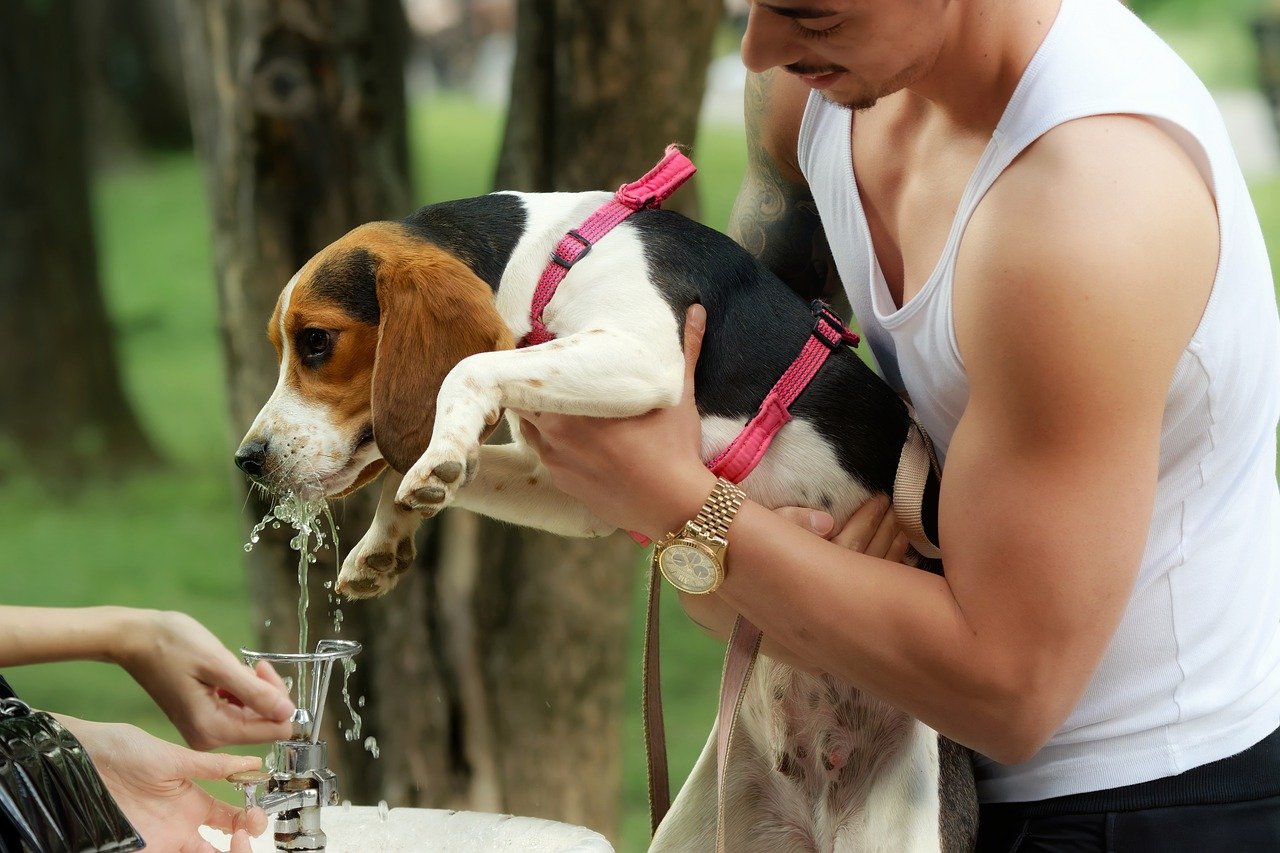

Using Supplements to Enhance Hydration in Senior Dogs
As our canine companions age, their hydration needs evolve significantly. Senior dogs often face health challenges that may impact their ability to drink sufficient water. This is why supplementing their hydration can be a crucial aspect of maintaining their health and well-being. Various supplements are available to support senior dogs, featuring electrolytes, omega fatty acids, and herbal blends that can enhance their water intake. These supplements can make hydration more palatable for dogs, encouraging them to drink more. Additionally, they may help in addressing certain health concerns such as kidney function and joint mobility, which decline with age. Hydrolyzed proteins are another option to consider. They can aid in absorption and retention of fluids, ensuring that your dog doesn’t suffer from dehydration. The key is to consult with your veterinarian to create a personalized plan that includes appropriate supplements. This will ensure you address your dog’s specific needs while maintaining their overall health. Remember, hydration is essential for every dog, especially for seniors who may struggle more with fluid intake.
It is essential to monitor your senior dog’s hydration closely. Dogs often have less of an instinct to drink as they age, which can make them susceptible to dehydration. Observing changes in behavior, such as lethargy or decreased appetite, can alert you to hydration issues. You can also check their skin elasticity, which is a good indicator of hydration. Gently pinching the skin at the back of their neck and observing whether it returns to normal quickly can help assess their hydration status. Implementing fresh water daily and providing moisture-rich foods can also supplement their hydration. Foods like wet dog food, fruits, and vegetables can significantly increase their fluid intake. Additionally, flavored water, such as broth from low-sodium chicken or beef, can entice your dog to drink more. You can serve this broth as a treat or mix it in with their meals. Keeping fresh water available at all times is paramount, as it encourages regular drinking. Providing accessible water bowls that are easy for them to reach can lead to better hydration habits in senior dogs.
Choosing the Right Supplements
Choosing the right supplements for hydration enhancement is pivotal. Not all products are the same, and some might not cater to the specific needs of senior dogs. Begin by researching reputable brands that formulate supplements specifically for senior dogs. Avoid any supplements that contain artificial colors, fillers, or unnecessary additives, as these can cause more harm than good. It’s beneficial to look for supplements that have undergone rigorous testing and received recommendations from veterinarians. Reviewing the ingredient list can also provide insight into the quality of the product. Look for essential components, such as vitamins and minerals that support hydration, and amino acids that aid in fluid balance. You can consult your veterinarian about the proper dosage and administration methods for these supplements. It may take time for your dog to adjust to a new supplement, so introducing it gradually allows their system to adapt. Monitoring your dog’s reaction to the supplement will ensure that it positively impacts their hydration and respect their dietary preferences.
Regular check-ups with your veterinarian can help in choosing hydration-supportive supplements. Keep an open line of communication about your dog’s health and preferences. Your vet can also recommend additional strategies that may prove beneficial. This may include specific dietary adjustments or additional aids that can enhance hydration. Always be patient when making dietary transitions or introducing supplements, as it may take time for your dog to adapt. Consider the form of supplements best suited for your dog’s preferences; some may prefer liquids while others gravitate towards chewable treats. When combined with a grain-free diet or low-fat foods, these supplements can provide hydration while promoting overall wellness. Also, educate yourself about the signs of dehydration in pets. Early detection is key to preventing serious health repercussions. If you find your senior dog persists in drinking less water despite supplementation, it may indicate an underlying health issue. In such cases, prompt veterinary intervention is necessary. Maintaining your dog’s hydration should always be a priority in your care routine.
Additional Tips for Hydration
In addition to supplements, there are several practical strategies for enhancing hydration in senior dogs. For starters, always ensure that fresh water is available in multiple locations around your home. Sometimes, older dogs can benefit from larger bowls or elevated water dishes that reduce strain on their joints when they bend down. Offering a variety of drinking vessels, such as ceramic, stainless steel, or glass, can also keep their drinking experience enjoyable. Be mindful of their drinking environment; dogs may avoid water if it’s near their food or if they’re stressed. Additionally, try adding ice cubes to their bowl, as many dogs enjoy the tactile sensation and chilly taste. Freezing broth into ice treats can distract them while promoting hydration. Another method to encourage water consumption is through games. You can have your dog perform basic commands for a reward of water from a fun bottle or a sipper. By making drinking a fun activity, you can motivate them to consume sufficient fluids throughout the day.
Lastly, be attentive to any changes in your dog’s drinking habits. An increase or decrease in water intake can be a sign of health problems, especially in senior dogs. Regular monitoring can help catch these changes early on. Behavioral changes, such as lethargy or fewer bathroom breaks, are also essential signals. Keeping track of your dog’s weight and dietary intake can provide valuable insights into how well they’re maintaining hydration. Regular vet check-ups are indispensable for catching health issues. As their caregiver, ensure that you ask about hydration needs during these visits, as your veterinarian may suggest altering your senior dog’s diet or supplement regimen based on their observations. Maintain a proactive approach in assessing your dog’s hydration levels. Implementing a hydration plan tailored to their needs will enhance their quality of life and longevity. With the right hydration strategies, you can help ensure your senior dog remains happy and healthy, enjoying their golden years with energy and comfort.
The Importance of Education
Educating yourself and your family about the hydration needs of senior dogs is crucial. Understanding their changing requirements can lead to better health management. Spend some time researching credible sources that focus on canine nutrition and hydration. Engaging with communities of fellow pet owners can also provide support and additional insights into practical strategies. Online forums or social media groups dedicated to senior dog care can be enlightening. Additionally, attending local workshops or vet seminars can empower you with knowledge about supplement choices and hydration aids. Knowledge is especially important when recognizing signs of dehydration or health decline, so stay informed about the typical behaviors of senior dogs. Furthermore, consider keeping a log of your dog’s daily water consumption. This will help you identify any patterns and potential issues quickly. Engage your children in your dog care practices, instilling understanding and responsibility of hydration needs. The more aware everyone is of the specific needs of senior dogs, the better equipped you will all be to provide a nurturing environment that prioritizes hydration and overall health.
Ultimately, a multi-faceted approach toward hydration in senior dogs will yield the best results. Supplements can enhance their fluid intake, while attention to their dietary needs reinforces overall health. It’s important to view each component—diet, supplementation, and family education—as interconnected aspects of your dog’s well-being. Regularly engage with your vet regarding any concerns that may arise and incorporate their recommendations into your care routines. Moreover, being proactive with hydration strategies can have long-term health benefits for your dog. Ensuring that they drink enough fluids not only enhances their physical health but also boosts their immune system, making them less vulnerable to illness as they age. Therefore, take the time to tailor hydration methods to suit your senior dog’s specific circumstances. Maintaining an open dialogue with your vet and seeking guidance will keep you informed on how to promote their hydration effectively. Keep in mind that improvement may be gradual, and consistency in your efforts is critical in fostering a positive outcome. As you implement these strategies, your dog will likely benefit significantly, leading to a happy and satisfying life.