
Behavioral Changes in Dogs Experiencing Discomfort or Pain
Dogs frequently exhibit behavioral changes when experiencing discomfort or pain. This is primarily due to the instinctual nature of dogs to protect themselves. Pain can manifest in various ways, including changes in appetite, isolation, and aggression. Owners must understand these signs as they might indicate underlying health issues. Aggressive behavior may be a dog’s response to protect themselves from further discomfort. It’s essential to monitor any changes in your pet’s behavior closely. If a normally social dog starts avoiding interactions, it might be feeling pain that makes it seek solitude. Similarly, a dog that was once playful may become lethargic after experiencing an injury or illness. Recognizing these changes is crucial in addressing the problem early. Pain can also cause irritability, making the dog more sensitive to stimuli. Understanding the context and triggers behind aggressive reactions helps owners mitigate risks during these phases. Immediate veterinary assistance is essential if you notice these warning signs in your dog. Taking proactive measures can lead to healthier, happier, and more stable behavior in your furry friend.
Common triggers for aggression due to pain or discomfort include injury, illness, and even aging. Pets may be less tolerant than usual, so it’s vital to be cautious when handling a potentially hurting dog. An injured dog may bite or growl when touched, even by those they love. Additionally, certain medical conditions can lead to changes in temperament. For instance, arthritis and other joint issues can create significant discomfort, fostering irritability. Long-term pain, if left unaddressed, can profoundly impact a dog’s behavior, leading to destructive tendencies or withdrawal. In some cases, dogs may even show aggression towards other animals or people, as they may feel threatened. It’s important to assess any behavioral modifications and consult a veterinarian for an accurate diagnosis. Treatments aimed at alleviating discomfort, such as pain management or physical therapy, can restore a dog’s well-being. Additionally, providing a safe space for a hurting dog to relax can ease tension and reduce aggression. Ultimately, owners must prioritize their pet’s comfort to minimize aggressive responses linked to pain.
Identifying Signs of Pain in Your Dog
Recognizing signs of pain in dogs is critical for timely intervention. Dogs may express discomfort through vocalizations like whining or growling. Additionally, pay attention to their body language; a dog in pain might exhibit signs such as tail tucking, flattened ears, or stiff movements. When assessing their daily behavior, look for changes in their normal routines, including eating and toilet habits. Some dogs may refuse food, while others may show unusual aggression when approached during mealtime. It’s important to keep track of these changes since they indicate distress. Observing your dog’s response during activities like walking or playing can offer significant insights into their condition. Dogs usually will compensate in their movements when in pain, often avoiding sudden movements or favoring an injured leg. Daily observation is key to understanding these signs, as some dogs tend to hide their pain. Owners should create an environment where their dogs feel secure and comfortable. Regular health check-ups can help in early pain detection, which is beneficial for long-term well-being.
Once aggression due to pain is identified, it is essential to take steps to address both the underlying issue and the behavioral response. Veterinary intervention is the first priority to diagnose the cause of aggression or pain. Depending on the diagnosis, treatments may include medications like anti-inflammatories or pain relievers. In some cases, physical therapy may also be beneficial, helping to improve mobility and reduce pain levels. Additionally, it’s important to understand that the dog’s environment plays a crucial role in how they cope with pain. Creating a safe, quiet refuge for the dog to rest can significantly decrease their anxiety levels. Using positive reinforcement tactics can also help reshape unwanted behaviors related to aggression. Training sessions should be supervised carefully, and excessive excitation should be avoided. Be patient with your dog during this recovery phase, and communicate gradually their issues before and after treatment to their health provider. Each dog’s journey to recovery is different. Consistent affection and proper care support emotional stability for the dog.
Managing Aggression During Pain Episodes
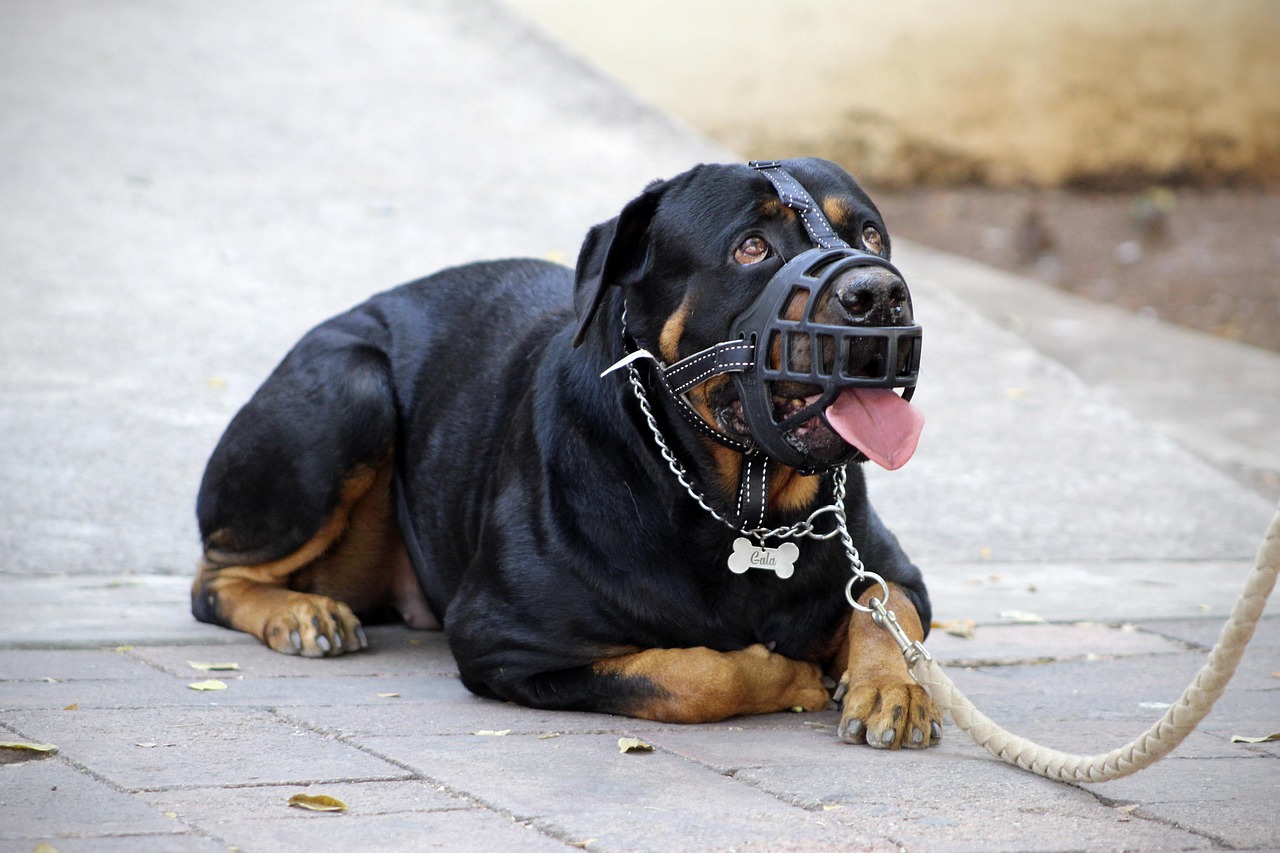
When a dog is experiencing pain and exhibits aggression, it’s crucial to manage the situation effectively. Owners should avoid direct confrontations with aggressive behaviors since it might escalate to biting or further aggression. Instead, remain calm and create distance from the dog, allowing them space to feel secure. Ensuring their space is free of stressors can help in reducing overall anxiety and aggression levels. Reinforcing calm behaviors with positive rewards can redirect their focus away from pain-induced aggression. Avoiding physical punishment is imperative, as this can increase fear and anxiety. Instead, employ gentle emotional support combined with proper communication. Soft voices and gentle movements can reassure an agitated dog. In extreme cases, a muzzle might be necessary to ensure safety for everyone during handling. However, use it as a temporary solution until the source of pain is addressed. Introducing therapeutic techniques such as massage can also help manage discomfort. Developing a close relationship with your veterinarian allows for ongoing discussions, necessary changes in your management routine, and helps ensure the best care for your dog.
Preventing pain-induced aggression begins with proactive care. Regular veterinary check-ups are vital for early detection of conditions that may cause discomfort, such as dental issues or joint diseases. Consistent, preventive measures can reduce the likelihood of aggressive responses to pain. Additionally, maintaining a healthy lifestyle with appropriate exercise and nutrition can significantly impact overall well-being. Providing mental stimulation through activities or toys can also keep dogs engaged, alleviating possible stress. It’s essential to observe environmental triggers that may exacerbate pain or discomfort; keep a journal of changes in behavior and potential stressors. This information can be invaluable during vet visits. Situational awareness enables preemptive actions to help ensure their surroundings remain stable and comfortable. Training your dog to acclimate to various situations can minimize hesitance or aggression when confronted with unfamiliar scenarios. Socialization with other dogs and people at a young age can promote positive interactions later in life. Taking these steps not only benefits your dog’s physical health, but also enhances their overall demeanor, creating a safer and happier pet for everybody.
Long-Term Strategies for Comfort and Security
Ensuring long-term comfort for dogs with pain-induced aggression requires ongoing attention and care. Consider speaking to a veterinary behaviorist if behavior persists, as specialized knowledge can provide insights into managing ongoing issues. Behavioral training tailored to pain-sensitive dogs might be essential. Additionally, medication or supplements aimed at joint health or cognitive well-being can improve quality of life. Promoting a secure environment helps dogs feel less threatened, subsequently curbing aggressive tendencies. Activities that encourage physical activity but avoid exacerbating pain, such as controlled walking, can also help. Closed interactive play, especially with no significant jumps, can reduce discomfort. Moreover, fostering routine is critical; dogs thrive in structured environments that instill predictability. Safety at home is another concern; ensuring that their living space is free of hazards can prevent further injuries. Regular assessments of their mood and behavior can highlight changes that may require prompt attention. Creating an emotional bond based on trust will be the foundation for navigating through their important journey toward recovery and stability.
In summary, behavioral changes in dogs experiencing pain or discomfort can significantly influence their emotional and physical health. Understanding these changes is essential for dog owners to ensure their pets receive the proper care they need. Identifying signs of pain and addressing aggression can prevent further suffering. Seeking prompt veterinary advice helps in determining the underlying causes and appropriate therapies. Employing strategies to manage aggression during episodes of pain enhances the pet-owner relationship and ensures safety. Consistent preventive care and environmental management promote long-term health and minimize pain-driven aggression. Lastly, patience and training play critical roles in helping dogs cope with their struggles. Building a supportive environment enriches their quality of life while allowing owners to foster a bond based on mutual respect and understanding. By prioritizing both physical comfort and emotional support, dogs can lead enriched, fulfilling lives free from fear of aggression and pain.