
How to Spot Urinary Blood in Dogs and What to Do
As a responsible dog owner, it’s essential to monitor your furry friend’s health, especially regarding urinary health. If you suspect your dog may have blood in their urine, recognizing the symptoms is crucial. The first step is observation. Check for changes in urination habits, such as increased frequency, straining to urinate, or obvious discomfort. Next, be on alert for any signs of blood in the urine, which can range from a light pink hue to more noticeable bright red. It’s also wise to observe if your dog is licking their genital area or showing signs of distress, which could indicate urinary tract issues. In some cases, blood may not be visible but can still suggest underlying problems, so be vigilant. Additionally, monitor for other symptoms such as excessive thirst, vomiting, or lethargy. Early detection can significantly improve your dog’s prognosis, making prompt attention vital. If you notice any these signs, consult your veterinarian immediately for a professional diagnosis and appropriate care.
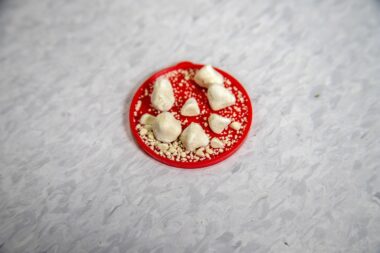
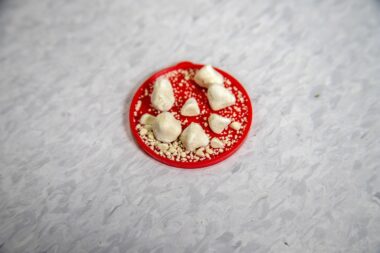
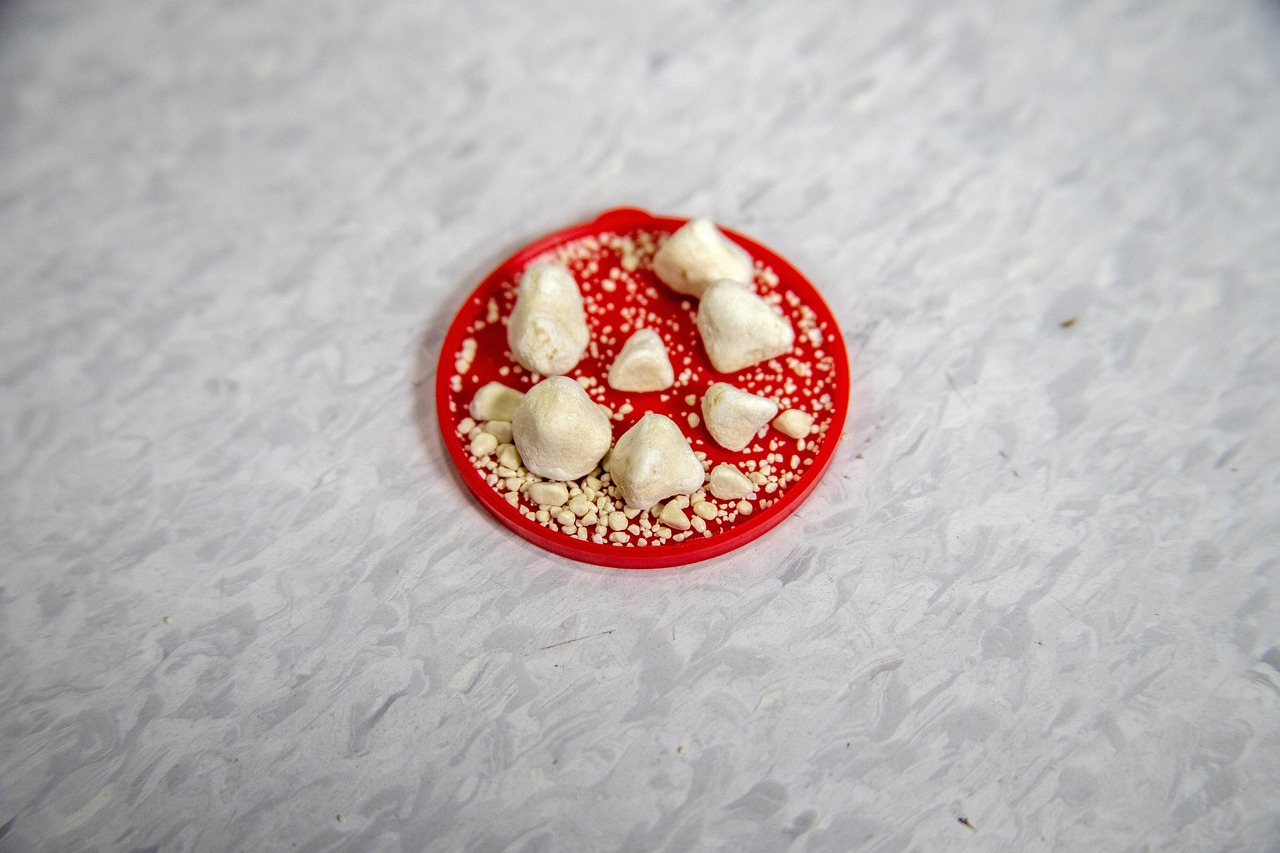
Veterinarians can diagnose the issue through various methods like urinalysis, ultrasounds, and blood tests. These assessments help identify the root cause of bloods in urine. Some common causes include urinary tract infections (UTIs), bladder stones, tumors, or injuries. UTIs are prevalent in dogs, especially females, and can be easily treated. However, bladder stones may require surgical intervention due to their severity. Keep in mind that some conditions can lead to significant complications if left untreated. Therefore, comprehensive testing is crucial. A urinalysis evaluates the urine for bacteria, crystals, or abnormal cells and provides valuable information to your vet. Moreover, blood tests can help determine your dog’s overall kidney function and ensure other organs remain healthy. Early diagnosis ensures that your dog receives the necessary treatment that may include antibiotics for infections or surgery for more severe conditions. Your veterinarian will formulate a tailored health plan based on the specific diagnosis and your dog’s health needs. Remember that preventive care and regular check-ups reduce the likelihood of such issues occurring.
What to Expect During the Vet Visit
When you take your dog for a veterinary visit, expect a thorough examination. The veterinarian will ask you a series of questions regarding your dog’s symptoms, dietary habits, and any changes in behavior. This information is crucial for the assessment. After gathering necessary details, the vet will conduct a physical examination, checking your dog’s abdomen for tenderness or unusual masses. Following the physical check, your veterinarian may recommend additional tests to confirm the underlying issue. A urinalysis provides a comprehensive overview of your dog’s urinary health and helps identify any bacteria, crystals, or other anomalies in the urine. If bladder stones are suspected, imaging tests like X-rays or ultrasounds will help visualize their presence. It’s common to feel anxious during this process, but remaining calm will help your dog feel more at ease. Once the tests are complete, discuss the results with your vet and ask questions to clarify any details. A well-informed owner can follow the proper treatment course and ensure the dog receives the best care possible.
After the diagnosis is confirmed, your vet will discuss various treatment options available. Treatment plans depend on the underlying cause of the blood in the urine. For instance, if a urinary tract infection is identified, antibiotics are usually prescribed for a course lasting between five to fourteen days. Be sure to administer the full course of antibiotics as directed, even if your dog’s symptoms improve before finishing the medication. Conversely, if the cause is bladder stones, your vet may recommend dietary changes or even surgery to remove them. Ensuring that your pet stays hydrated is vital to urinary health, as it flushes toxins and prevents stones from forming. Additional treatments may also involve pain management, anti-inflammatory medications, and specialized urinary diets. Your veterinarian can recommend the best course of action based on your dog’s specific condition. Following your vet’s advice closely will ensure that your furry friend recovers effectively and maintains a healthy urinary system going forward. Be sure to schedule follow-up appointments to monitor progress and make any necessary adjustments to the treatment plan.
Prevention and Ongoing Care
Preventive care plays a significant role in maintaining your dog’s urinary health. Regular vet check-ups help catch any potential issues early, allowing for timely intervention. Furthermore, providing plenty of fresh water can prevent dehydration and urinary tract complications. Encouraging regular bathroom breaks, particularly during active times, supports healthy habits and keeps the urinary system functioning correctly. Additionally, consider a balanced diet rich in nutrients and low in fillers. Foods designed for urinary health promote bladder function and may help prevent the formation of stones. Always consult your vet for the best dietary recommendations tailored for your dog’s specific needs. Routine exercise is essential, as excess weight can lead to urinary problems. Be committed to your dog’s overall well-being by ensuring mental and physical stimulation to reduce stress. Finally, if your dog has previously experienced urinary issues, maintaining an open line of communication with your veterinarian can help form an effective long-term management plan. Being proactive about your dog’s urinary health can decrease risks and contribute to their overall happiness.
It’s essential to understand what constitutes a normal urinary pattern for your dog. Depending on size, age, and breed, frequency can vary widely. Generally speaking, adult dogs should urinate about three to five times per day. Puppies, however, may urinate more frequently due to their smaller bladders. Keep a close eye on fluctuations within this pattern, as any changes can signify underlying health concerns requiring further examination. If you’ve noticed an increased frequency of urination, this could suggest a urinary tract infection or diabetes. Conversely, a decrease in urination could signal dehydration or kidney issues. Document any changes to share with your veterinarian, as this information will aid in their assessment. Lastly, be attentive to your dog’s behavior after urination. Any signs of discomfort, excessive licking, or straining should prompt immediate veterinary attention. While some urinary issues may seem minor, it’s always best to err on the side of caution when it comes to your beloved pet’s health. Remember, early detection and intervention can considerably improve treatment outcomes and quality of life.
Conclusion
In conclusion, awareness of urinary health and prompt action are crucial for your dog’s well-being. As a pet parent, it’s vital to monitor your furry friend for unusual behaviors or symptoms that may indicate urinary issues. Knowledge of the signs of blood in urine, such as color changes, straining, or additional discomfort, empowers you to act quickly. Regular vet check-ups, proper hydration, and a healthy diet play substantial roles in maintaining urinary health. Consult with your veterinarian about any concerns or unusual patterns in urination, as they will provide crucial insights tailored to your dog’s specific needs. After all, understanding your dog’s normal pattern, behaviors, and preventive measures can lead to better health outcomes. Should any troubling signs present themselves, don’t hesitate. Seek veterinary assistance right away to help prevent further complications, ensuring your furry companion leads a comfortable and healthy life. By remaining observant and engaged in your dog’s well-being, you’ll establish a loving rapport while ensuring they receive the care they deserve.
Ultimately, providing your dog with the love, attention, and medical care they need will promote a happy and healthy life. Equip yourself with knowledge about your dog’s urinary health, which enables you to recognize signs and symptoms that may require veterinary intervention. Ensure you foster a proactive approach towards your dog’s health through regular vet visits and appropriate dietary measures. Urinary health cannot be neglected, as it may lead to significant complications or decreased quality of life. Be active in your dog’s care plan and maintain communication with your veterinarian as necessary. Each dog’s health journey is unique, and personalized care will make a difference. By implementing these practices, you’ll not only safeguard your dog’s urinary health but also enhance their overall well-being. Foster a loving environment and establish healthy habits that fortify their resilience against urinary issues. Never underestimate the importance of your role as a caregiver in promoting a long and healthy life for your cherished four-legged friend.