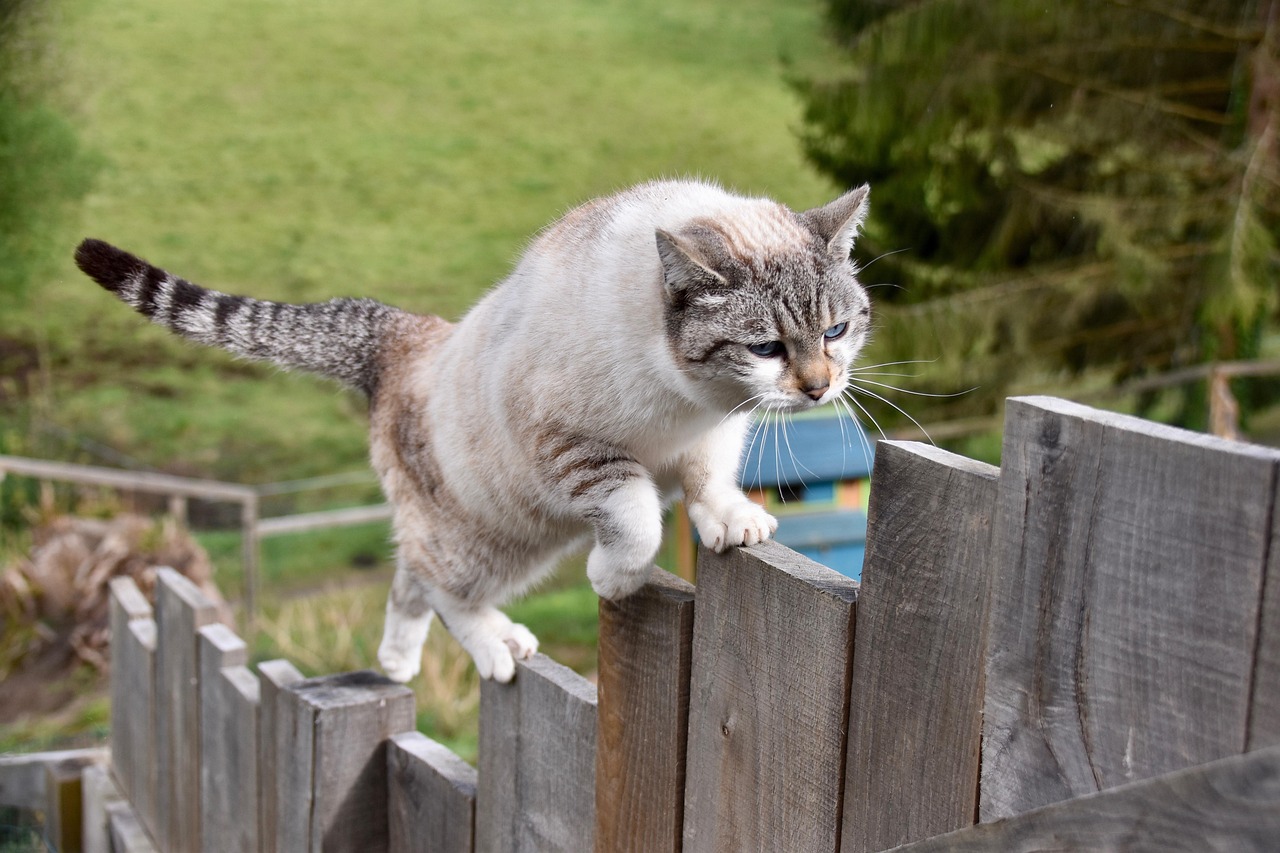

How to Train Your Cat for Agility Competitions
Training your cat for agility competitions is an exciting endeavor that can strengthen your bond with your feline friend. To begin, understanding your cat’s personality is crucial. Some cats are more playful, while others might be shy. Begin your training in a calm environment with few distractions, allowing your cat to become accustomed to the training routine. Introduce basic commands using positive reinforcement techniques; treats can be very effective. Gradually incorporate equipment like tunnels and jumps, making each session enjoyable. Start with simple tasks, like encouraging your cat to walk through a tunnel, and as they learn, increase the complexity of the activities. Consistency is key in establishing a successful training routine. Cats thrive on routine, so regular training sessions will help your cat learn faster. Keeping sessions short—about 10 to 15 minutes—ensures your cat stays focused and engaged. Patience is essential, as every cat learns at its own pace. Monitor their progress and celebrate small successes to maintain motivation. Soon, you’ll see your cat performing amazing tricks and agility moves with confidence!
Choosing the Right Equipment
Selecting the best agility equipment for your cat will significantly impact their training success. Common agility gear includes tunnels, jumps, weave poles, and ramps. Ensure that the equipment is appropriately sized for your cat so they can maneuver comfortably. For beginners, a lightweight tunnel is an excellent choice as cats are naturally curious and enjoy exploring narrow spaces. You can create jumps using simple household items or purchase official equipment designed for cats. Weave poles can help improve your cat’s agility and precision. Make sure the materials are safe, non-toxic, and sturdy enough to withstand wear and tear. Setting up a mini agility course in your backyard or a spacious room allows for better practice and evaluation. Remember to introduce one piece of equipment at a time to avoid overwhelming your cat. As they grow more confident, you can gradually combine multiple elements into a more complex course. Regularly assess their comfortability with each piece, adjusting the setup as needed. Additionally, maintaining a fun atmosphere will encourage your cat to engage and enjoy the training sessions!
Motivating your cat to participate actively in training is vital for developing agility skills. Using positive reinforcement, such as treats or praise, reinforces your cat’s willingness to engage with the agility equipment. Choosing high-value treats can enhance motivation during training sessions. You may discover that your cat is more responsive to certain snacks over others. Establish a clear reward system where you immediately reward your cat after they perform a desired action, such as jumping through a hoop or completing an obstacle. Incorporating play into the training process can also be highly effective. Use toys or wands to guide your cat through new tricks and engage them in playful behaviors as part of the training. Mix up the rewards to keep things exciting. Vary your session structure by introducing games and creative challenges. It’s essential to be patient and to avoid showing frustration if your cat does not understand a command right away. Consistent encouragement and understanding will create a more conducive environment for learning and strengthen the bond between you and your furry companion!
Building Confidence in Your Cat
Confidence plays a vital role in a cat’s ability to perform agility tasks successfully. Many cats may feel apprehensive when trying unfamiliar challenges. To build their confidence, start by gradually introducing them to new equipment. Allow your cat to explore and sniff each piece before attempting to use it. Creating a safe and inviting space is essential for your cat’s comfort. Incorporate familiar scents or toys in the training area to create a sense of security. Positive interactions and experiences will help reinforce their confidence levels. Celebrate every achievement, big or small, with encouragement and rewards. If your cat seems hesitant, backtrack to previously mastered tasks and ensure that they feel comfortable with simpler activities. Maintaining a relaxed demeanor will further reassure your cat. Avoid forceful encouragement as it can lead to negative associations with training equipment. Use every opportunity to practice and improve their agility. Remember that building confidence takes time, and recognizing their progress contributes significantly to their willingness to trust you during intense training sessions!
Throughout your cat’s agility training, observing body language is crucial. Understanding how cats communicate can help you gauge their stress and comfort levels. Signs of excitement, such as purring or playful swatting, indicate your cat is engaged and enthusiastic about training. Conversely, watch for signs of anxiety, including dilated pupils, flattened ears, and attempts to escape the training area. If you notice these signals, it might be time to slow down and instill a sense of calm. Take breaks during training to let your cat process the information and recharge. Intermittent play or simply petting them can soothe nerves. Maintaining a positive learning environment is essential for effective training. During moments of uncertainty, redirect focus back to familiar tasks where your cat feels comfortable. This helps reinforce confidence and promotes learning. Motivational songs or soft background music can also reduce anxiety during practice. Remember that agility training should ultimately strengthen the bond between you and your cat, so prioritize their emotional well-being throughout the process. Every cat has its unique rhythm of learning; patience will cultivate enjoyment in agility training!
Competing in Agility Events
Once your cat finds joy in agility training, you might consider participating in competitions to showcase their skills. Observe local events to familiarize yourself with rules and expectations. Research various competition formats, such as timed runs or point-based systems, to prepare adequately. Choose a competition that matches your cat’s ability and experience level, ensuring a positive experience. Register in advance, and be prepared for a busy and potentially overwhelming environment, as competitions can be lively and noisy. It’s essential to bring your cat’s favorite toys and treats to help keep their stress levels in check. On the day of the competition, ensure your cat is well-rested and fed. Arrive early to allow them time to acclimate to the surroundings. During your performance, channel your training efforts into guiding your cat with confidence and positivity. Keep a joyful attitude, which will reflect in your cat’s demeanor. Post-competition, celebrate with your feline friend, regardless of results. The experience itself can strengthen your bond and reinforce their skills, making every event worthwhile!
In conclusion, training your cat for agility competitions can be an incredibly rewarding experience for both of you. Establishing a consistent routine, selecting appropriate equipment, and motivating your cat with high-value treats are essential components in achieving success. Building your cat’s confidence will lead to a more enjoyable training experience and better performance in competitive settings. Remember always to observe their body language and prioritize their emotional well-being throughout the process. Competing in agility events serves as an exciting opportunity to showcase your hard work and dedication. By preparing adequately and fostering a supportive environment, you can create positive experiences that enhance your cat’s agility and performance. No matter the outcome, the time spent together will undoubtedly strengthen your bond and produce lasting memories. Keep refining your techniques, and always aim to make agility training a fun journey. Reinforce learning through positive reinforcement and show gratitude for your cat’s effort, nurturing their enjoyment in the activity. With love and patience, training your cat for agility competitions can lead to amazing achievements and joyful moments.