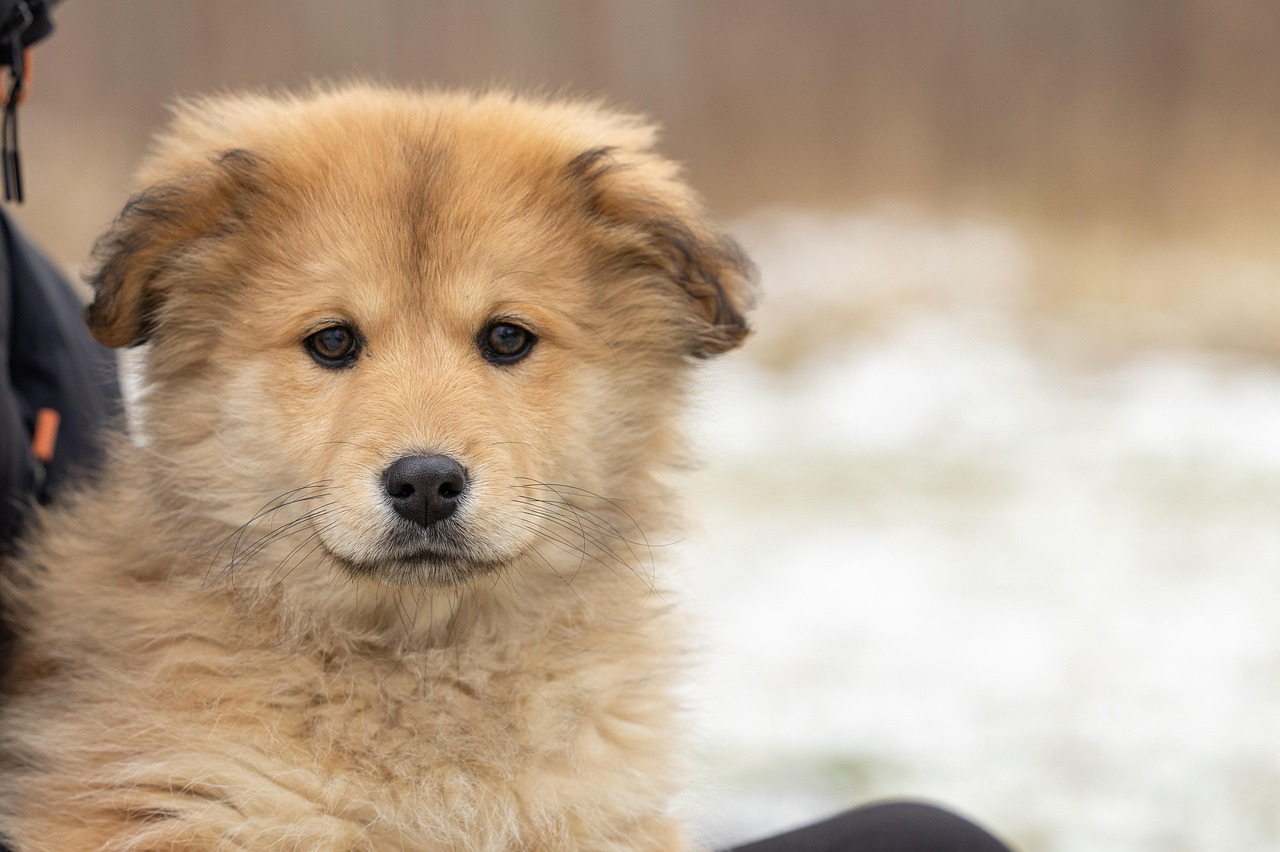

Preparing Your Home for a Dog Fresh Out of Quarantine
Bringing a new dog into your home requires careful preparation, especially if the dog has just come from a quarantine period. This transition can be stressful for both the dog and the owner. First, identify a safe space within your home where the new dog can feel secure. Often, creating a specific area—like a cozy corner with a bed and toys—can help establish that safe haven. Next, ensure that this space is free of hazards that could harm your new pet. That includes keeping cords, small objects, and hazardous materials out of reach. When welcoming the dog, use a calm and gentle voice to avoid overwhelming them. It’s vital to provide the dog with the tools they need, such as food and water bowls, and durable toys suitable for their age and size. Establish boundaries in your home clearly, guiding the dog on where they are allowed to go. Encourage exploration gradually to allow acclimatization. Finally, consider taking the opportunity to create a routine that includes exercise and downtime to help in adjusting to their new environment.
Before your new dog arrives, it’s essential to finalize some transportation and quarantine requirements to facilitate a seamless transition. Confirm with your rescue or adoption agency about any necessary documentation that verifies the dog’s health status. Besides, it’s vital to obtain a health certificate indicating that the dog is free from contagious diseases. When learning about transportation criteria, particularly if you have adopted from a different state or country, be aware of any state regulations concerning pet ownership. This will likely guide you in ensuring that your new furry friend is transported safely by checking airline or road transport policies, especially as some pets can be anxious during travel. Ensure your vehicle is ready for this journey, with a secure crate, proper ventilation, and availability of water. It’s also wise to pack a few familiar items such as blankets or toys, which could help ease the transition to your home once you arrive. Additionally, having a plan for introducing the dog to your local environment such as account for veterinarians, pet stores, or parks during your dog’s first few weeks is essential.
Dog Proofing Your Home
Dog proofing your home is a critical step for ensuring the safety and well-being of your new pet. Start with basic, movement-oriented assessment of your living areas, identifying potential dangers or unwanted temptations. For example, secure heavy furniture to prevent tipping and remove any items that dogs might chew on or swallow, including strings, plastic wrappers, or batteries. Keeping cleaning supplies in locked cabinets is a must, as many household cleaners can be toxic if ingested. Consider utilizing baby gates to restrict access to certain rooms, especially as the dog learns the layout of your home. It’s also useful to dedicate specific areas for food and sleeping, fostering a sense of belonging and routine for your new companion. If your dog shows signs of anxiety or curiosity, a crate can act as a safe space when you aren’t able to supervise. Furthermore, designate outside areas for walks or play. Remember to provide enrichment options such as chewing toys to help deter the desire to chew on inappropriate items. Being vigilant in these early days will create home security and comfort for both you and your furry friend.
Once you prepare your home for a new dog, think about its living arrangements after coming from quarantine. Design a zone where your new pet can eat without distractions from activity in the house. A predictable feeding schedule can be beneficial, so dogs understand when they will get meals. It’s also advisable to choose high-quality pet food suitable for the dog’s age and breed, ensuring its health needs are met. If your dog is transitioning from a previous diet, consider gradually mixing in their new food to avoid gastrointestinal upset. Create a place for water bowls that is easily accessible, keeping them filled with fresh water throughout the day. Keeping the food area clean is the key to attracting your dog’s want to stay around. After eating, ensure you clean up promptly to avoid attracting pests. As your new dog settles, handling any food aggression is crucial—use structured meal times to manage sharing space during feeding properly. Finally, integrating meal times into your daily routine also encourages bonding and can help the dog feel more secure in their new environment.
Introducing Your New Dog to Family Members
The process of introducing your new dog to family members requires patience and strategy to ensure a smooth integration into your family unit. Start by allowing the dog to meet one family member at a time, preferably someone who is calm and relaxed around dogs. This gradual approach helps prevent overwhelming the dog, especially if they are still adjusting from quarantine. After this, allow family members to engage with the new dog through gentle petting and offering treats. Always supervise these interactions to prevent unforeseen stress or accidents. Incorporate positive reinforcement to assure both your dog and your family members that these encounters are safe and enjoyable. It can also be beneficial to establish rules about interaction levels, helping children understand the importance of respecting the dog’s space. Consider reading helpful books or attending training sessions together focusing on establishing a good relationship before introducing group activities. Understanding your dog’s body language during interactions is critical; signs of stress or discomfort should be addressed immediately. With time and careful monitoring, your dog should feel comfortable around every family member.
After successfully introducing your new dog and family members, creating a consistent routine is essential for your new dog’s development post-quarantine. Establish daily schedules for feeding, walks, training, and playtime to provide security. Following a consistent routine not only helps manage expectations but also reduces anxiety for the dog. Dogs thrive in environments where they can anticipate interactions, helping them adapt to new surroundings. For example, try to take morning and evening walks at the same time each day. Incorporate positive reinforcement during training sessions to create a deeper bond. As the dog adjusts, this bond will support the training process that develops good behaviors and discourages negative ones. During the first few weeks, also focus on quiet time each day, allowing the dog to rest and recharge, especially during this adjustment period. Assess their behaviors regularly and adapt schedules as needed to maintain a positive and adaptable environment. In this manner, your dog will become more comfortable and confident, making it easier for them to settle into their new role as a family member.
Maintaining an Open Line of Communication with the Veterinarian
A crucial step in preparing for your dog’s arrival includes establishing communication with a veterinarian shortly after adoption. Schedule a wellness checkup to ensure your dog is healthy and to set a vaccination schedule. Most adopted dogs may require vaccinations to protect against common diseases, and a checkup can provide insight into their overall health post-quarantine. The veterinarian can also recommend preventive care tailored specifically for your dog. Discuss any behavioral concerns and diet adjustments, ensuring that you maintain open dialogue about all aspects of the dog’s health. Establishing this relationship can help you navigate any issues that may arise in their transition. Moreover, maintaining a wellbeing journal to track behaviors, eating habits, or any signs of illness can be beneficial. This practice not only aids your vet in diagnosing potential issues but also provides clarity on behavioral trends over time. Prepare to discuss any necessary adjustments to routines or training while being receptive to your veterinarian’s recommendations, ensuring your new pet receives optimal health care every step of the way.
Finally, keep in mind that patience and understanding are crucial as your new dog adapts to their forever home following quarantine. Every dog adjusts differently based on their prior experiences and temperament. Be prepared for a range of behaviors, as some may be shy or hesitant initially. Providing encouragement while allowing them to take their time can foster confidence. Maintain an ongoing positive reinforcement approach during training and any behavioral modifications, helping your pet learn acceptable behaviors. Monitoring their reactions to different situations will allow you to gauge when to introduce new experiences or environments. Engage in plenty of interactive play and bonding moments through gentle activities creating a lasting connection. Offering socialization opportunities, such as playdates or walks with other pets once the dog is more comfortable, will help the dog learn valuable social skills. Encouraging positive associations with new environments ensures comfort and builds trust, ultimately enhancing your relationship. Finally, by following the preceding preparation strategies and offering ample love, your new dog will be well on their way to becoming a cherished member of your family.