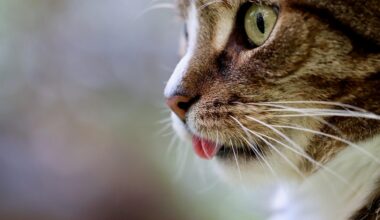

Stress and Its Influence on Weight Gain in Cats
Understanding the relationship between stress and weight gain in cats is critical for any pet owner. Stress can manifest in various ways in our feline friends, influencing not just their behavior but also their physical health. Obesity in cats is a growing concern, with studies revealing that many cats are overweight due to environmental factors. One significant aspect is how stress affects a cat’s metabolism. When stressed, a cat may experience hormonal changes that increase appetite while simultaneously slowing down metabolism. These physiological shifts create a cycle that leads to weight gain. Furthermore, changes in a cat’s routine, such as moving to a new home or the introduction of a new pet, can lead to elevated stress levels. Stress can also affect a cat’s overall health, contributing to other health issues. Recognizing stressors specific to your cat can help in managing their weight. Owners should create a calm environment, ensuring their cats have safe spaces. Identifying these stressors is the first step toward ensuring a healthier weight for your cat. Consult with a veterinarian for personalized weight management plans that address stress.
Identifying Stressors in Your Cat’s Environment
Identifying what stresses your cat is essential in managing its weight effectively. Common stressors can include loud noises, unfamiliar people, and changes in household routines. Cats are creatures of habit and tend to feel secure when their environment remains consistent. Here are some common stress factors to consider:
- Changes in the home environment
- Introduction of new pets
- Changes in schedule or routine
- Loud noises such as thunderstorms or fireworks
When cats experience these stressors, they may resort to overeating as a coping mechanism. Owners will often notice changes in their cat’s behavior, such as hiding or increased aggression. A stressed cat might also exhibit signs of anxiety, leading to more caloric intake. It’s essential to observe these behaviors and take action. Providing safe spaces within the home can help alleviate stress. Additionally, incorporating regular playtime and mental stimulation can keep your cat engaged and reduce anxiety. Addressing these stressors is key to helping your cat achieve and maintain a healthy weight. Never hesitate to seek professional recommendations for your cat’s emotional well-being.
Nutrition also plays a pivotal role in managing a cat’s weight during stress. Feeding your cat a balanced diet that is appropriate for their age and any health issues is crucial. Cats can gain weight when stressed, but not all feline foods are conducive to weight control. High-calorie treats may lead to further weight gain. Instead, opt for healthier alternatives. Look for cat foods with appropriate balance of protein and fatty acids. Factors influencing a cat’s nutrition include:
- Caloric density of food
- Nutritional quality
- Component ratios
- Treat frequency
Monitoring portion sizes is essential. Regularly scheduled feeding times rather than leaving food out can also help manage their weight. A stable routine helps reduce anxiety and promotes a more predictable feeding pattern. Additionally, low-calorie treats in moderation can be beneficial. Transitioning to a feline weight management plan with the help of a veterinarian can further ensure your cat’s nutritional needs are met. Proper nutrition significantly impacts your cat’s overall health amid stressful situations, transitioning them back to a healthier weight.
Exercise and Weight Management
Exercise is vital in managing obesity in cats, especially for those experiencing stress. While cats may show decreased activity levels when stressed, encouraging gentle exercise is important. Interactive play can stimulate a stressed cat both physically and mentally. Dedicating time each day to engage your cat in play helps reduce stress and burn off calories. Consider these activities to promote exercise:
- Feather wands and string toys
- Laser pointers
- Automated toys that mimic prey
Allocating time for interactive play with your cat can strengthen your bond and decrease their anxiety. Additionally, creating vertical spaces using cat trees allows them to climb and explore, encouraging natural behaviors. Regular activity helps maintain a healthy weight and combats stress-induced overeating. To keep your cat healthy, provide a mix of mental and physical stimulation. This combination promotes an active lifestyle and fosters a more positive attitude. Remember that patience is key when encouraging your cat to be more active. Gradually introducing new play methods will create a less stressful environment overall, supporting successful weight management.
Environmental enrichment is another beneficial strategy for managing your cat’s stress levels and weight. By enriching your cat’s habitat, you provide mental and sensory stimulation, making them less prone to stress-induced behaviors. Here’s how you can create an enriching environment:
- Incorporate scratching posts
- Install cat trees for climbing
- Add puzzle feeders for mental engagement
- Provide windows for birdwatching
These enhancements promote natural behaviors. Many cats thrive on variety and exploration, so switching up toys frequently keeps their interest piqued. A stimulating environment reduces boredom and encourages activity, contributing to a healthier lifestyle. Regular exploration helps cats expend energy and recalibrate their focus. Furthermore, engaging your cat in problem-solving activities can enhance its ability to deal with stress. Training sessions that incorporate positive reinforcement can also aid in managing a cat’s stress and weight. Keeping your environment lively and engaging fosters confidence. A confident cat is less likely to succumb to stress and related weight gain. Enrichment strategies would certainly assist in reaching desired weight management goals while ensuring emotional well-being.
The Role of Veterinary Guidance
Consulting with a veterinarian is crucial in managing your cat’s weight, particularly when stress seems to be a contributing factor. A vet can assess your cat’s overall health and help create a personalized weight management plan. They typically evaluate several factors, such as:
- Current weight and history
- Dietary needs
- Existing health issues
Based on these factors, they may recommend specific dietary changes, different food types, or exercise routines. Regular vet check-ups can also help monitor weight loss progress and adjust the plan accordingly. Additionally, stress factors may not be evident, and a vet can assist in identifying any underlying health issues causing stress-related weight gain. Collaboration with veterinary professionals helps ensure weight management approaches are safe and effective. Moreover, they can offer treatment options if behavioral issues are identified, providing comprehensive support. Prompt intervention could prevent long-term health concerns related to obesity. Always keep open communication with your vet to ensure your cat’s healthy lifestyle is maintained consistently. With proper support, your cat can achieve a happier, healthier state.
In conclusion, recognizing the impact of stress on your cat’s weight is pivotal for effective weight management. By identifying stressors, creating a positive environment, and encouraging regular exercise, pet owners can play an active role in their cats’ health. Additionally, nutritional considerations and veterinary guidance cannot be overlooked. Understanding and addressing the unique needs of your feline family member is crucial in overcoming obesity and ensuring their well-being. Stress might seem like an external factor, but its internal implications can lead to significant health risks. Taking a proactive approach can also enhance your bond with your cat, creating a secure, loving space for them. Remember to seek professional advice whenever necessary to tail your strategy for your cat’s weight management. Continuous support leads to a happier and healthier life for your furry friend. The journey may require patience and dedication, but the rewards are definitely worth it as you witness your cat thrive. With your commitment, you can overcome challenges and pave the way to successful weight management, ensuring your cat lives a long, enjoyable life.