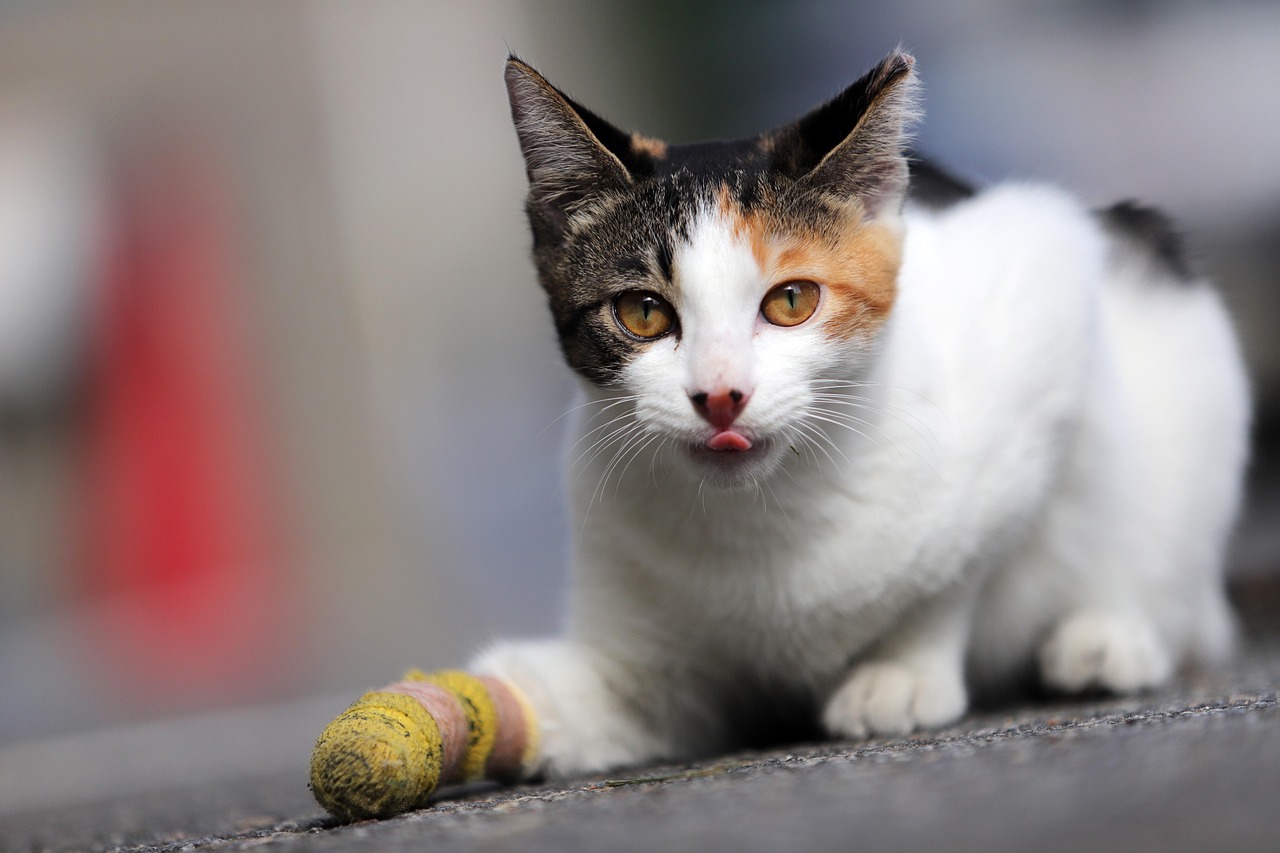

The Future of Cat Injury Coverage in Pet Insurance Industry
The pet insurance industry is evolving rapidly, and cat injury coverage is at the forefront of this change. Cat owners now seek comprehensive insurance to cover unexpected vet bills. This growing awareness reflects a shift toward proactive pet care. Many companies are starting to feature injury coverage prominently in their plans. This includes insurance for common feline injuries, such as fractures or soft tissue injuries. Policies vary significantly, from basic options to complete packages, including holistic therapies. As a result, owning a cat has become less stressful financially. Pet insurance companies are also enhancing their offerings via technology. For instance, the integration of mobile apps for claims submission can simplify the process for owners. This user-friendly approach encourages more cat owners to consider obtaining insurance. Furthermore, educational resources about cat health can empower owners. They can make informed decisions about surgical and non-surgical care options. As insights into risks increase, adapting coverage schemes to meet these needs becomes essential. With the right injury coverage, pet owners can ensure their beloved feline receives the necessary treatment promptly.
Current trends indicate that the demand for specialized pet insurance is likely to grow. Increasing veterinary costs coupled with a greater focus on quality care is driving this trend. Today, more pet owners understand that the health of their cats can be unpredictable. They want financial protection to avoid potentially overwhelming expenses. The future of injury coverage in pet insurance is promising as companies innovate their offerings. Some insurers are reviewing data to create tailored options that account for breed-specific health concerns. Also, successful marketing strategies that highlight injury coverage can influence customer adoption rates. These marketing efforts can educate cat owners on the importance of injury coverage, making them more inclined to purchase a policy. Additionally, there’s a push towards transparent policy terms and conditions, making it easier for consumers to choose appropriate coverage. Transparency is crucial in building trust between insurers and pet owners. Policies can also benefit from being adaptable, allowing them to evolve as veterinary practices advance. This dynamic approach ensures that coverage remains relevant with the latest medical technologies and treatments.
Furthermore, the rising emphasis on preventive care is reshaping how cat injury coverage is perceived. Insurance companies are beginning to recognize that preventive measures can ultimately lead to fewer injuries. For instance, regular check-ups and vaccinations reduce health risks. By incorporating these factors into their pricing models, companies can protect against financial risk. This leads to lower premiums for responsible pet owners. Additionally, pet insurance policies now often include options for alternative treatments. These can range from acupuncture to physiotherapy, reflecting a holistic approach to feline health. By offering more comprehensive care options, these policies cater to a broader range of needs. Another key area of focus is the advancement of telehealth services. Virtual consultations can provide immediate guidance for minor injuries or rapid health issues, saving time and money. As pet owners prioritize convenience and efficiency, telehealth integration is expected to grow within policies. Overall, insurers that respond to these trends effectively will position themselves as leaders in the market. In turn, this responsiveness can significantly enhance customer loyalty and brand reputation.
Market Trends Affecting Cat Insurance
The landscape of cat insurance is continuously being influenced by changing consumer preferences. Increasingly, consumers are comparing products before making choices. They are looking for policies that provide extensive coverage options along with affordability. This comparison culture is significant, as it fosters healthy competition among insurance providers. In response, insurers are tailoring their services to meet the diverse needs of cat owners. Specialized policies that cover accidents, illnesses, and wellness check-ups are becoming more common. This trend is particularly evident among younger pet owners, who often prioritize preventative health care. This demographic tends to lean towards technology-driven solutions, such as apps or online platforms for policy management. Moreover, as pet ownership rises worldwide, the sector’s growth will likely accelerate. Increased commercialization in the pet care sector means higher customer expectations. Transparency and customizability in pet insurance products will play crucial roles in shaping future offerings. By aligning with customer needs, insurers will retain competitiveness in an ever-evolving market. Thus, the ability to innovate and adapt will be vital to a company’s success. Insurance providers must remain attentive to these shifts to seize emerging opportunities.
In light of these developments, the role of customer service is invaluable in the cat insurance sector. A seamless claims experience has become a significant differentiator for companies. Cat owners prefer insurers who offer clear communication and support. Therefore, enhancing customer service capabilities can result in higher customer satisfaction. In addition to traditional support channels, insurers are now providing 24/7 assistance. Online chat and service via mobile apps ensure that owners receive quick resolutions to their inquiries. With the rise of social media, companies are also leveraging these platforms for customer engagement. This can enhance the sense of community among cat owners. Educating the public about common feline incidents and corresponding insurance needs can play a vital role. This awareness can foster trust and prompt more owners to seek injury coverage. It is essential for insurance providers to be transparent regarding exclusions and limitations during the sales process. Such honesty can prevent future disputes and improve overall retention rates. As customer experience continues to evolve, adopting a flexible approach becomes paramount for long-term stability and growth.
Moreover, collaboration between insurers and veterinary practices is key to refining injury coverage for cats. By working alongside veterinarians, insurers can gain insights into the most common types of injuries. This can enable the development of comprehensive risk assessment models. Furthermore, educating vets about policy offerings can encourage them to recommend insurance to clients. Such partnerships have the potential to enhance overall health outcomes for pets. By facilitating a smoother relationship between insurance providers and vets, appropriate medical interventions can be balanced with financial considerations. Additionally, this collaboration can promote a broader understanding of what insurance can cover. A more informed clientele often leads to higher policy uptake rates. As the cat insurance landscape becomes increasingly competitive, successful insurers will need to strategically build alliances. These relationships will not only enhance policy offerings but also contribute to better industry standards. Continuous dialogue among stakeholders is essential to address emerging trends and challenges. The emphasis must be on ensuring that cat injury coverage remains relevant and accessible for all pet owners. Increased collaboration will ultimately lead to better care for the feline population.
Conclusion
In conclusion, the future of cat injury coverage holds significant promise for the pet insurance industry. With increasing awareness among cat owners about the need for protection, there will be greater adoption of comprehensive policies. The insurance landscape is poised to adapt to both technological advancements and consumer preferences. As companies embrace personalized, transparent, and preventive care solutions, they can enhance their market position. Collaborations between stakeholders will ensure that coverage options are well-informed and comprehensive. Additionally, insurers who place emphasis on customer service can gain loyal clientele. As trends evolve, it is vital for the industry to remain agile and forward-thinking. This includes integrating innovative care options and streamlining claims processes. By embracing these changes, insurers will not only meet the current demands but also anticipate future needs of pet owners. Ultimately, a well-rounded approach to cat injury coverage will benefit both insurers and pet owners. As the pet care industry grows, feline health and wellbeing remain at the center of this evolution. Looking ahead, the effective implementation of these strategies will shape the next era of pet insurance.
Understanding the future of cat injury coverage in the pet insurance industry is essential for pet owners and insurers alike. The convergence of evolving tools and communication practices creates opportunities for improvement. As technology advances, the focus on injury coverage can enhance the overall wellbeing of cats. Continuous feedback loops between pet owners and service providers will be critical in shaping policies that meet real-world needs. Overall, staying informed and responsive to these dynamics can help foster a healthier pet insurance ecosystem. This evolution augurs well for the future direction of animal husbandry and responsible pet ownership, ensuring the health and happiness of cats everywhere.