
Avoiding Poisonous Plants: What Every Cat Parent Should Know
As a proud cat parent, ensuring your feline’s safety is paramount. One major aspect of this is being aware of the plants that may pose a risk to your pet’s health. Certain plants are highly toxic to cats, leading to severe reactions and even potential fatality. Common toxic plants include lilies, which are notorious for causing kidney failure in cats, and poinsettias, which can cause gastrointestinal issues. Keeping these plants out of your home is critical. Educating yourself about plant toxicity is a vital step in cat ownership. Not only can it protect your pet, but it can also save you from costly vet bills. Always opt for feline-friendly plants as decorations. Various safe alternatives exist to beautify your living space without endangering your furry friend. Spider plants and cat grass are both safe and accessible options. Ensure that you research thoroughly before purchasing any new plant. If you enjoy gardening, consider growing herbs like basil and parsley, which are safe for cats. Taking these precautions ensures that your home is a safe haven for your beloved cat.
Understanding Plant Toxicity
Understanding which plants are toxic to your cat is crucial for every pet owner. Many plants, especially those common in homes and gardens, can pose risks. Plants often contain compounds that, when ingested, can lead to allergic reactions or poisoning in cats. Among the most dangerous plants are the sago palm and rubber plants. Consume even a small amount of these plants can result in serious health issues for cats. Additionally, some plants might not be immediately toxic but can cause long-term health problems. Ingesting parts of the plant may go unnoticed initially, leading to progressive and serious health issues over time. Researching plant toxicity and symptoms can make a significant difference in ensuring your cat’s wellbeing. Regularly consulting your veterinarian about plant dangers is wise. Furthermore, using online resources and databases dedicated to pet safety can help distinguish safe plants from dangerous ones. Promoting awareness and education among fellow cat owners can prevent many unnecessary tragedies. Don’t hesitate to remove any suspicious plants in your home. Being proactive is essential for every responsible cat parent to guarantee a safe living environment.
Many common household plants often go unnoticed regarding their toxicity to cats. For instance, azaleas and rhododendrons can lead to gastrointestinal upset, while yew and oleander are particularly deadly. If your cat shows signs of distress, it is imperative to seek immediate veterinary attention. Symptoms of poisoning can include vomiting, diarrhea, excessive drooling, and lethargy. If a cat is exposed to a toxic plant, act quickly by contacting your veterinarian. Identifying the plant and assessing the amount ingested will help your vet provide the best treatment options. Having the plant’s details ready can significantly speed up emergency assistance. It is essential to monitor your cat for any changes in behavior, especially after introducing new plants into your home. Even seemingly harmless plants can cause allergic reactions or irritations. Being prepared includes having a pet-safe plant guide on hand. Maintaining an updated list of plants that are cat-friendly will guide your purchases and décor choices. Remember, not all plants labeled as ‘non-toxic’ are truly safe for all cats. Relying on accredited information sources helps ensure you’re making informed choices regarding your pet’s safety.
Cat-Friendly Plant Options
When it comes to decorating your space with plants, several options are both aesthetic and safe for your cat. Some popular pet-friendly plants include catnip, cat grass, and spider plants, which are fantastic additions to any home. Catnip can be a stimulating treat for your feline, promoting playfulness and engagement. Similarly, cat grass often aids in digestion and can attract cats to nibble safely. Additionally, incorporating spider plants enhances your home’s beauty while being non-toxic to cats. Another wonderful option is the Boston fern, known for its lush appearance while being safe for pets. By incorporating these plants, you create a vibrant environment without compromising your cat’s health. Make sure to educate guests about your plant choices, explaining their importance to your cat’s safety. Before introducing new plants, ensure that they are from reliable sources and free from chemicals or pesticides that may be harmful. Furthermore, designating specific areas for your cat to explore plants can help them understand boundaries. In doing so, you’ll maintain the beauty of your home while keeping your furry friend secure and healthy.
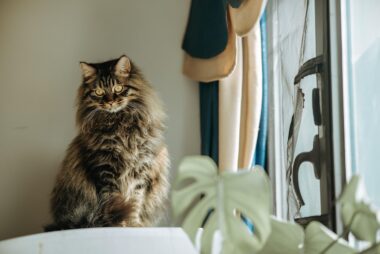
It’s essential to keep an eye on the placement of your plants within your home. Cats are naturally curious creatures, often seeking adventure in any corner. Frequently monitor their access to plants, especially if you own any non-toxic varieties. While these plants may not harm your pet, they could still cause mild digestive discomfort if eaten. Create enclosed areas or use hanging planters to keep plants out of paw’s reach. Educating yourself about each plant’s characteristics can alleviate concerns about your cat’s actions. Use pet-safe deterrents to discourage your cat from exploring dangerous plants. Therefore, creating a safe home environment is not only about choosing the right plants but also managing their accessibility. Use planters strategically in your garden and home, placing toxic varieties out of bounds. Remember to avoid impulse purchases, especially for exotic plants that may not be safe for your cat. Additionally, visiting a local nursery can provide valuable information about plant safety. Ensuring that your choices reflect your cat’s needs will promote a harmonious living environment. Your cat’s safety should always be your primary concern, guiding every decision related to plants.
Signs of Plant Poisoning in Cats
Cats are masters at hiding discomfort and pain, which makes recognizing symptoms of plant poisoning vital. Being observant can be lifesaving. Symptoms may not become apparent until several hours after ingestion, highlighting the importance of immediate action. Early signs of poisoning can manifest as vomiting, diarrhea, or noticeable lethargy. Additionally, excessive drooling or unusual changes in behavior should raise alarms. If you suspect your cat has ingested any part of a poisonous plant, consult with your veterinarian promptly. Take quick action to minimize potential damage and ensure your furry friend gets the necessary treatment. Documenting symptoms and the suspected plant can aid in diagnosing your cat’s condition. Being prepared and having emergency contacts on hand can also significantly speed up treatment times. Ensuring that your cat is up-to-date on vaccinations and routine health check-ups can further protect against potential health issues caused by ingested plants. Your vet will guide the best response to any poisoning situations, from observation to potential hospitalization. Educating yourself about common household plant effects can help prevent tragedies in the future.
In summary, as a cat parent, being aware of the plants within your home is crucial. Ensuring safety includes recognizing toxic plants and replacing them with alternatives that are non-hazardous. Researching and investing time in finding pet-safe plants means creating a cozy living space that caters to your cat’s needs. Being a responsible pet owner also entails regularly discussing concerns with your veterinarian, educating yourself on new plant varieties that may enter your home, and staying vigilant about your cat’s behavior. Gardens or houseplants should always be tailored to prioritize your furry friend’s well-being. Introduce plants thoughtfully and monitor your cat’s interactions with them. By following these guidelines, every cat parent can significantly enhance their home’s safety for their beloved feline companions. Remember, educating yourself and being proactive protects your cat’s health and the peace of mind you deserve as a pet owner. Maintaining a toxin-free environment should always be your utmost priority. Your cat depends on you for safety, and filling your home with pet-friendly plants is one of the best ways to ensure their well-being.
This post outlines the various considerations regarding plants and cat safety. Please share your thoughts or experiences with toxic plants and your cats!