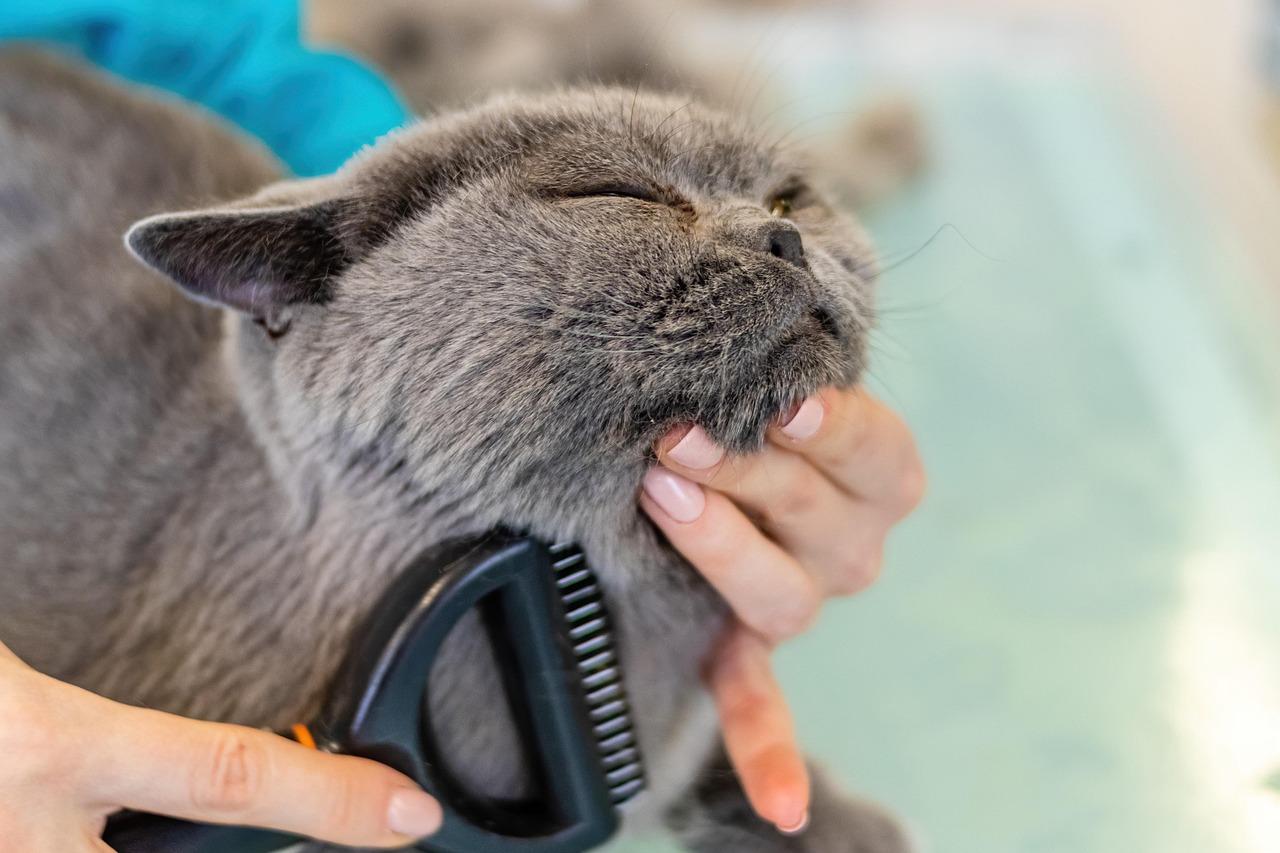

Dealing with Shedding in Senior Cats: Grooming Solutions
As cats grow older, managing their grooming needs becomes increasingly important. Senior cats experience changes in their coats, leading to increased shedding and potential matting. Regular grooming can help prevent these issues, fostering a healthier skin and coat as well. The right grooming routine becomes crucial as senior cats may not groom themselves as effectively. By understanding why shedding occurs in older cats, caregivers can take actionable steps to alleviate this concern. Factors such as decreased activity levels, hormonal changes, and medical conditions can contribute to an increase in shedding. Educating yourself on these factors is essential to provide appropriate care. Additionally, creating a comfortable grooming environment is crucial. A calm space can encourage your cat to relax during grooming sessions, making the process more effective. Consider using specialized grooming tools designed for older cats to accommodate their unique needs. Understanding their comfort level is critical, as some may be more sensitive. Consulting with a veterinarian about your cat’s specific shedding issues can guide your grooming process and lead to appropriate care methods.
Essential Grooming Tools
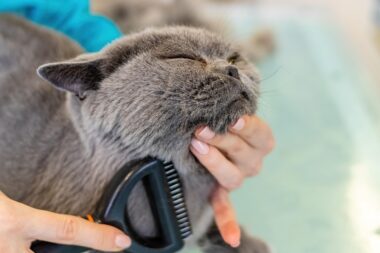
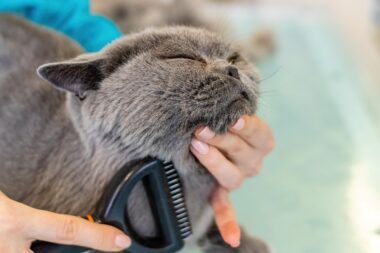
To effectively manage shedding in senior cats, selecting appropriate tools is paramount. Certain grooming tools are specifically designed to tackle shedding and mats while considering the unique needs of older cats. A soft-bristled brush is a great starting point, as it can be gentle on your cat’s skin. It’s recommended to brush your cat at least twice a week, helping to reduce excessive shedding and distribute natural oils throughout their coat. Additionally, consider using a rubber grooming mitt, which can provide a more tactile experience for your senior cat. Many cats enjoy the gentle massage these mitts provide, encouraging them to tolerate grooming sessions. For severe shedding issues, a de-shedding tool designed for pets can help remove loose fur effectively. These tools grab the undercoat without causing discomfort to your older feline friend. Remember to invest in quality tools that will last, as they can make the grooming process smoother for you and your cat. Always observe your cat’s reaction to different tools, adjusting your approach accordingly for the best results.
Bathing can also be a part of your senior cat’s grooming routine, especially if they are prone to matting or have skin issues. However, baths should be less frequent; it’s essential to know when a bath is necessary. If your senior cat has become less mobile, they may require assistance during bathing. Employ a gentle shampoo specifically designed for cats to avoid skin irritation. After bathing, ensure that your cat is thoroughly dried, as wet fur can lead to chilling and discomfort. Keep in mind that while grooming can help manage shedding, it is important not to stress your cat. Take breaks during grooming sessions, allowing them to relax before continuing. Consider using treats to reward positive behavior, reinforcing a positive association with grooming. Regular check-ups with the veterinarian can also enhance your understanding of your cat’s grooming needs. They may offer insights into diet changes or supplements to help maintain a healthy coat, which can reduce shedding. By complementing grooming with proper veterinary guidance, you can improve your senior cat’s overall grooming experience.
Understanding Skin Health
Skin health plays a vital role in how well shedding is managed. As cats age, their skin can become thinner and less elastic, leading to an increased likelihood of shedding. Therefore, it is crucial to pay attention to your cat’s skin health when developing a grooming routine. Providing a balanced diet rich in omega-3 fatty acids can improve skin health significantly. These nutrients support skin elasticity and overall coat condition, helping to reduce shedding. Ask your veterinarian for specific recommendations regarding diet changes or supplements to aid skin health. Additionally, regularly checking for any signs of skin irritation or allergies during grooming sessions can lead to early identification of potential issues. If you notice unexplained bald patches or excessive flaking, a veterinarian’s visit is advisable. These symptoms can indicate underlying health concerns that need addressing. Furthermore, environmental factors can contribute to skin problems in older cats. Maintaining a clean living environment free from allergens and irritants can help promote healthy skin. Avoid exposing your cat to harsh chemicals in cleaning products to maintain a comfortable and safe space.
Senior cats are often less tolerant of grooming because their physical abilities decline, requiring patience and gentle techniques. Establishing a routine can help your senior cat adapt to combing and brushing. Use a calm, soothing voice during grooming sessions to minimize stress and anxiety. Short sessions can keep your cat comfortable and more willing to accept grooming, which reduces shedding. If necessary, consider enlisting the help of a professional groomer experienced with senior cats who can handle their unique needs. They will have trained techniques to ensure your cat’s comfort and safety, leading to effective grooming and management of shedding. Moreover, getting a second opinion or learning new techniques can also benefit both you and your cat’s grooming journey. Frequent grooming can also allow you to monitor your cat’s health, helping you notice any changes in weight, skin, or overall condition. The bond strengthened through these routines can enhance your relationship, reinforcing trust and security. Ensure you keep your grooming tools sanitized to avoid spreading any infections, giving your senior cat peace of mind during grooming sessions.
Creating the Right Environment
Creating a cozy grooming environment can make a significant difference in your senior cat’s experience. Cats are sensitive to their surroundings, so it’s essential to provide a comfortable, stress-free space for grooming. A warm, quiet room with soft lighting can help your cat feel more secure, making them more receptive to grooming. Choosing the right spot is crucial, as some areas may be too noisy or bustling. Ensure you have all necessary grooming tools within reach to avoid leaving your cat unattended. Use a non-slip mat to keep your cat secure during grooming. If your cat appears anxious, take a moment to reassure them through gentle petting or treats. Always watch your cat’s body language; if they seem overwhelmed, pause or take a break. Establishing a routine will help your cat become accustomed to this grooming ritual, ultimately reducing shedding. Keeping the environment clean is also important; ensuring the area is free from hairballs can promote a healthier grooming experience. By maintaining a calming atmosphere, your senior cat will likely enjoy grooming sessions more.
In conclusion, effectively managing shedding in senior cats requires a well-rounded approach. From understanding their specific grooming needs to employing the right tools and techniques, caregivers can support their cat’s health. Monitor your senior cat’s grooming habits closely, adapting your methods to their comfort levels. Regular grooming sessions provide an opportunity for bonding while minimizing shedding. Always communicate with your veterinarian regarding any notable changes in shedding patterns. Their insights can guide you toward making informed decisions related to your cat’s grooming needs. Keep in remember the importance of skin health and proper nutrition to support coat quality. As you embark on this journey of grooming your senior cat, remember to be patient, as these practices promote a healthier and happier pet. Connecting with other pet owners can also provide additional resources and support to enhance your routine. Utilizing online forums or local pet communities can be beneficial in sharing experiences. You can better assist your beloved feline friend in their golden years by gathering shared knowledge and tips. Ultimately, your efforts will contribute to a happier, healthier senior cat.
As your senior cat ages, prioritizing their grooming routine can significantly impact their quality of life. Not only does effective grooming help manage shedding, but it also fosters a deeper bond with your furry companion. Observing how they respond and adapting your techniques will lead to an improved grooming experience. Providing a comfortable environment and responding to your cat’s needs can build trust and make grooming more enjoyable. Take time to explore various grooming techniques and tools that work best for your cat. Understanding the specific grooming challenges faced by senior cats will enhance your relationship with them, helping you cater to their unique needs. Your dedication to their grooming will ultimately reflect in their overall health and happiness.