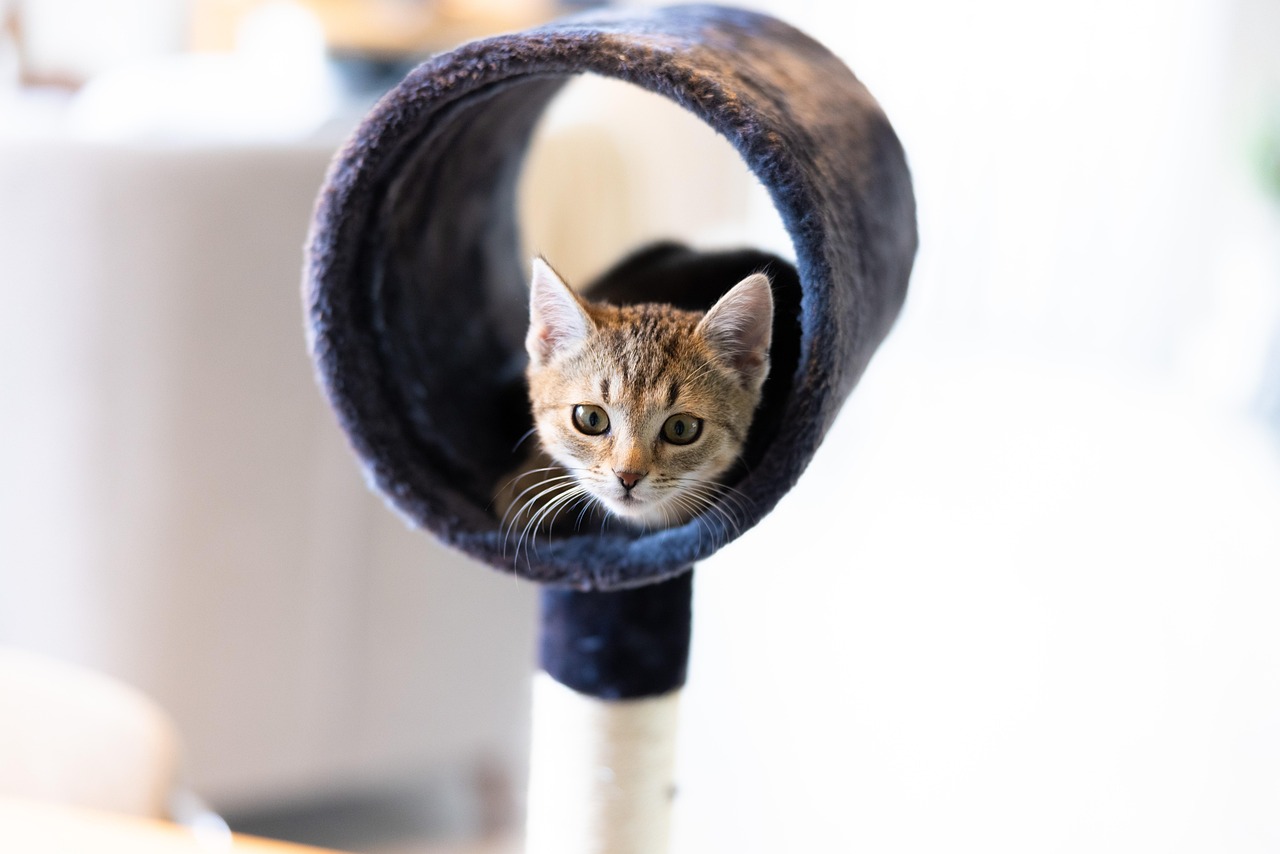

DIY Interactive Cat Toys: Training Tips and Tricks
Engaging your feline friend with interactive toys can significantly enhance their playtime experience while also working wonders for their training. By creating DIY interactive cat toys, cat owners not only save money but also get to customize toys according to their cat’s preferences. You can utilize various materials you have at home, promising endless hours of fun for your kitty. Some excellent options include feather wands made from old sticks or a paper bag filled with crumpled paper for an exciting crinkle effect. The key here is to keep things interesting, encouraging your cat to explore, think, and play. Additionally, you can also incorporate treats within these toys as a training incentive. This not only piques their interest but also rewards them for playing correctly. Developing innovative ways to enhance interactivity in toys will prevent boredom, stimulate their minds, and keep your cat physically fit. The following sections will delve deeper into techniques tailored to train cats using these toys and ensuring a fun, enriching play environment.
Understanding Your Cat’s Behavior
To train your cat successfully using interactive toys, understanding their behavior is crucial. Each cat has a unique personality; hence, it is essential to observe your cat’s habits and interests. Pay close attention to what types of toys attract your cat most. Are they drawn to toys that mimic hunting, like those with movement or noise? Alternatively, do they prefer toys that encourage puzzle-solving or retrieval? Recognizing these preferences allows you to tailor your DIY toys for maximum engagement. You might find that some cats love to swat at things with their paws, while others may enjoy a game of chase. Try observing their interaction with store-bought interactive toys for clues about their preferences. You can replicate successful features within your DIY creations. Incorporating elements that cater to their hunting instincts can lead to better outcomes during playtime and training. To further enhance interaction, incorporate features that appeal to their senses, like colorful designs or varied textures. This helps maintain their focus and keeps their interest peaked.
One of the most effective training techniques involves using toys to bond with your cat. Play can serve as a foundation for learning, as a strong relationship will make your feline friend more responsive. Cats are more inclined to engage when a positive association exists. To initiate bonding, dedicate time to play with your cat using the interactive toys you’ve created. This will foster trust and create a safe environment for them to explore and learn. Consider a routine where you introduce these toys gradually to avoid overwhelming your pet. You can incorporate sessions focused on training them to respond to commands using toys. For example, toss a small ball, encouraging them to fetch it. Each time they respond positively, reward them with praise or a treat to reinforce the training. This approach not only makes learning fun but also strengthens your connection with your pet, ensuring they see you as their playmate and teacher. Your involvement is key to encouraging them to use their toys actively.
Creating DIY Cat Toys
Crafting DIY cat toys can be a fulfilling experience that allows you to control the quality and creativity of what your kitty plays with. Start with simple ideas using household materials such as cardboard boxes, string, and paper. For instance, you could roll up an empty toilet paper roll, fill it with treats, and cut holes to allow your cat to work for their reward. A cardboard box can transform into a playground when you cut holes in it or create tunnels. You can also take an old sweater and fill the arms with catnip to create a delightful puzzle for them. Type and variety are essential when creating these toys; aim for different shapes, colors, and textures to keep your cat engaged. Customizing toys allows you to adjust the level of difficulty as your cat learns and becomes more skilled in using them. Regularly update the toys as your cat develops new interests to maintain their excitement toward playtime and training.
Incorporating interactive elements into your DIY toys is vital for training your cat effectively. Interactive toys are designed to challenge your cat mentally and physically. These activities provide healthy outlets for their energy while honing their natural instincts. For instance, using a mechanical mouse or a feather tied to a string can mimic the thrill of the hunt. You can create a toy that incorporates sound effects or motion to engage your cat fully. How you present the toys matters; hide them around the house or use a play area where they can quickly access them. This encourages exploration and encourages them to engage with the toys. Moreover, time your play sessions to align with their natural activity patterns, typically after meals or during dusk. Understanding these patterns aids you in capturing their attention and boosting the effectiveness of using these toys for training. Remember to replace toys regularly to keep things fresh, helping maintain your cat’s interest.
Establishing a Consistent Training Routine
Establishing a consistent training routine enhances progress and success in training your cat to use interactive toys. Scheduling consistent playtimes helps instill a sense of routine within your cat’s day. Cats thrive on predictability, so if they know they can expect playtime at certain intervals, they will eagerly anticipate these sessions. Ensure that training sessions are short yet productive, ideally not exceeding 10-15 minutes. This prevents frustration and keeps your cat engaged throughout. Integrate specific commands correlated with the toys, such as ‘fetch’ or ‘play’, during these sessions. Consistency in using these commands helps your cat associate the action with the term. Be patient and persistent; every cat learns at their own pace. Incorporate positive reinforcement through treats or affection when your cat responds correctly. Document your progress to identify improvements and areas needing extra attention or different methods. Having a structured training routine allows you to maximize your time while you bond and have fun with your cat. Plus, it builds trust and makes your feline friend feel accomplished.
Monitoring your cat’s progress during their interactive training sessions is crucial for effective learning outcomes. Observation can help identify what techniques and toys resonate best with your cat. Keep track of their achievements, noting any patterns that emerge during play. You may find that specific toys result in faster or more enthusiastic engagement than others. As they grow more adept at using interactive toys, consider introducing new challenges to keep them learning. It’s also wise to adapt training techniques based on their evolving interests and skills. Beware of signs of frustration or disinterest; if you observe these, it’s time to change tactics. Typically, spacing out training sessions can help juggle their attention span and prevent overwhelming them. Be receptive to feedback your cat gives through their actions and behaviors to refine your approach. Celebrate small victories during their sessions to cultivate motivation, showing them that learning and interacting can be highly rewarding. Adjust as necessary and enjoy the journey, as the playtime spent together strengthens your bond.
As you delve deeper into interactive cat toy training, don’t hesitate to explore resources and community advice on this subject. Connecting with other cat owners can provide insights and creative ideas you may not have considered. Online forums, social media groups, or local community events can be invaluable sources of information about DIY craft projects and training techniques. Sharing your experiences can lead to discovering new training tricks, innovative toy designs, and tips for keeping your cat engaged. Always aim to adapt techniques that suit your particular cat’s personality and preferences. Engaging with a community can also ensure you stay motivated and enthusiastic in your DIY endeavors. Understanding trends in cat toys and behavior shifts will enhance your training approach. Furthermore, resources like books and blogs can offer deeper insights into behavioral science regarding cats. Incorporating newfound knowledge can lead to breakthroughs in your training. The effort you invest in crafting dynamic training environments ultimately fosters a strong bond between you and your cat, ensuring they live enriched, playful lives.