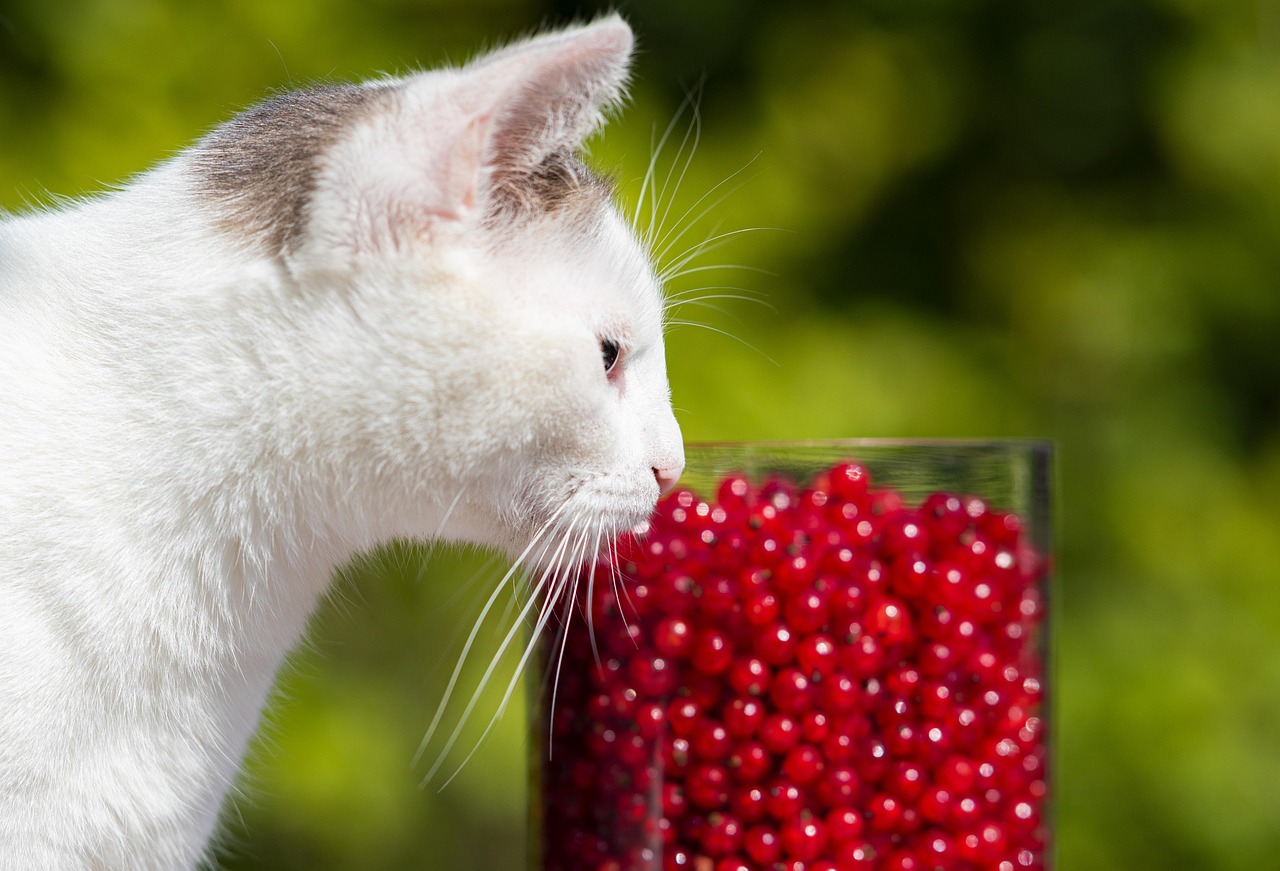

How to Incorporate Vitamin-Rich Foods into Your Cat’s Diet
As a cat owner, ensuring your feline friend receives a balanced, nutritious diet is essential for their overall health. One way to achieve this is by incorporating vitamin-rich foods into their meals. Cats require specific vitamins to maintain a healthy immune system, improve their digestive health, and enhance their skin and coat condition. Foods rich in proteins, fiber, and essential nutrients can fulfill these dietary needs. Opting for high-quality cat food can provide a foundation for a vitamin-enriched diet. Additionally, introducing fresh fruits and vegetables can offer essential vitamins beneficial for your cat.
Vitamin A is crucial for your cat’s vision, growth, and immune function. You can incorporate foods rich in this vitamin, such as liver or fish, into their diet. Another important nutrient is Vitamin D, which can enhance calcium absorption, thus promoting healthy bone growth. Fish like salmon or sardines contain desirable levels of this vitamin. Foods enriched with B vitamins are also vital since they help with energy generation and maintaining a healthy nervous system. Consistently including vitamin-packed foods can drastically improve your cat’s physical health. Always consult with your veterinarian to choose the appropriate foods for your pet.
Understanding Vitamin Supplementation
While a balanced diet can provide many vitamins for your cat, sometimes supplementation might be necessary. Some cats may not be able to absorb certain nutrients efficiently due to health conditions or dietary allergies. In such cases, vitamin supplements can aid in bridging this nutritional gap. Always select a reliable brand that offers cat-specific vitamin supplements. Discuss any vitamin-related supplements with your veterinarian before introducing them to your cat’s diet. They can evaluate if your cat’s specific needs necessitate supplementation, thus guiding you towards the best choices for your pet’s well-being.
Natural treats can be an excellent way to add vitamins to your cat’s diet. Look for organic treats that include wholesome ingredients, as these can be beneficial for overall health. You can also prepare homemade meals that get the vitamins your cat needs. When preparing meals, always do research to ensure the ingredients you’re using are safe for your cat. Some foods might be healthy for humans but can be toxic to pets. Always introduce new foods gradually to monitor any potential adverse reactions. Your cat will appreciate the taste and the health benefits!
The Importance of Hydration
Incorporating vitamin-rich foods is essential, but so is proper hydration for your cat’s health. Cats are known for having low thirst drive, which can lead them to consume less water than they should. Wet food can be beneficial as it not only provides moisture but also delivers essential vitamins. Adding a bit of water to dry food can encourage your cat to drink more. Ensure they always have access to fresh, clean water. Monitoring their water intake is just as necessary as their vitamin intake, promoting overall health and wellness for your cat.
Cats might be picky eaters, making it challenging to maintain a diet rich in vitamins. Introducing new foods gradually can help your cat adapt to changes in their diet. You may also want to experiment with different textures or flavors. For example, some cats may prefer soft foods over hard kibble. You can enhance their meal by adding small amounts of fish oil or coconut oil, as they provide health benefits while also appealing to your cat’s taste buds. Positive reinforcement can encourage them to enjoy these new foods.
Regular Vet Check-Ups
Regular veterinary visits are fundamental in ensuring your cat maintains optimum health. During the check-ups, veterinarians can assess your cat’s nutritional needs and recommend adjustments to their diet. They may also identify deficiencies in vitamins or overall nutrition and provide effective solutions. It’s particularly essential for older cats to have ongoing veterinary oversight regarding their dietary needs. Investing in your cat’s health through routine vet visits can prolong their life while ensuring they receive all the necessary nutrients for a quality life.
Finally, always observe your cat for any signs of nutrient deficiencies. Changes in behavior, appetite, coat condition, or energy levels should not be ignored. If you suspect a vitamin deficiency, consult your veterinarian immediately for advice. They might suggest alternative dietary adjustments or recommend supplements that could help restore balance. Armed with knowledge about vitamin-rich foods and the importance of overall pet nutrition, you can make informed choices for your cat’s diet and well-being, enhancing their longer, healthier life.