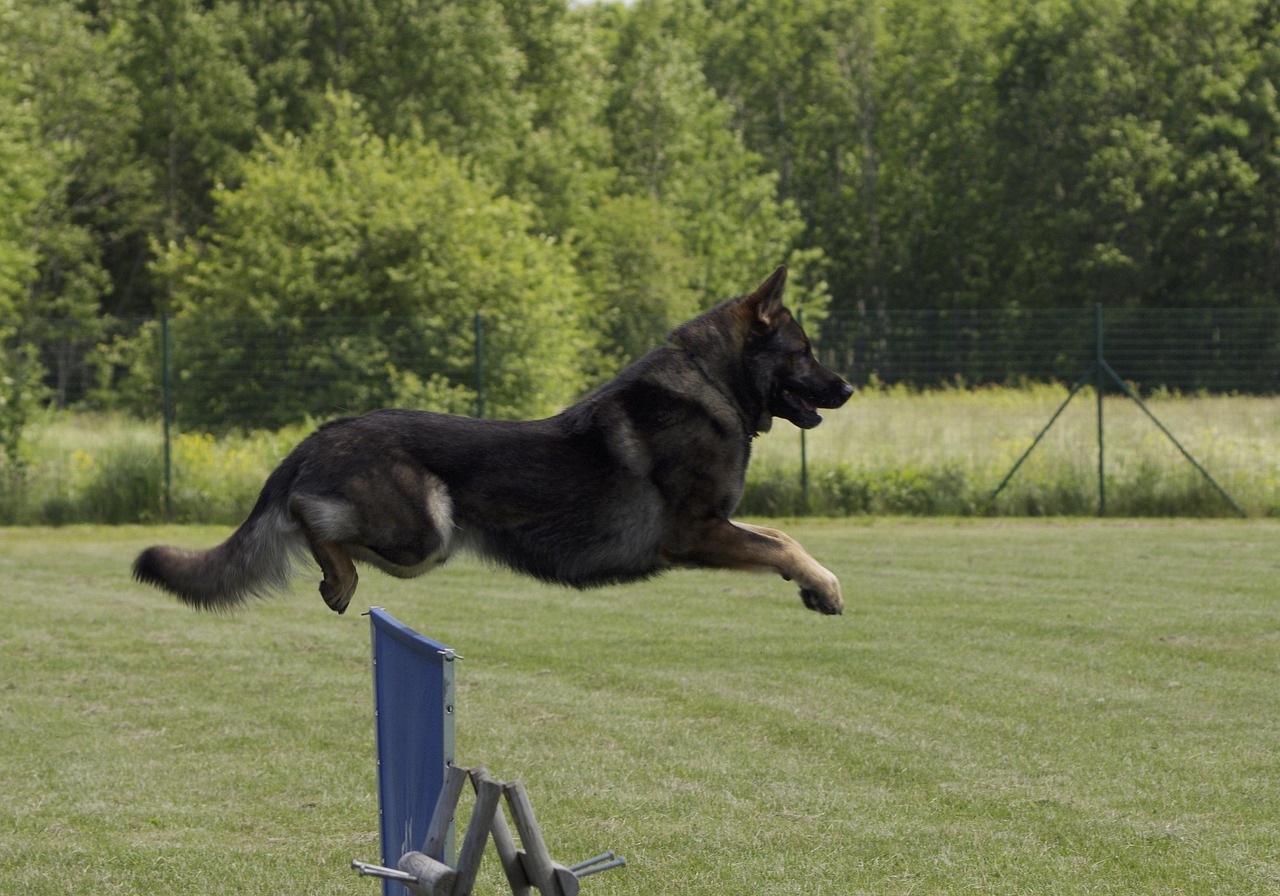

How to Stop Your Dog from Jumping on People
Jumping on people can be a common issue with dogs, often stemming from excitement or a desire for attention. Addressing this behavior is crucial for both social harmony and the safety of your guests. Dogs typically react by jumping as a means of greeting or getting closer to the person they are excited about. However, this can lead to unwanted situations as not everyone appreciates an enthusiastic canine greeting. To curb this, it’s vital to initiate a consistent training regimen. This can include commands such as ‘sit’ or ‘stay’ which should be practiced regularly. Reinforcing positive behaviors, such as sitting calmly when approached by visitors, is critical. Rewarding your dog when they obey these commands will enhance their understanding. Additionally, it is essential to remain calm yourself during training. Dogs can pick up on their owners’ emotions and may become more excitable if they sense frustration or anxiety in their human companions. Patience and persistence are key to making progress when working on this behavioral issue with your furry friend.
To prevent your dog from jumping, it’s vital to understand the context in which this behavior occurs. For example, consider the different scenarios: children, adults, or even other animals might trigger excitement in your dog. Knowing this, you can prepare your dog for encounters with different individuals or groups. Training them to focus on you rather than others helps maintain control. Start by desensitizing your dog to exciting situations. A leash can be invaluable in these exercises, providing you with the ability to redirect their energy. During encounters, encourage your dog to perform alternate behaviors, such as sitting or lying down. These actions help redirect their excitement into more acceptable forms. Consistency is crucial; every time your dog jumps, return to the original command and redirect them. Furthermore, practicing with friends or family members who can assist in this training can provide real-world exposure in a safe environment. Ensure that your dog has the chance to meet new people while still adhering to training protocols. Celebrate small victories, as this will bolster your dog’s learning experience and support building their confidence in social situations.
Implementing the ‘Ignore and Reward’ Technique
Implementing the ‘ignore and reward’ technique is an effective method to curb jumping behaviors. This strategy involves ignoring your dog whenever they jump up on you. Bending down, hugging, or even engaging with them can reinforce that jumping is a way to gain your attention. Instead, wait for your dog to cease jumping and adopt a calmer stance before rewarding them. This practice teaches your dog that calm behavior is rewarded, while frenzied jumping is ignored. It can be helpful to have treats on hand for immediate reinforcement. When your dog has kept all four paws on the floor, reward them with a treat or verbal praise. Doing this consistently will support the dog in making the connection that staying calm results in positive attention. It’s also important to convey this technique across all family members and guests to ensure consistency. Assisting your dog in understanding that jumping is not an effective way to gain love and attention will take time, but gradually, they will begin to associate the lack of response with this behavior. The patience you show today will greatly benefit your relationship with your dog tomorrow.
Training your dog to associate visitors with calm behavior can create a tranquil atmosphere. Practicing this technique can involve pre-emptive training sessions before someone arrives. For instance, every time guests are expected, lead your dog through commands that reinforce calmness. This might include repeating the ‘sit’ command while gradually increasing the level of distractions around. Always keep your dog leashed until they demonstrate the appropriate calmness with your guests. Once the visitors arrive, instruct them to ignore your dog until they sit properly. If they jump, a quiet, calm response followed by turning away is necessary. This teaches your dog that jumping doesn’t reward them. Visitors can help reinforce this behavior by treating your dog with rewards once they exhibit appropriate greeting behavior. Socialization in unstructured environments like these will be instrumental in helping your dog learn what’s acceptable. Gradually increasing the opportunity for social interactions will enhance the learning process. Remember, it’s essential for all participants to remain patient and consistent, as dogs will thrive in structured environments where expectations are clear.
Reinforce Calm Energy with Practice
Regular practice sessions are fundamental in reinforcing the calm behavior you desire from your dog. Designate time for short training exercises to practice sitting, staying, and other commands in various settings. Vary scenarios to ensure your dog learns to respond appropriately regardless of the environment. These practice sessions can be done at home or at a park with friendly visitors who can assist in the training process. Positive reinforcement in diverse contexts not only helps your dog feel more comfortable but also aids in generalizing learned behaviors. When introducing new experiences, keep in mind to maintain control over your dog, especially in crowded situations. Use a leash if necessary and maintain a calm demeanor to foster a sense of security. Over time, engaging calmly with other people will become habitual for your canine companion. As you practice, keep all training enjoyable by ending each session on a positive note. A successful interaction or trick will leave your dog eager for the next session. Remember, the goal is to create a calm mindset that combines relaxation with excitement without losing control.
It’s important to note that avoiding certain triggers can significantly minimize jumping behaviors. For instance, if your dog tends to jump when specific family members or friends arrive, consider managing these situations by instructing guests to enter gradually and calmly. By asking people to make their approach less exciting, you can help diffuse the anticipation that fuels the jumping. Additionally, gradual introductions to new people or environments can soften your dog’s reaction. Going out of your way to control the dynamics of these interactions will pay off in the long run. Likewise, giving your dog enough physical and mental exercise leading up to expected events can help decrease their energy levels. This can involve longer walks, play sessions, or engaging puzzle toys. Dogs that receive sufficient stimulation often exhibit more self-control. It’s equally critical to monitor your own reactions to ensure you promote desirable habits in your dog. Avoid shouting or exhibiting frustration, as it may inadvertently reinforce barking and jumping as a method of gaining your attention. A calm presence will teach your dog that being peaceful brings about positive outcomes.
Conclusion: A Journey Towards Better Behavior
In conclusion, changing your dog’s jumping behavior requires time, patience, and consistent reinforcement. By implementing the strategies mentioned above, you’ll be setting yourself, your dog, and your visitors up for success. Whether you employ the ‘ignore and reward’ method, work on reinforcing calm energy, or gradually introduce your dog to new scenarios, each approach contributes to better behavior over time. It’s also crucial to remember that your dog’s jumping behavior is often linked to their excitement, anxiety, or need for attention. Exploring underlying reasons for this behavior will further enhance your training strategy. Don’t forget to celebrate progress, no matter how small it may seem. Building a strong relationship based on trust and understanding is the ultimate goal in overcoming jumping issues. Encouraging good habits will help foster a more harmonious home where both dogs and humans thrive. Additionally, you can find more valuable resources and tips by exploring related training content tailored to specific breeds or issues, which can be found on various dog training websites. Embrace the journey, and together, you and your dog can learn to navigate social interactions with confidence and grace.