
Preparing Your Kitten for Adoption: Developmental Tips
Bringing a kitten into your home is a joyful yet challenging experience. Understanding the developmental stages of kittens is essential for ensuring their well-being and successful integration into a new environment. Kittens grow through various critical phases from birth to adulthood, and recognizing these stages can help potential adopters provide the right care at the right time. The first few weeks are crucial where eyes and ears open, followed by significant socialization periods. Kittens benefit greatly from interactions with humans and other pets during this time, helping shape their behavior and personality. Potential adopters should know that neglecting socialization could lead to fearfulness or aggression in the future. Developing a strong bond early on is key to their emotional stability. Adopting a kitten means committing to nurturing them through these formative years. Therefore, it’s vital to not only prepare your home but to educate yourself on what to expect. Resources like veterinary advice and books can be invaluable. New owners play a crucial role in their kitten’s early development, influencing behaviors that will last a lifetime, so awareness is fundamental.
Understanding Kitten Development Stages
Kittens typically reach several significant milestones in their early months. At one week, kittens are completely dependent on their mother and require constant care, warmth, and nutrition. By the age of four weeks, they begin to explore their environment, showing curiosity and playful behavior. At this stage, gentle interactions with humans are crucial, as they help kittens build trust and social skills. By eight weeks, kittens should ideally be fully weaned and ready for adoption. This period is essential, as the experiences they have now will influence their attitudes toward humans and other animals. It’s important for adopters to ensure that their kitten is comfortable and feels secure in their new environment. Social play with littermates helps develop motor skills and proper bite inhibition, which can be difficult to learn without other kittens. Furthermore, adopters should be proactive in exposing the kitten to various stimuli, such as different sounds and sights around the house. Each of these developmental stages offers opportunities for growth and learning that can significantly enhance the bond between the kitten and their new family.
Nutrition plays a fundamental role in a kitten’s development, influencing their physical and cognitive abilities. During the early weeks, kittens thrive on their mother’s milk, receiving the essential nutrients necessary for growth. As they transition to weaning, owners should provide high-quality kitten food that is rich in protein, fat, and essential vitamins to support their energy needs and overall health. Usually available as wet or dry options, kitten-specific foods facilitate healthy growth and development. It’s crucial to follow feeding guidelines recommended by the manufacturer and consult with a veterinarian for tailored dietary advice. Regular feeding schedules will also help establish routines and encourage good eating habits. Hydration is equally important; fresh water should be available at all times. Additionally, owners can introduce various textures and flavors to ensure their kitten is not only nourished but also enjoys mealtime. Monitor your kitten’s weight and adjust their portions accordingly to prevent obesity. Nutrition tailored to their developmental stage will significantly impact their growth, coat condition, and vitality during their early life.
Socialization is another critical aspect of preparing a kitten for adoption. Early interaction with various people, pets, and environments can shape a kitten’s personality. Enriching their experiences during the developmental stages fosters confidence and reduces anxiety. After adopting a kitten, owners should gently introduce them to different household sounds and smells gradually. Having friends come over to gently interact with the kitten can enhance their social exposure. Additionally, allowing the kitten to meet friendly and vaccinated pets can help them learn appropriate social behaviors, such as recognizing body language. If possible, aim to create a diverse social circle where the kitten can interact with children, adults, and older or calmer pets to help them feel secure. Ignore aggressive behaviors from littermates during play; this is a normal part of learning boundaries. Ensuring positive experiences will cultivate well-adjusted companions. Moreover, kitten classes can also be an excellent way to expose them to new sights, sounds, and social settings. Remember, socialization doesn’t stop after adoption; it should be an ongoing process to build resilience, trust, and attachment to the family.
Creating a Safe Environment
Before bringing the kitten home, it’s vital to create a safe and welcoming environment. Start by kitten-proofing your home, ensuring all potential hazards are eliminated. Remove toxic plants, secure electric cords, and close off any small spaces where a curious kitten might get stuck. Create a comfortable space with a cozy bed, litter box, and scratch posts. This designated area should be quiet and less hectic, allowing the kitten time to adjust. Use high-quality, non-toxic supplies that are kitten-friendly. Provide various stimulating toys and climbing structures to encourage play and exercise, promoting physical growth and mental stimulation. A secure environment helps your kitten feel safe and protected, crucial during their adjustment phase. Over time, gradually allow your kitten to explore other parts of your home. Keep an eye on their exploration, guiding them back to their safe space if they seem overwhelmed. Encourage positive exploration and reward them with treats and affection, reinforcing their confidence. Having a designated area for food and water, and maintaining cleanliness, will also help create a nurturing home. Regular interaction will solidify your bond and ensure comfort in their new setting.
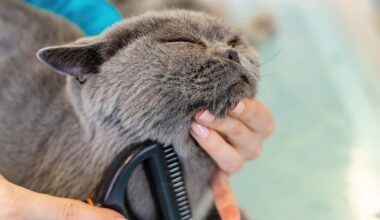
Behavioral training should begin as soon as a kitten enters your home. Implementing basic commands and encouragement can help instill good habits from a young age. Techniques such as positive reinforcement will yield the best results, fostering trust and encouraging open communication. Use treats and praise as rewards for appropriate behaviors, while gently redirecting unwanted behaviors. Patience is key; kittens are learning their place in the world. Focus on essential commands like ‘no’ and ‘come,’ as these will be valuable later on. Training sessions should be short, fun, and frequent, making them feel less like chores. Also, consider exposing your kitten to grooming activities and essential handling. Regular brushing and nail trimming will make these activities routine in their life. Additionally, encourage them to be calm during these moments by offering praise and treats. Avoid negative reinforcement tactics, as they can lead to fear and anxiety. Building a strong foundation for future training will simplify the process of teaching more advanced tricks as your kitten matures. Through positive engagement and consistent training, you create a well-behaved and happy feline companion.
Health Considerations
Health plays a vital role in the development of your kitten. Upon adoption, ensure your kitten receives a health check with a veterinarian to monitor their growth and overall health. Vaccinations are critical for protecting against common kitten diseases, and a proper schedule should be established to ensure they stay protected. Spaying or neutering is also advised when they reach the appropriate age, as this can positively impact their behavior and prevent unwanted litters. Regular vet visits ensure early detection of health issues, which is crucial for a growing kitten. Discuss dietary needs, vaccination schedules, and common diseases with your veterinarian to ensure you’re fully informed. Additionally, maintaining proper dental hygiene is an often overlooked aspect of kitten care; establish a routine for dental checks and training your kitten to accept tooth brushing. Monitor your kitten’s behavior for any signs of distress, illness, or discomfort. Behavioral changes can indicate underlying health problems. Prioritizing your kitten’s health lays the foundation for a long and happy life together. By staying proactive about their well-being, you ensure a thriving environment for both of you.
In conclusion, understanding and supporting the developmental stages of your kitten is paramount for their well-being. From early nutrition to behavioral training, each aspect of their upbringing influences their overall health and temperament in adulthood. By prioritizing socialization and creating a safe environment, you’ll lay the groundwork for a loving bond. Knowledge about kitten development allows new owners to make informed decisions about care and routines that nurture their physical, emotional, and social needs. Remember that patience and love are just as important as any practical considerations. Ensure that you continue educating yourself on best practices and seek professional guidance if you have any concerns. Be proactive about your kitten’s health by scheduling regular veterinary check-ups and introducing them to various stimuli responsibly. Engaging with your kitten during their formative years solidifies a loving and lasting relationship. As you prepare for adoption, take the necessary steps to ensure a smooth transition for your new furry friend into your home. Knowing what to expect and being prepared will help make your experience as an adopter fulfilling and rewarding.