
Puppy Nutrition FAQs: Experts Answer Your Most Common Questions
Puppy nutrition is crucial for healthy growth and development. Many new puppy owners often have questions about dietary needs, the importance of balanced meals, and how to choose the right food. An appropriate diet helps prevent health issues later in life, ensuring your furry friend grows strong and active. Puppies need specially formulated food to support their rapid growth stages. It’s essential to read the labels and understand the ingredients to ensure that your puppy gets the right balance of protein, fats, carbohydrates, vitamins, and minerals. Consulting with your veterinarian can help tailor an optimal feeding plan. Ideal puppy diets typically include high-quality commercial puppy food that’s age-appropriate, but some owners choose to provide homemade meals. In this case, it’s crucial to research and ensure they meet all nutritional standards for growing pups. Don’t hesitate to ask your vet for recommendations on suitable food brands. Additionally, regular feeding schedules reinforce good habits and proper digestive health. Remember that feeding practices may vary based on breed, weight, and age, so individualizing your puppy’s nutrition is key to ensuring their well-being.
Frequency of Feeding
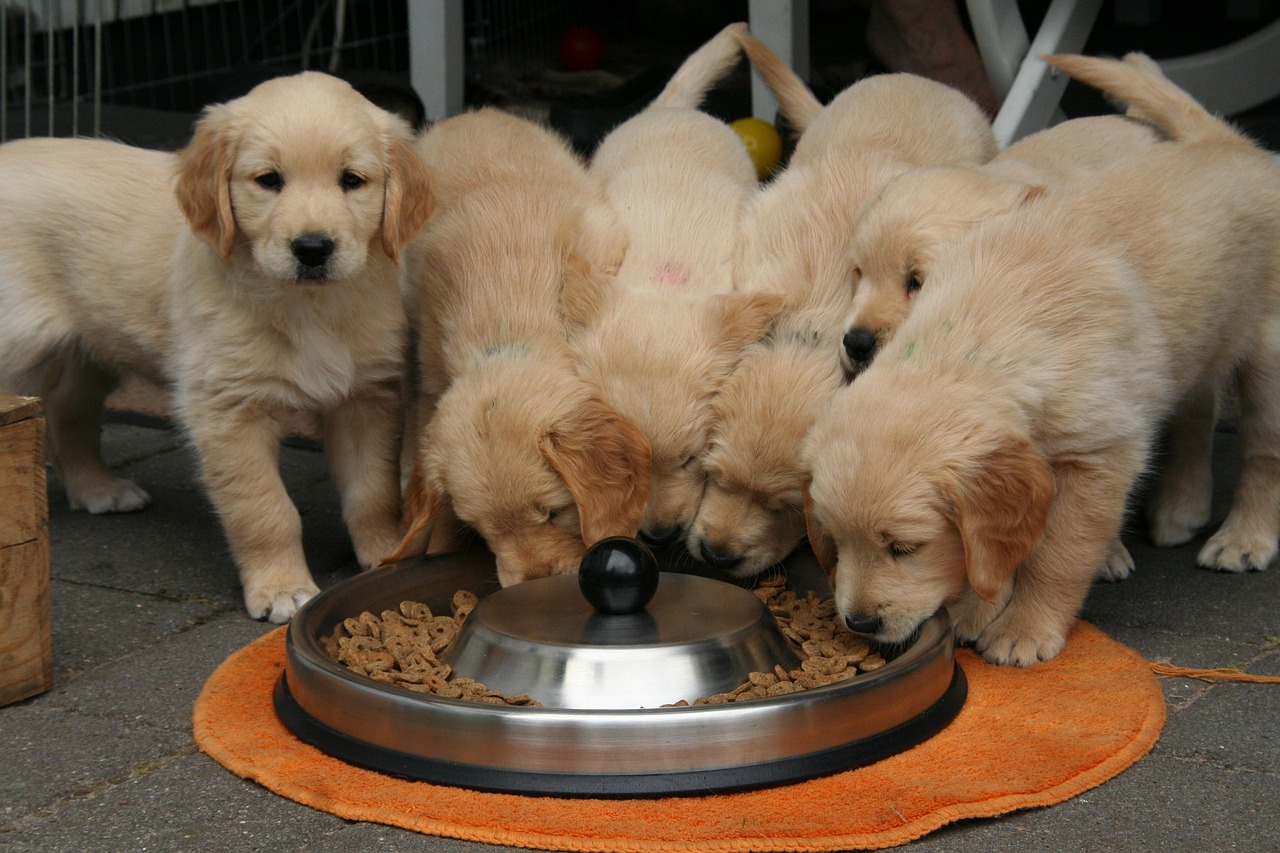
Understanding the frequency of feeding is vital for puppy care. Generally, puppies require more frequent meals than adult dogs. Young puppies, under six months, typically need to eat three to four meals a day. This schedule helps maintain their energy levels and supports growth. As they mature, you can gradually transition to two meals a day. Establishing a routine not only promotes healthy eating habits but helps with house training too. Each meal should be portioned appropriately; consult feeding guidelines on the dog food package or your veterinarian for accuracy. Be attentive to your puppy’s activity levels and weight, adjusting portion sizes as needed. Puppies often become excited during feeding time, showcasing their enthusiasm. Keeping their feeding area clean and free from distractions can enhance their eating experience. Always provide fresh water alongside meals to keep them hydrated throughout the day. Remember to monitor any changes in appetite as it could indicate health issues, so regular vet check-ups are advisable. Ensuring your puppy gets the nutrients they need at scheduled intervals fosters healthy growth and a well-behaved pet throughout their life.
An important aspect of puppy nutrition is ensuring they are getting a balanced diet. This involves understanding the key components of their food, including protein, fats, carbohydrates, vitamins, and minerals. Puppy food is formulated to support growing bodies and usually contains higher protein and fat levels compared to adult diets. Choosing a high-quality dog food brand ensures that essential nutrients are present for optimal health. Ingredients should be sourced from reputable suppliers and free from fillers or artificial preservatives. It’s advisable to familiarize yourself with the AAFCO (Association of American Feed Control Officials) guidelines as they regulate nutrient profiles that puppy food must meet. Additionally, consulting your veterinarian can provide insights into specific nutritional needs based on your puppy’s breed and size. A good diet fosters robust growth, healthy coat, and strong bones. Puppies require gradual adjustments in their diet as they age. Start with dry kibble, gradually introducing wet food if necessary, but always check ingredient lists closely. Specialty diets may be suitable for puppies with allergies or sensitivities, so addressing any concerns early on can prevent long-term health issues.
Homemade Puppy Food
Many owners consider homemade diets for their puppies, believing it’s a more natural way to feed. While preparing homemade meals can ensure quality control over ingredients, it’s crucial to ensure nutritional balance. Research appropriate recipes that include vital nutrients puppy bodies need for growth. Consult with a veterinarian or a pet nutritionist before transitioning to homemade food to avoid deficiencies. The meals should consist of proteins, grains, vegetables, and healthy fats. For instance, lean meats, cooked whole grains like brown rice or quinoa, and vegetables like carrots or green beans can form a basic recipe. Supplements may be necessary, as home-cooked diets can lack specific nutrients found in commercial foods. Be aware that not all human foods are safe for puppies; consult lists detailing harmful substances to avoid. Monitoring your puppy’s body weight, activity levels, and overall health is also essential. Homemade food options can provide variety and address specific dietary needs but require commitment and knowledge. Ensuring your puppy receives nutrients in their required daily volumes is fundamental for their overall well-being and longevity.
Transitioning your puppy’s diet should be done gradually to avoid upset stomachs. When introducing new food, mix it with their current diet, increasing the new food’s proportion over a week. Stay observant during this transition for any gastrointestinal issues. If symptoms like diarrhea or vomiting occur, slow down the process. In contrast, if your puppy accepts the new diet well, you can proceed with confidence. Each puppy reacts differently to dietary changes, making individual observations key. Keep a record to note progress or issues you encounter. Additionally, it’s essential to preserve consistency; sudden changes in diet can lead to stress and food aversions. Besides feeding, consider your puppy’s unique preferences, as some may prefer dry kibble while others favor moist food. Provide variety occasionally, but balanced nutrition should remain the priority. If finances allow, opting for premium brands can contribute to better health and well-being for your puppy. Remember, nutrition is more than just calories; it affects mood, behavior, and energy levels. Regular vet check-ups will further guide you in maintaining proper nutrition throughout the various growth phases.
Weight Management and Portion Control
Weight management is a significant part of puppy care to prevent excessive weight gain, which can lead to health problems. It is essential to monitor your puppy’s weight regularly; establishing a healthy weight from the beginning helps maintain long-term health. Use a scale to track their weight and consult with your vet if you notice abnormal weight changes. Ensuring proper portion control is essential. The guidelines on dog food packaging often indicate feeding recommendations based on weight, but adjusting these amounts based on activity levels is advisable. Puppies that are highly active may require more calories and consistent adjustments in their diet. Laying down a feeding schedule aids in controlling overfeeding; ensure that treats represent no more than 10% of your puppy’s total caloric intake. Providing routine exercise alongside a balanced diet helps maintain ideal weight. Playtime, walks, and interactive games contribute not just to bonding but healthy weight management too. Support with professional advice on feeding strategies and weight tracking can foster a healthy lifestyle for your puppy, ensuring they remain fit, energetic, and happy throughout their lives.
Addressing dietary restrictions in puppies is crucial, particularly for those revealing symptoms of allergies or intolerances. Common allergens include wheat, soy, corn, and dairy. Watch for signs like itching, gastrointestinal upset, or unusual behavior after meals. If you suspect food allergies, consult a veterinary professional to discuss diagnostic testing and possible dietary changes. Specialized hypoallergenic diets might be needed that include limited ingredients to rule out sensitivities. Opting for single-source protein diets can help identify allergens while promoting healing in the digestive tract. Read product labels carefully when selecting food, ensuring no prohibited ingredients are included. Regular follow-up appointments will help monitor your puppy’s response to dietary adjustments. Communicating openly about any concerns with your vet enables better management. Alternatives like novel proteins, such as duck or venison, may be considered for dogs sensitive to common protein sources. Remember that changes in diet should be gradual to avoid digestive disturbances. It’s also beneficial to maintain a journal documenting your puppy’s behaviors, and weight, and any allergic reactions. This proactive approach assists your veterinarian in designing an appropriate dietary plan.
Final Thoughts on Puppy Nutrition
Puppy nutrition lays the foundation for lifelong health. Investing time in understanding proper feeding practices and nutritional needs enhances your puppy’s overall happiness and development. Proper support through balanced meals, routine vet visits, and paying attention to any specific dietary restrictions is vital. Remember that preparing a puppy for a healthy life involves more than just good food—it includes maintaining proper weight, portion control, and fostering a pleasant feeding environment. Engaging in frequent exercise and play also promotes a healthy lifestyle. Always keep an open line of communication with your vet regarding your puppy’s health and dietary needs. Keep researching credible sources to stay updated on nutritional information. Mid and long-term adjustments may be required as puppies grow quickly through different life stages. Consider periodic evaluations of dietary choices as new products and research become available, supporting optimal nutrition. Your commitment to addressing your puppy’s dietary needs will reward you with a healthy, vibrant, and happy companion. Remember, informed decisions now pave the way for a better quality of life later. Puppy care involves mindful nutrition, so continue learning to ensure you provide the best possible start.