
Sidelighting vs Frontlighting: Which Works Best for Dogs?
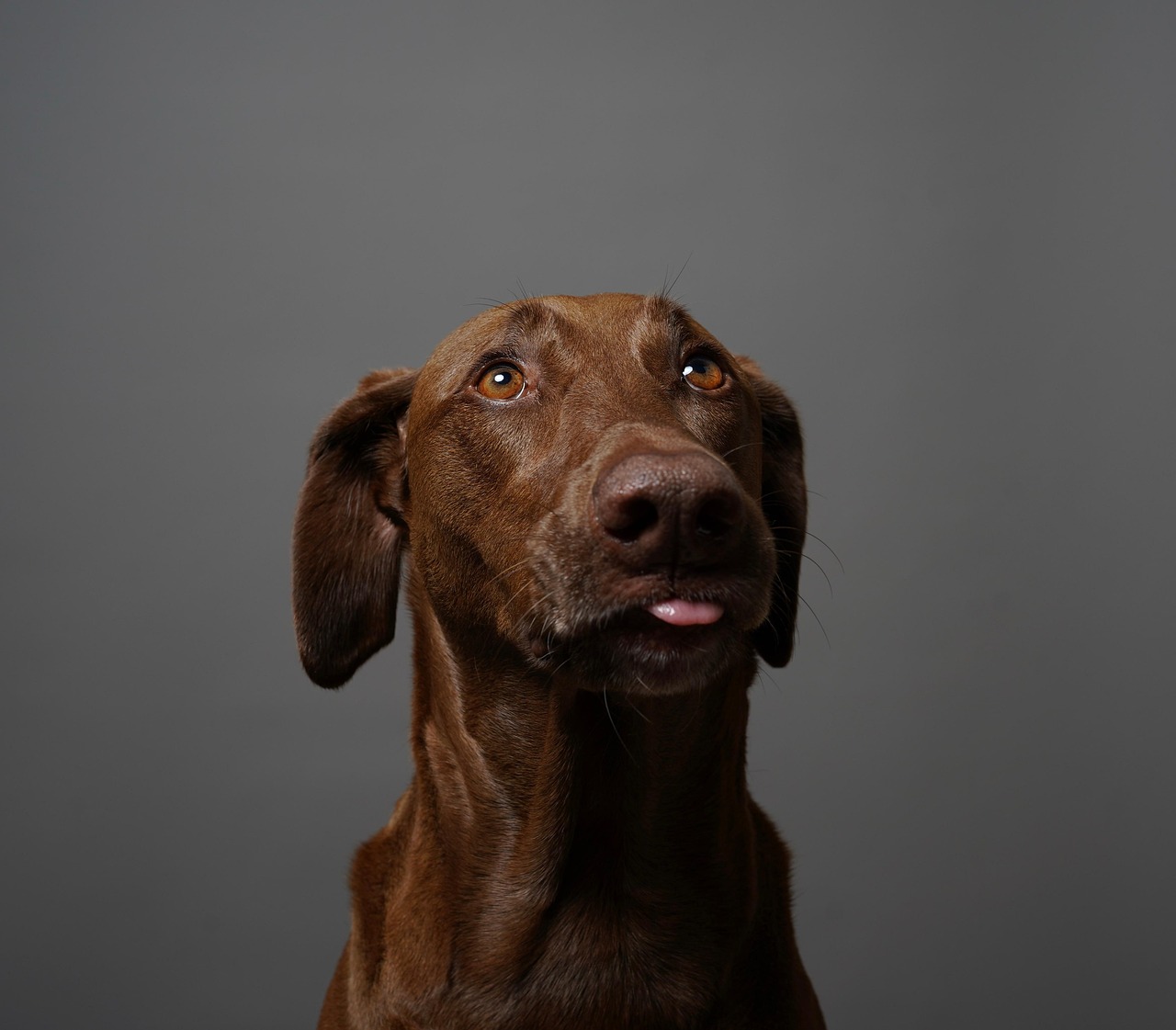
Photographing dogs presents unique challenges and opportunities, particularly when it comes to lighting. Among various lighting techniques, sidelighting and frontlighting are two popular choices. Sidelighting occurs when the light source is positioned to one side of the subject, creating dramatic shadows and depth. This technique can enhance textures such as fur, adding dimension to dog photographs. Ideally, sidelight gives your photos a more artistic approach, emphasizing lines and contours that characterize different dog breeds. Pairing this with a slight angle can help capture the dog’s personality more effectively, often creating a mood that resonates with viewers. Frontlighting, on the other hand, involves placing the light source directly in front of the subject. This method results in even illumination, reducing harsh shadows remarkably. While frontlighting creates a bright and friendly look, it might wash out some textures that sidelight beautifully showcases. However, using frontlighting can produce clear and straightforward images, ideal for showcasing the dog’s expression and delightful characteristics. Experimenting with both techniques will help you determine which suits your individual style and the specific breed of dog you’re photographing the most.
Understanding the effects of sidelighting and frontlighting on dog photography is essential for creating memorable images. Sidelighting emphasizes contrast, which can tell a compelling story. This approach allows for mood development and can evoke emotion, making it particularly effective in telling a narrative through photos. When you photograph a dog in sidelighting, you are accentuating the natural beauty of the animal, heightening the appreciation for its uniqueness. Conversely, when using frontlighting, the emphasis shifts towards clarity and detail. It is particularly suited for capturing moments of playfulness. Every angle brings out different characteristics in dogs. The angle can either soften features or bring them into sharp focus, depending on which lighting is used. Photographers should frequently experiment and change positions around their subjects to discover what works best. It’s crucial to be aware of the time of day, as that greatly influences the quality of light available. Consider the positioning of your light source relative to your subject. By mastering these techniques, photographers can ensure they capture each dog’s essence beautifully.
Consider the Breed and Environment
Each breed of dog has unique traits and characteristics that influence the choice of lighting. Smaller breeds with intricate fur patterns may benefit more from sidelighting, which showcases their textures. Sidelighting can create dramatic effects that highlight individual hairs and fur movements. For example, illuminating a small dog like a Pomeranian from the side can emphasize its fluffy coat in a stunning manner. On the other hand, larger breeds often show better under frontlighting when showcasing their robust body structure and facial expressions. Breeds like Great Danes can appear more inviting and friendly as frontlighting softens stark features. Additionally, the environment plays a crucial role in determining which lighting technique is preferable. A natural outdoor setting during golden hour offers warmth, suitable for both lighting methods. Indoors may dictate a preference for one style over another, depending on available light sources. Adjusting backgrounds when transitioning from outdoor to indoor settings can completely change the mood of your photographs. Learn to read your dog’s behavior and adjust accordingly for the best outcomes in varied environments.
Lighting techniques can also significantly affect the mood conveyed in your photographs. Sidelighting can evoke a sense of mystery or tension, making it ideal for capturing candid moments. When a dog is in action, the shadows created by sidelighting can communicate energy, creating more dynamic photographs. This is particularly useful for photographing active breeds that love to play and explore. Frontlighting, however, offers an inviting vibe, ideal for portraits or family settings. It’s particularly effective when photographing dogs in familiar environments, where the pet feels at ease. Frontlighting captures bright and cheerful expressions, making the dog look friendly and approachably cute. However, too much frontlighting can result in overexposed images, especially during bright sunlight. Using reflectors or diffusers can help balance light and prevent harsh shadows. Both techniques have their merits, and experimenting with them in various situations can help in developing your photographic style. Be creative and combine both techniques to reflect the dog’s character. This includes movement captured in joyful moments, revealing subtle stories within every photograph.
Utilizing Natural Light Effectively
Natural light remains one of the most effective tools for dog photography, and understanding how to manipulate it can enhance your images significantly. Sidelighting often works better in natural settings, especially during sunrise or sunset when the light is softer. You can create beautiful glows that showcase your subject effectively. This time of day, often referred to as the golden hour, can be incredibly beneficial for photographers. Position your dog accordingly so that shadows add depth without making them appear harsh. Alternatively, for frontlighting during midday, it’s essential to find shaded areas to avoid blinding glare. Direct sunlight can wash out facial features, diminishing their character. A shaded area offers a controlled environment where the light illuminates your dog more gently. Use reflectors to bounce light and fill in shadows, giving more balance to the image. Watch for how light interacts with your subject. Experimenting with angles can yield entirely different outcomes, leading to stunning photographs that reflect your unique vision. Dog photography thrives on creativity, and using natural light effectively boosts your potential.
Post-processing techniques can significantly enhance your dog photographs taken with sidelight or frontlight. After capturing your images, using editing software can improve exposure, contrast, and colors, creating an eye-catching effect. Sidelighting photographs might require increased contrast to highlight textures or deep shadows. This adds depth and drama to the image. Frontlighting photos may need color correction or brightness adjustments to maintain the dog’s vibrant personality without losing details. It’s vital to adjust settings gently to ensure the original essence is preserved. Over-editing can lead to unrealistic results, so aim for balance. Consider using filters or presets that compliment your style. Various software options allow you to make quick edits while offering creative control over each image. This practice can fine-tune the final outcome, drawing attention to your subject while enhancing the story. Testing different edits allows for a more customized approach and can significantly improve your overall portfolio. The right blend of editing can breathe life into your photos, making them striking and enjoyable for both the viewer and the photographer.
Conclusion
In conclusion, mastering both sidelighting and frontlighting techniques offers photographers a wealth of creative opportunities to capture dogs perfectly. Each method emphasizes different traits of the subject while conveying unique moods and stories. Sidelighting can highlight textures and movement, adding drama to your photographs, while frontlighting creates warm and inviting portraits that showcase the dog’s character beautifully. Understanding your subject’s breed traits and adapting lighting techniques to environmental conditions is essential for successful results. Experimenting with natural light provides fantastic opportunities to explore varying depths and contrasts. Post-processing can further elevate your images, ensuring they maintain quality while emphasizing key details. Dogs bring joy and energy, and your photography should reflect that. As you grow in your skills, don’t hesitate to blend techniques, discovering combinations that deliver stunning results. As always, practice is key. With aware applications of sidelighting or frontlighting, you’ll craft dog photographs that portray each dog’s unique and playful personality, resonating well with viewers. Enjoy the creative journey of dog photography and explore the art of capturing their essence.