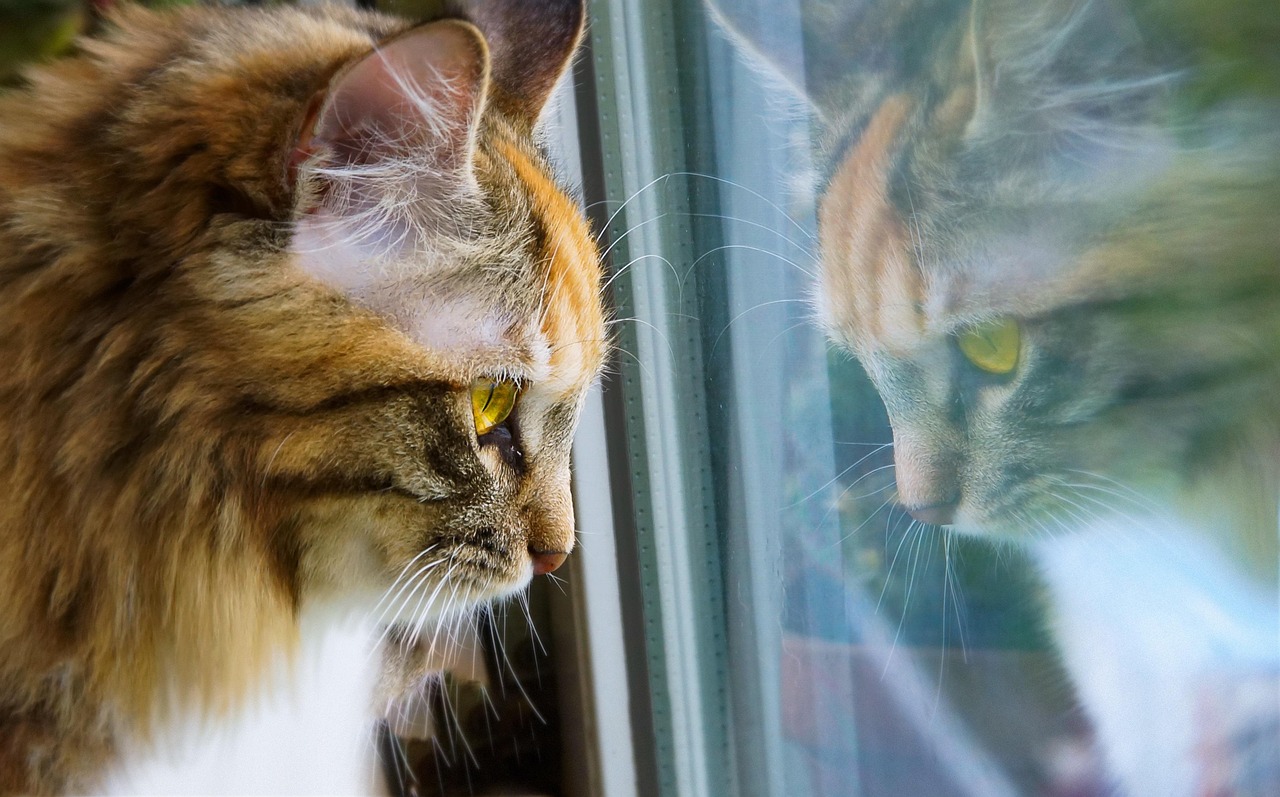

Understanding Cat Behavior to Avoid Household Accidents
Understanding cat behavior is crucial to prevent accidents at home. Cats are naturally curious creatures, exploring their surroundings with great zeal. Hence, it’s essential to recognize their instincts for the safety of your feline friend. One dangerous area is the kitchen, where various hazards lurk including hot surfaces and sharp objects. Always keep food out of reach and store hazardous utensils properly. Cats may also jump onto counters, so consider using deterrents to discourage this behavior. Another common risk is house plants, as many are toxic to cats. Be aware of which plants are safe and remove those that pose risks. Additionally, cats have a keen interest in anything that moves; hence, loose cables can be a tempting target. Using cable management solutions can minimize this risk significantly. To create a safe environment, a housecat must be aware of the potential dangers, thus keeping the environment secure helps in cat care. Identify areas of concern, regularly assess your home, and maintain awareness, ensuring that your curious feline remains out of harm’s way, and allowing them to explore safely with supervision whenever necessary.
Safe Play Environments
Cats love to play, and creating safe play environments is vital for preventing accidents. Utilizing interactive toys allows them to channel their energy safely, reducing the chance of injury. Choose durable toys made specifically for cats, as they are designed to withstand vigorous play. Avoid small items that can be swallowed or choked on. Encourage climbing and jumping with cat trees or shelves, which satisfy their natural instincts. Ensure these structures are stable to avoid tipping over and causing injury. Supervision during playtime is essential, especially with new toys, to monitor how your cat interacts with them. Additionally, consider engaging in scheduled play sessions to maintain their physical health and mental well-being. Redirect any predatory behaviors with appropriate toys when necessary, teaching them what items are safe to play with. Keep potential hazards like strings or rubber bands out of their reach, as these can pose choking risks. Having designated safe zones allows your cat to explore freely without the worry of accidents. Create an enriched environment with various textures, toys, and safe spots to hide or rest, ensuring a happy and secure playing atmosphere.
Another crucial aspect of avoiding household accidents is the proper arrangement of furniture and home items. A cluttered environment can create several hazards for your cat, as they explore every crevice. Consider decluttering regular pathways to create a safe haven for your feline friend. Items left on floors may become tripping hazards or be mistaken for toys, leading to potential injuries. Reduce the likelihood of accidents by maintaining organized spaces. Use shelving units for books and other accessories to minimize clutter. When designing your space, ensure that furniture is sturdy enough to withstand any potential jumps or falls, creating vertical spaces that allow them to traverse safely. Keep dangerous items like cleaning supplies and fragile objects secured, as curious cats are prone to knocking things over, risking injuries. Additionally, place anti-slip mats in areas where cats frequently walk to prevent falls. Ensure all items such as curtains can be neatly placed away from their roaming paths, minimizing entanglement risks. Above all, regularly assess and rearrange your home for a more cat-friendly environment that promotes safety and your pet’s natural behaviors.
Creating a Cat-Friendly Kitchen
The kitchen can be particularly hazardous for cats, as it is filled with potential dangers and temptations. One of the most essential tips is to keep food items out of reach, as many human foods are toxic to felines. Store all edible goods in cabinets or on high shelves to avoid them being knocked over or ingested. It’s also important to be vigilant regarding open containers, as cats may spill or get into them, leading to dangerous situations. Ovens, stoves, and boiling liquids are additional risks; always close lids and ensure cooking appliances are off when not in use. Furthermore, knives and sharp utensils should always be stored securely, either in a drawer or a block, to minimize accidents. Use a protective gate if necessary to restrict access when preparing food. Be cautious with spills on the floor; these can become slippery surfaces that might lead to falls. A safe kitchen environment not only safeguards your cat but also creates a pleasant cooking space for yourself and ensures that all potential hazards are addressed promptly, creating a harmonious living situation.
Proper identification is another key factor in ensuring your cat’s safety. Collars with identification tags can be crucial should your cat escape. Always use a breakaway collar to prevent choking hazards in case your cat gets caught on anything. Additionally, microchipping your cat is a reliable method of identification, improving the chances of a reunion if your pet is lost. Be sure to keep your contact information up to date with your microchip registration. Consider teaching your cat to respond to commands, as this can prove invaluable in managing potential hazards during outdoor exploration or interactions with other pets. Create a safe outdoor space if you allow your cat outside, using fences or other barriers to keep them secure while avoiding predators or wild animals. Supervised outdoor time can foster physical activity while keeping them safe from accidents. Having designated backup strategies in place allows for normalcy in unexpected situations. Such precautions ensure that you handle any potential situations effectively, transforming your home into a secure haven for your furry friend while reducing risks associated with daily activities.
Establishing safety measures also extends to your cat’s health through routine veterinary check-ups. Health issues can lead to behavioral changes that increase the risk of accidents. Regular visits enable a vet to catch any underlying problem early. Cats may exhibit sudden aggression or withdrawal due to health complications, heightening chances of miscommunication or accidents among pets or humans. It is essential to monitor your cat’s behavior, noting any changes that may indicate a need for professional intervention. Along with medical assessments, consider addressing dental health, as poor oral hygiene can lead to discomfort and potential accidents associated with pain. Make sure all vaccinations are up to date, as being protected against diseases will promote their overall well-being. Additionally, educate yourself continuously about evolving feline needs through reliable resources. Building a responsible pet ownership philosophy requires consistent engagement with knowledge about cat care and behavior. By ensuring that their health is consistently monitored and received early attention, you uphold a safe capability for your cat to experience life. This empowers them and makes it less likely that they will encounter preventable accidents.
In conclusion, understanding cat behavior while creating a safe home environment is paramount. Cats possess a natural instinct to explore, but this can sometimes result in unforeseen accidents if their surroundings are unmonitored. Making proactive adjustments to your living space can significantly change your furry friend’s safety. By remaining vigilant and emphasizing safety over convenience, you create a more nurturing environment for your beloved pet. Implementing preventative measures, such as avoiding hazards and encouraging safe play, enables a solid foundation for pet care routines that emphasize well-being. Regular vet check-ups, interventions for any behavioral changes, and ensuring proper identification all contribute to an overall safe household. Consider investing time into enhancing your home with practical alternatives designed to support balance for both your cat’s needs and your household. Encouraging safer habits for both pets and humans will lead to a more harmonious living situation. Strong communication between you and your cat will enable a lifelong bond that appreciates mutual respect and understanding. Enjoy the journey of your cat’s explorations while remaining a vigilant and responsible pet owner to ensure their safety at home.