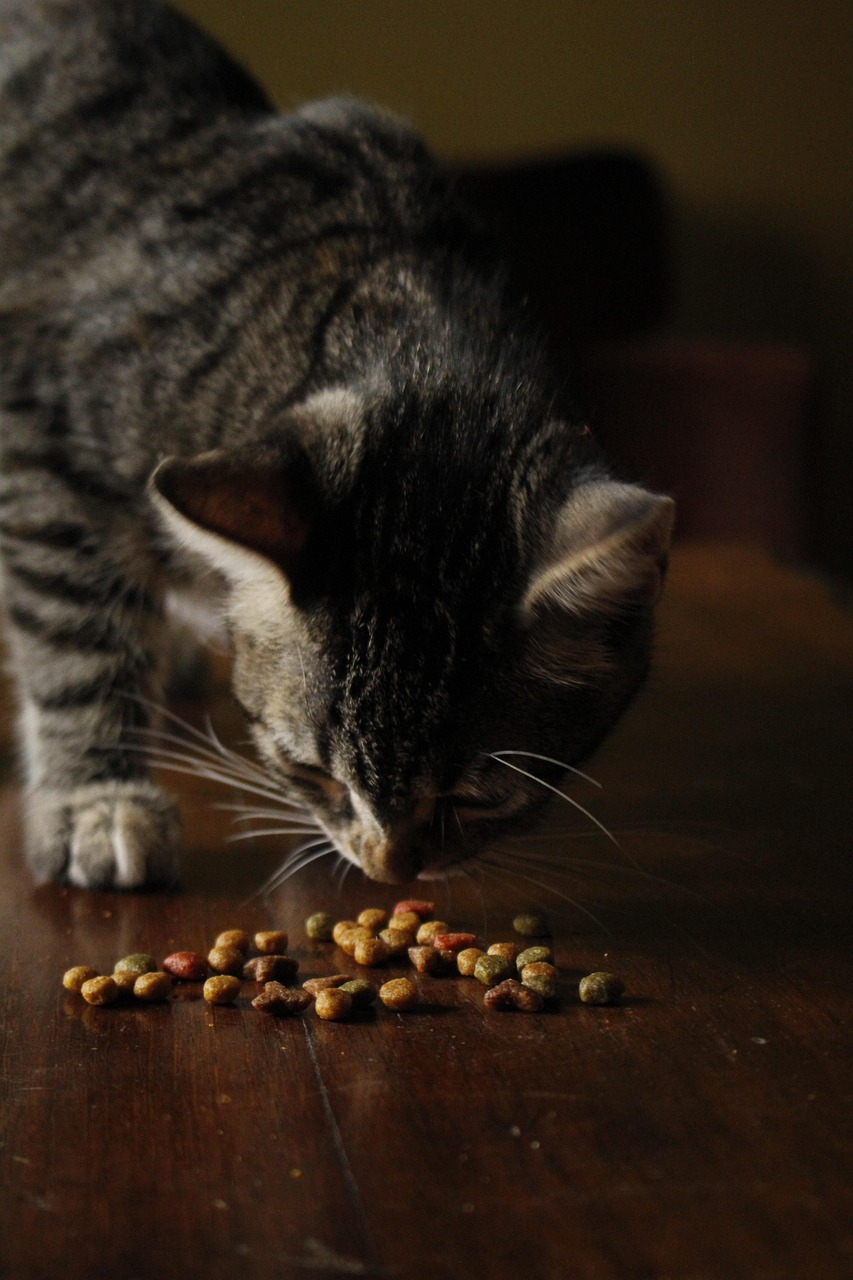

Are Human Foods Safe for Cats? Common Nutritional Myths
When it comes to the dietary habits of our feline friends, there are numerous misconceptions surrounding the safety of human foods. Many cat owners often wonder if certain human foods can be shared with their pets. The reality is that while some human foods are safe for cats, others can pose serious health risks. For instance, cats are obligate carnivores, meaning their diet should primarily consist of meat. However, some people believe that all human food is suitable. A safe way to approach this issue is to consult with a veterinarian on whether specific foods can be given to cats. Educating oneself on this topic could prevent misconceptions from affecting our pets’ health. It’s crucial to recognize that not all food that seems harmless, like dairy, is good for them. In fact, many adult cats are lactose intolerant. Proper nutrition will always entail more than simply sharing table scraps. Owners must strike a balance in their feline’s diet to ensure they are receiving all necessary nutrients.
The myth that all fish is a safe choice for cats is prevalent among pet owners. While fish can be an enjoyable treat in moderation, it should not comprise a large portion of a cat’s diet. Fish, particularly raw fish, can contain harmful enzymes that interfere with vitamin absorption, specifically thiamine, essential for a cat’s overall health. Additionally, too much fish can lead to mercury poisoning. Consequently, fish-based food should only be provided occasionally, paired with a balanced diet formulated for cats. Careful consideration must be placed on other seafood, as some can be toxic. Cats also find the smell of fish irresistible, which often blinds owners to the potential dangers. If a cat enjoys fish, offering it as an infrequent treat cooked without added spices or oils is safe. Consulting with your vet can provide tailored advice on what human food can fit into your cat’s balanced diet. Understanding the guidelines surrounding human food choices is essential for ensuring their health remains top-notch while enjoying occasional tasty goodies.
Can Cats Eat Chocolate? Debunking Common Myths
One widely known myth that is completely false is the belief that cats can eat chocolate safely. Chocolate is toxic to both dogs and cats due to the presence of theobromine and caffeine, compounds that cats cannot metabolize effectively. Even small amounts can cause symptoms that range from mild to severe, including vomiting, a rapid heart rate, and even seizures in extreme cases. Unfortunately, many pet owners still believe that small quantities won’t hurt. Consequently, it’s crucial to keep chocolate and any desserts containing it out of reach from feline companions. This misconception often arises from general discussions about pet safety that unintentionally blur the lines between different animals. Education is vital in preventing accidental poisoning. Awareness surrounding this harmful myth should be emphasized in all cat-care literature. If you suspect your cat has ingested chocolate, immediate veterinary assistance is essential. Making sure everyone in your household knows chocolate isn’t an option could prevent a serious health crisis. Remember, while some treats are safe, chocolate is categorically off the table for our furry friends.
Another common misconception pertains to the assumption that cats can digest all dairy products without issue. This idea generally arises from the stereotypical portrayal of cats enjoying a saucer of milk in cartoons. However, it’s essential to understand that many adult cats are lactose intolerant. Unlike kittens, who can digest their mother’s milk easily, most cats lack the enzyme required to break down lactose as they grow older. Mixing dairy into a cat’s diet can lead to digestive complications, including diarrhea and stomach upset. Therefore, it is recommended to avoid offering your cat milk or dairy products. If a cat does show interest in these products, specially formulated cat milk is available, designed to be lactose-free. This allows them to indulge in a creamy treat without adverse effects. It is beneficial to focus on providing a balanced diet tailored for feline nutritional needs. Read labels to ensure food choices align well with their digestive capabilities. Maintaining a well-informed perspective on cat nutrition is vital in ensuring that our loved pets lead healthy lives.
Are Grapes and Raisins Safe for Felines?
Another alarming nutritional myth is the belief that grapes and raisins are harmless snacks for cats. In reality, these foods can be incredibly toxic, even in small amounts. While dogs have garnered significant attention for their reactions to grapes and raisins, the potential risks for cats should not be overlooked. Consumption of these items can lead to kidney failure, a severe and potentially fatal condition that requires immediate veterinary attention. Owners often mistakenly view these fruits as healthy options, lacking awareness of their dangers. It’s crucial to dispel this myth and emphasize that grapes and raisins have no nutritional benefits for cats. If you’ve accidentally left some grapes on the table, you must ensure your cat cannot access them. Providing a safe environment involves eliminating potential dangers from their diet. Always opt for foods that are specifically designed for feline consumption. Educating yourself on the potential dangers of common foods is just as important. Misconceptions regarding nutritional guidelines for cats can lead to devastating health issues that pet owners must aim to prevent.
Many pet owners are also curious about the safety of feeding their cats fruits and vegetables. However, some items are off-limits for cats and can cause gastrointestinal distress or toxicity. Common vegetables like onions and garlic are especially harmful to felines and should always be avoided. They contain compounds that can be detrimental to red blood cells, leading to conditions like hemolytic anemia. This contradicts the widespread belief that vegetables are universally good for all pets. While cats may enjoy small amounts of certain fruits like blueberries or bananas, moderation is critical. Fruits should never replace a balanced diet, as cats lack the necessary enzymes to process carbohydrates effectively. Always introduce any new food gradually and observe for adverse reactions. Ensuring that you are familiar with safe foods can help in mitigating risks. If you’re considering adding fruits or vegetables to your cat’s diet, consult a veterinarian to identify safe options. A well-rounded understanding of your cat’s specific dietary needs will go a long way in maintaining a happy and healthy pet.
The Importance of a Balanced Diet
In light of these nutritional myths, it becomes essential to emphasize the importance of a balanced diet. Cats have very specific nutritional requirements that differ drastically from humans, which is why their diet must be formulated to suit their unique needs. A commercially prepared cat food specifically designed for felines is typically the best option, as these products comply with guidelines set by veterinary nutritionists. The need for high-quality protein, essential fatty acids, and vitamins cannot be overstated. Owners should read labels carefully and select products that contain appropriate nutrient profiles tailored for cats. Transitioning to a new food should be done gradually to avoid digestive upset. Owners must avoid substituting cat food with human diet leftovers, as this can disrupt the nutritional balance. Always consult with a vet for recommendations on proper feeding guidelines and any additional supplements. By fostering proper feeding practices, cats can enjoy longer, healthier lives while having all their essential dietary needs met. A strong focus on what cats should consume eliminates confusion and helps build a long-lasting relationship between pets and their owners.
In conclusion, understanding the myths surrounding cat nutrition is essential for pet owners. A well-rounded knowledge of which human foods are safe and which should be avoided keeps our feline companions healthier and happier. Misconceptions about human foods often lead to unintentional harm that can easily be avoided with proper education. The opinions from veterinary professionals should guide feeding decisions to ensure your cat receives all necessary nutrients without risking their health. Whether it’s chocolate or dairy, many foods that people think are safe are anything but. By being informed and adopting safe feeding practices, pets can thrive, keeping their coats shiny and their spirits high. Encouraging proper dietary choices enables owners to provide lasting well-being throughout the life of their cats. Remember that not all edible items are appropriate for feline consumption. As a loving pet parent, taking time to understand and research cat dietary needs is indispensable. Always prioritize safety and nutrition over convenience. Preserving your cat’s health is a responsible, rewarding experience, and it starts with informed choices to support their quality of life.