
Assessing Your Adopted Dog’s Physical Limitations for Exercise
When adopting a dog, it’s essential to assess their unique physical limitations before engaging in an exercise regimen. Each dog exhibits different capabilities based on several factors including breed, size, age, and health history. Depending on these traits, their exercise requirements can vary significantly. For instance, large breeds typically require more room and longer durations for exercise, while smaller breeds might be content with shorter walks. It’s also crucial to consider any pre-existing health conditions. If your dog has previously suffered from injuries or has chronic illnesses, you should consult a veterinarian. This professional can offer insights on the acceptable levels of exertion tailored for your dog. Engaging your dog in activities stretching beyond their capacity may lead to complications, including fatigue or injuries. Thus, understanding their limitations not only enhances their well-being but also fosters a more enjoyable exercise experience for both you and your dog. Create a balanced exercise routine that adapts to your dog’s needs to ensure a stress-free journey in their new home.
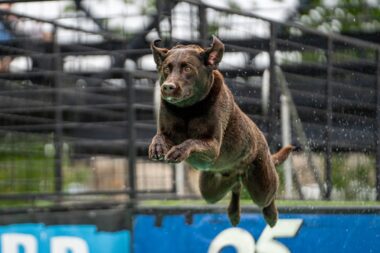
In addition to assessing basic physical limitations, it’s important to recognize your dog’s energy level. Each dog has a unique disposition that dictates their overall enthusiasm for physical activity. For example, high-energy breeds, like Border Collies and Labrador Retrievers, often thrive on vigorous exercises such as running, swimming, or playing fetch. Conversely, low-energy breeds may prefer leisurely strolls and minimal structured activities. Assessing your dog’s energy level can significantly influence their exercise regimen and interaction with you during these outings. Furthermore, it helps in preventing overexertion or boredom. It may be beneficial to incorporate varied activities into your dog’s routine, ranging from short play sessions in the yard to longer, more engaging pursuits at the park. Observing your dog’s reactions during different types of activities will provide clues to their preferred exercises. Watch for signs of fatigue, enjoyment, and interest throughout your outings. If your dog seems eager during fetch but disinterested in long walks, prioritize their enjoyment and adjust plans accordingly. This attention to energy levels fosters a positive exercise culture.
Consulting a Veterinarian
Consulting your veterinarian is key to developing a safe and effective exercise plan for your adopted dog. A trained professional can perform a thorough health assessment, identifying any existing conditions that may impact exercise capacity. This assessment should include a discussion about your dog’s medical history and lifestyle, enabling the vet to provide tailored advice. Depending on your dog’s age, certain exercises may need to be avoided to safeguard their joints and overall health. Puppies, for instance, should not engage in intense activities as they are still growing, while senior dogs require adaptations to avoid strains. Additionally, your veterinarian might recommend specific exercises to improve your dog’s health and fitness levels. This may include strength-building activities for weaker dogs or low-impact exercises for senior dogs. Keep in mind that your veterinarian is also a valuable source of reliable information about your dog’s breed-related tendencies and potential health concerns. Regular check-ups can help monitor your dog’s health over time, allowing any changes in their physical capabilities to be promptly addressed.
Another crucial aspect of your dog’s exercise routine is the importance of gradual acclimatization. It is often tempting to dive right into extensive exercise sessions, particularly if your dog displays enthusiasm. However, just like people, dogs require time to build endurance and maintain their physical health. Starting with short bursts of activity and progressively increasing the duration and intensity will help prevent injuries while allowing your dog to adjust comfortably. Begin with brief walks or light play sessions, observing how your dog responds. If they seem tired or reluctant, scale back the activity to avoid fatigue. Introduce new activities slowly, paying attention to their stamina and capability. Regularly monitor their physical response to different exercises to gauge their thresholds. Over time, this gradual increase should lead to improved fitness and resilience for your pup. Ensuring a pace that matches your dog’s evolving abilities not only supports their health but also strengthens your bond as you navigate this journey together.
Socialization and Group Activities
Integrating socialization into your dog’s exercise routine plays a vital role in their physical and emotional well-being. Dogs are naturally social animals, and positive interactions with other dogs and humans can enhance their happiness and reduce anxiety. Consider engaging in group activities, such as attending dog parks or participating in obedience classes. These settings provide ample opportunities for play, exploration, and social engagement. Moreover, well-structured group classes can improve your dog’s obedience skills while offering a fun way to exercise. However, it’s crucial to monitor your dog’s behavior during these interactions, ensuring that they feel comfortable and are not overwhelmed. For dogs with anxiety issues, you might consider introducing them to new environments gradually. Start with controlled interactions with one or two familiar dogs before expanding to larger groups. Building socialization skills can positively affect your dog’s confidence, aiding in their overall adjustment to their new home. Always prioritize their comfort and readiness as you introduce varying social settings, building a positive association with exercise and socialization.
Incorporating mental stimulation into your dog’s exercise plan is just as crucial as physical activity. It’s essential to recognize that dogs thrive not only on physical exertion but also on cognitive challenges. Engaging in activities like puzzle toys, training sessions, or agility courses can provide both mental and physical workouts. Mixing exercises that challenge the brain with those that engage the body keeps your dog engaged, helping to stave off boredom. Activities could include teaching new tricks or utilizing interactive toys filled with treats. Practicing basic commands or agility tasks encourages your dog’s development and strengthens your communication. Additionally, these activities can be especially beneficial for high-energy dogs, as they require mental focus to successfully execute tasks. By ensuring a diverse range of exercises, you create an environment that nurtures your dog’s happiness, health, and motivation. Understanding and honoring your dog’s need for mental stimulation alongside physical activities ensures a holistic approach to their well-being and fosters a more enjoyable companionship.
Monitoring Progress and Adjusting Routines
Monitoring your dog’s progress is an essential part of managing their exercise needs effectively. Keep track of how your dog responds to various activities and match those observations with alterations to their routine. Note the duration and intensity of their activities, as well as any signs of discomfort, fatigue, or enthusiasm. Regular journaling of your dog’s performance will help you refine the exercise plan as they evolve. As your dog’s fitness improves, consider gradually increasing the challenge level by introducing longer walks, more intense games of fetch, or engaging in new activities that test their abilities. Do not hesitate to revisit your veterinarian if you notice any concerning trends that may indicate trouble. Their expert opinions can provide assistance in adjusting exercise plans when they appear necessary, ensuring a well-rounded approach to your dog’s needs. Additionally, consider doing occasional fitness assessments to check progress concerning weight, stamina, and agility. Making routine adjustments based on accurate observations promotes a healthy lifestyle for your dog while ensuring they remain motivated and engaged throughout their exercise journey.
In conclusion, understanding your adopted dog’s exercise limitations and requirements is vital for their health and overall happiness. From not only considering physical attributes but also energy levels, socialization, and mental stimulation, a comprehensive approach can nurture a fulfilling relationship. Gradual acclimatization and professional guidance help lay the groundwork for discovering the best routine suited for your dog. Additionally, monitoring progress ensures that routines adapt and evolve in tandem with their development. Following these steps will enhance your dog’s physical health and emotional well-being, enabling them to flourish in their new environment. Furthermore, by providing an outlet for positive energy and reinforcing good behavior, you foster a lasting bond that will thrive over the years. Embracing flexibility in your approach reinforces trust and confidence in your canine companion. Building a workout plan that reflects your dog’s abilities will lead to rewarding experiences both physically and mentally. Adopting a dog comes with the responsibility of honoring these needs, but the benefits of a happy, healthy dog will profoundly enrich your life and theirs as you navigate this wonderful journey together.