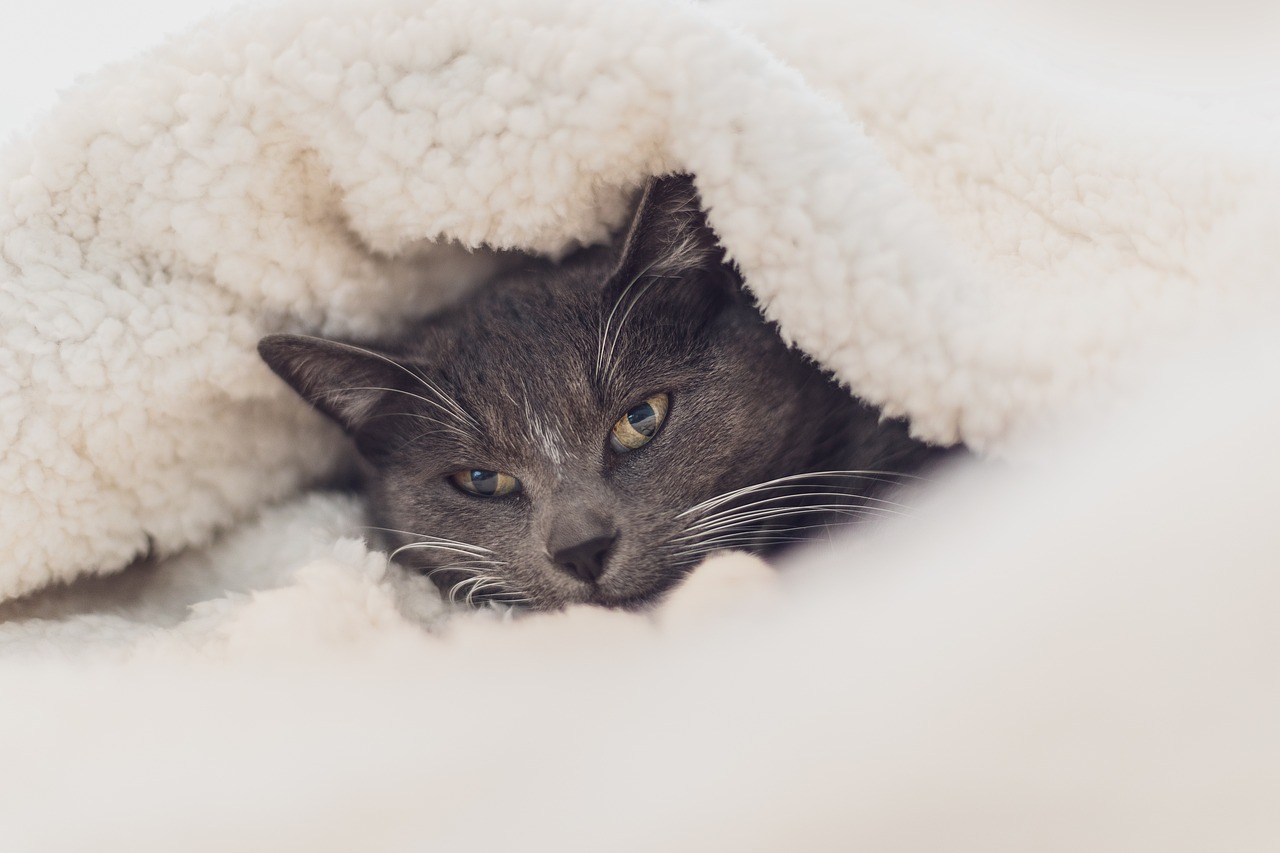

DIY Heated Cat Shelter: Step-by-Step Guide for Cold Weather
Providing warmth for your beloved feline friend during cold weather is essential to their health and happiness. A DIY heated cat shelter is an excellent solution for outdoor cats or those needing extra warmth in winter. This guide walks you through creating a simple, effective shelter using common materials. You’ll find that building such a shelter is not only cost-effective but also a fun project you can tackle over a weekend. Firstly, gather supplies such as an insulated box or storage bin, a warming pad or heat lamp, and blankets for bedding. The insulation will keep your shelter warm while protecting it from elements like snow and rain. Remember that the entrance should be small, allowing your cat to enter easily while minimizing heat loss. Also, consider making the roof slightly slanted to prevent rain from pooling. Lastly, regularly check the shelter to ensure it remains clean and comfortable for your furry friend. This DIY project can significantly improve your cat’s outdoor experience during chilly months.
Choosing the right location for your heated cat shelter is crucial to its effectiveness. Place the shelter in a sheltered area, away from direct wind, rain, and snow. This positioning can be near your home, under a porch, or beside a building. To best protect the shelter from harsh weather, you can utilize windbreaks such as hay bales or fencing. Ensure that the entrance faces away from prevailing winds to keep cats cozy inside. Furthermore, try not to put the shelter in a location that will flood during heavy rain, as moisture can damage insulation and bedding materials. Once you select an ideal spot, make sure it is easy for your cat to access without any obstacles, like thick bushes or brambles. Additionally, consider adding some outdoor cat-friendly items, like a sufficient supply of food and fresh water, to encourage them to use the shelter regularly. This setup can greatly enhance your yard’s safety while providing warm refuge for any outdoor cats in need of shelter. With the right spot chosen, your DIY heated cat shelter is ready for action.
Insulating Your Shelter
Insulation is key when creating a heated cat shelter, ensuring warmth during cold winter nights. The insulation should be applied to all sides of the shelter, including the bottom and the roof. Materials such as foam board insulation or rigid insulation panels work great for this purpose. Additionally, consider using old blankets or towels as padding inside the shelter. When using foam board, cut it to fit snugly inside the outer container, preventing any drafts. Ensure all insulation is securely fitted to avoid loosening that may expose your cat to cold air. If you opt for a storage bin, check that it has a good seal. Another effective method is to use straw or hay as bedding material, which provides excellent insulation while wicking away moisture. Avoid using regular blankets for outdoor shelters as they absorb moisture and can become cold, posing a risk to your cat. If you want to maintain warmth during frigid temperatures, check the shelter regularly to replenish bedding and ensure everything stays clean and dry. The right insulation will keep your kitty comfortably warm and safe.
Heating your cat shelter can dramatically enhance its comfort during harsh weather. Using a heating pad specifically designed for animals is one of the safest options for providing warmth. These pads usually come with chew-resistant cords and various heat settings that ensure warmth without overheating. Additionally, position the pad on a platform above the floor; this will prevent any moisture at the bottom from affecting the heating pad’s performance. For added safety, include a temperature regulator to guarantee your heating element doesn’t run too hot, potentially posing a danger to your cat. Alternatively, you might consider adding a low-wattage heat lamp mounted safely outside the shelter, directing warmth inside through the entrance. When using heat lamps, ensure they are placed out of reach and securely fastened to prevent any accidents. Whatever heating method you choose, always monitor the shelter to ensure the internal temperature remains safe. Remember that even a small warmth increase can help your outdoor feline feel comfortable and safe during cold snaps. Regularly check the equipment used to ensure everything is functioning properly.
Creating the Shelter Structure
The structure of your heated cat shelter needs to be sturdy, secure, and weather resistant. Start with a durable container, such as a large plastic storage bin or a wooden crate, ensuring it is the right size for your feline. The shelter should be spacious enough to accommodate a cat comfortably but small enough to conserve heat effectively. Cut an entrance that allows your cat to enter while preventing any wild animals from intruding. Consider placing a flap on the entryway to serve as an additional barrier against cold air and predators. To enhance stability, reinforce the shelter’s corners and edges with wood screws or other fasteners, preventing it from collapsing in harsh conditions. If you opt for a wooden shelter, ensure it is treated against moisture damage and pests. Once the structure is completed, paint it with non-toxic, waterproof sealant to protect it from the elements. The shelter’s design will not only keep the cat warm but maintain its functionality throughout the winter. With a sturdy shelter, your cat will be fully prepared for whatever winter brings.
Adding extra comfort inside your heated cat shelter can encourage your feline friend to use it happily. You can line the interior with soft, warm bedding materials like fleece blankets or even pet beds specifically designed for outdoor use. However, ensure you change and wash the bedding frequently to prevent odor and bacteria buildup. Additionally, consider placing a small litter box inside for situations where your cat feels the need to relieve itself while in the shelter. Some pet owners also choose to incorporate toys for play, keeping their cat entertained and engaged, even on unpleasant days outside. Also, consider introducing an old T-shirt or another item with your scent that will help them feel secure inside. You might also think about including a small water bowl in the shelter; for colder months, be mindful to use heated water bowls that prevent freezing. These small but meaningful additions ensure your cat feels at home in its new heated shelter, making it a cozy refuge during harsh temperatures. By enhancing comfort, you’re encouraging your outdoor cat to use the shelter consistently, which is paramount for their well-being.
Maintenance and Safety Tips
Maintaining your DIY heated cat shelter is crucial to ensuring its continued effectiveness and safety. Regular inspections should be a routine part of your care to check for any wear and tear. Look for signs of mold, water damage, or other hazards that might lead to discomfort. Pay particular attention to the entrance area, as it is exposed to the elements and may need some reinforcement or replacement over time. Keeping the bedding fresh and clean is equally important; discard any bedding that shows signs of dampness or odor. Also, examine the heating elements for any potential hazards like frayed cords or insecure placements. If you notice anything amiss with the heating pad or lamp, address it immediately for your kitty’s safety. Regular cleaning and upkeep ensure that your cat thrives in their heated shelter and remains warm throughout the winter months. In conclusion, with proper maintenance and a consistent schedule, your DIY heated cat shelter will provide a safe haven, protecting against the cold for your beloved feline companions.
Building a DIY heated cat shelter serves not only the purpose of keeping your furry friends warm but also teaches you valuable skills about construction and empathy for their needs. This guide has walked you through essential steps in planning, constructing, and maintaining a heated shelter that will offer refuge from harsh winter conditions. Investing time into creating functional outdoor space can lead to long-term benefits for both you and your cat. It is particularly rewarding to witness your cats enjoying the space you have created, giving them an inviting environment during the cold months. This project offers an excellent opportunity to enhance your outdoor surroundings while positively impacting the lives of outdoor and stray cats that might visit. Additionally, your shelter can contribute to local wildlife assistance. As your DIY heated cat shelter protects them, you also gain peace of mind knowing you’re providing for their comfort. Every step you take not only helps your cat but strengthens the bond between you and your pet, showcasing your commitment and love for their well-being. Remember, a little effort goes a long way in ensuring your cat stays warm.