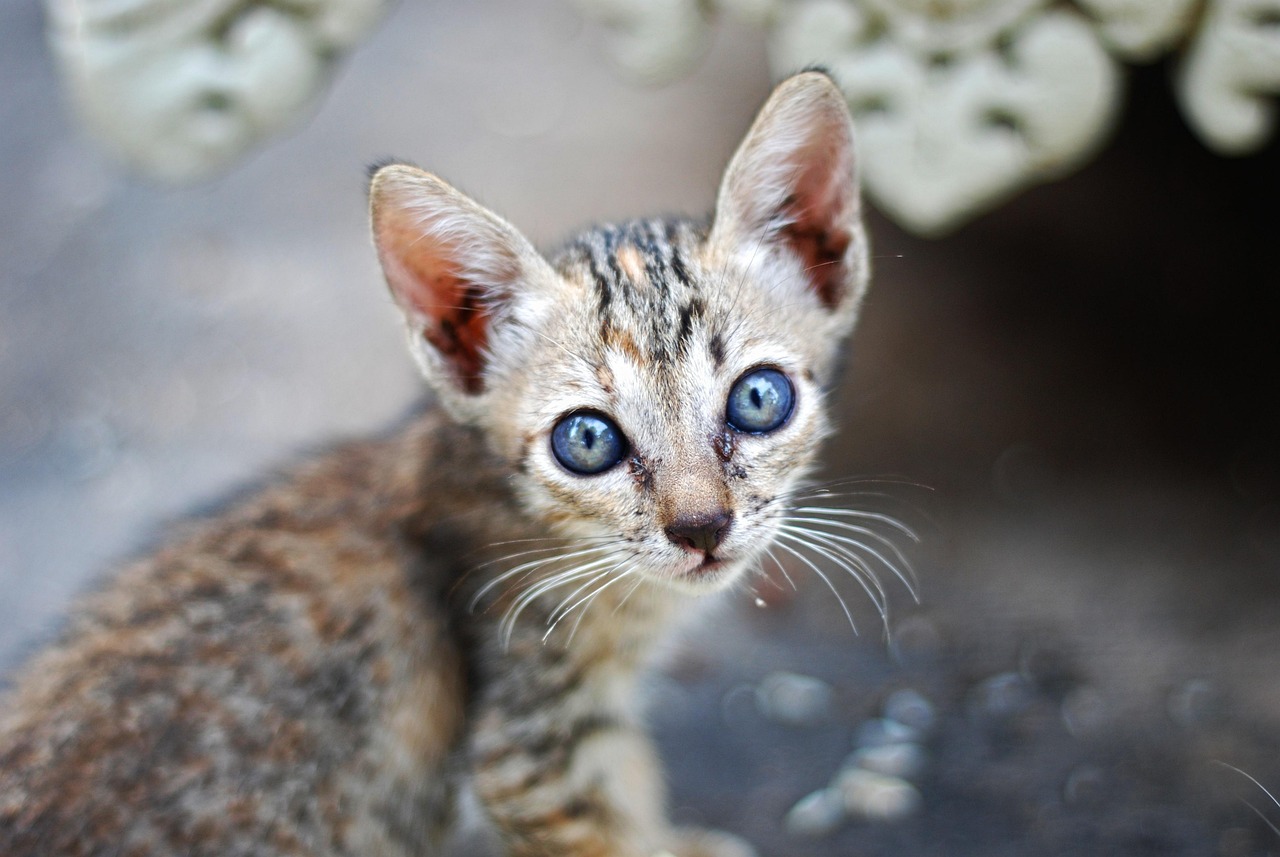

Historical Context of Cat Welfare
The history of cat rescue is intertwined with the broader context of animal welfare advocacy, which began to gain traction in the late 19th century. During this era, societal attitudes toward animals began to shift significantly, as people recognized the plight of stray and feral cats who were often neglected. Advocates emerged passionate about providing a voice for these vulnerable creatures. Organizations began forming with a mission to care for and protect stray cats from various hazards, including starvation and disease. This period marked crucial advances in public awareness regarding the responsibilities of pet ownership and community care. Early pioneers in cat rescue implemented programs to shelter and feed strays, ensuring their survival and well-being. Many sought to educate the public about the importance of spaying and neutering, aiming to prevent overpopulation among feral cat colonies. Today, numerous rescue organizations have followed in their footsteps, influenced by these initial advocacy efforts. These historical insights into cat rescue continue to impact contemporary practices and philosophies within the realm of animal welfare, shaping how communities approach the issue of feral cats.
Founding of Early Animal Shelters
In the early 1900s, the founding of various animal welfare organizations played a pivotal role in the history of cat rescue. Organizations such as the American Society for the Prevention of Cruelty to Animals (ASPCA) took significant initiatives toward protecting stray and feral cats. They showcased the need for organized efforts to care for these animals, leading to the establishment of shelters dedicated to their safety. These shelters not only provided immediate refuge but also aimed to foster a humane society that valued compassion toward all living beings. Educating communities about the lives of strays helped promote a shift in how feral cats were perceived. Within these shelters, innovative programs emerged, including adoption initiatives aiming to find homes for homeless cats. Additionally, clinics began offering low-cost spay and neuter services, directly addressing the issue of cat overpopulation. As these early shelters evolved, they became community hubs focusing on both advocacy and education. They swelled the movement that united local groups, volunteers, and stakeholders, fostering a sense of shared responsibility and care for feral cats that resonates to this day.
The 1970s and 1980s witnessed a resurgence in cat rescue efforts, propelled by individuals passionate about homeless felines. These decades marked a significant evolution in the philosophy of animal rescue, shifting towards a more proactive approach. Cat colonies became a focal point of community discussions, with many advocating for humane management strategies. Activists collaborated with local governments to develop trap-neuter-return (TNR) programs, which aimed to stabilize feral cat populations without the need for euthanasia. This marked a turning point where community members took ownership of local cat issues and sought effective long-term solutions. Education played a vital role during this period, as misinformation about feral cats was prevalent. Organizations disseminated literature to debunk myths and promote TNR as a beneficial method for both the cats and the communities. Workshop events began to proliferate, educating the public on best practices for caring for feral colonies. Many individuals took it further, creating advocacy groups that focused on enacting more supportive legislation. The groundwork laid during this time proved instrumental in reshaping community attitudes towards stray and feral cats, an essential part of modern cat rescue efforts that continue to evolve.
The rise of social media in the 2000s transformed the landscape of cat rescue dramatically. With the ability to connect directly with the public, many organizations began sharing stories, photos, and updates from their rescue efforts. This newfound visibility captured the hearts and minds of animal lovers everywhere. Online platforms facilitated awareness campaigns that educated individuals about responsible cat ownership and the importance of rescuing strays. Through hashtags and viral content, cats in need of homes gained attention leading to more adoptions than ever before. In addition, social media platforms provided a space for fundraising efforts, allowing organizations to gather resources for their initiatives. Virtual events, including online fundraisers and “meet the cat” sessions, bridged the gap between shelters and prospective adopters. This digital evolution enabled cat rescue groups to operate with increased efficiency and engagement, utilizing the power of community. Furthermore, myriad activist groups utilized social media as a tool for advocacy, amplifying the message about spaying and neutering cats to prevent overpopulation. The outreach potential unleashed by these platforms has simply transformed how cat rescue operates in the modern era, enabling wider community involvement.
Legislation Impacting Cat Rescue
Legislation around stray and feral cats has also evolved significantly, illustrating the interplay between advocacy and policy. In response to increasing concerns about feral populations, many regions enacted laws aimed at promoting humane treatment. Local governments began to develop policies supporting TNR programs, allowing volunteers to manage cat colonies effectively. These laws not only provided funding opportunities for local humane societies but also fostered community involvement in the welfare of feral cats. Furthermore, regulations regarding pet ownership, breeding, and abandonment directly influenced the number of stray cats in many areas. By gathering support for these measures, advocates significantly impacted the landscape of cat rescue. Legislative changes emphasized community responsibilities and the importance of adopting rather than shopping for pets. As a result, awareness around pet overpopulation became integrated into local policies, creating frameworks to enhance the welfare of animals. Advocacy efforts surrounding these legislative measures united individuals and organizations behind common goals, ensuring that cats received the protection they deserved. While challenges persist, the collaboration between advocates and policymakers continues to evolve, striving for enhanced welfare legislation for cats across diverse communities.
Today’s cat rescue landscape is vibrant, showcasing partnerships between grassroots movements and established organizations. Community-based approaches are at the forefront, encouraging collective efforts to manage feral cat populations. Local groups work tirelessly to provide resources, including food, shelter, and veterinary care for stray cats. This hands-on involvement by individuals emphasizes the shift towards community resilience in animal welfare. Many have adopted the TNR method, working alongside municipalities to implement sustainable solutions. Public education initiatives are vital, as they teach the community about the responsibilities involved in caring for feral cats. Outreach programs aim to inspire more residents to get involved, forming networks of caretakers who directly impact their neighborhoods. Moreover, collaborations with veterinarians and animal hospitals help bring services right to the community, ensuring that felines receive the necessary care to thrive. The united efforts of volunteers aim to create a sustainable ecosystem for these cats, reflecting the compassion born from historical advocacy efforts. As the field of cat rescue advances further, it brings renewed hope for the future of stray and feral cats globally, underscoring the importance of shared responsibility and active involvement in their welfare.
The Role of Education in Cat Rescue
Education remains a crucial element in enhancing the effectiveness of cat rescue efforts. Understanding the underlying issues associated with feral cat populations fosters empathy and a commitment to advocating for them. Various workshops and seminars have emerged to inform the public about the complexities of feral cat care, including best practices for TNR and colony management. These educational initiatives emphasize the importance of spaying and neutering while combating the stigma associated with ferals. By equipping individuals with knowledge, communities can collectively devise strategies to support these stray populations. Additionally, social media campaigns play an educational role by spreading awareness at an unprecedented scale. Stories of rescued cats, alongside facts about their care, get shared widely, encouraging people to engage. Efforts aimed at young audiences also introduce children to empathy and the importance of compassion in animal welfare. As education continues to evolve, it helps build a foundation for sustainable cat rescue efforts. The interconnectedness of education and hands-on advocacy serves as the catalyst for change, driving positive outcomes for both feral cats and the communities that support them. The commitment to learning will shape the future of cat rescue significantly.
In summary, the history of cat rescue is a rich tapestry of advocacy, evolution, and community engagement. From early shelter initiatives to the rise of social media movements, countless individuals have saced to improve the lives of stray and feral cats. This journey reflects changing societal attitudes towards animal welfare and the responsibilities of pet ownership. As legislation evolves, advocacy efforts continue to make strides, ensuring humane management of strays. Today, grassroots organizations work hand-in-hand with established societal frameworks to address cat overpopulation efficiently. The collaboration between activists, local governments, and communities is vital for developing sustainable solutions that benefit both humans and cats. Education remains a cornerstone of this movement, empowering individuals with the knowledge needed to take action. The commitment to advocating for stray cats will only grow stronger as more people become aware of the need for compassion. By learning from historic milestones, contemporary cat rescue organizations are honor-bound to ensure cat welfare is celebrated and respected. This journey continues to unfold, as advocates strive tirelessly for a brighter future for all felines in society today.