
How Lyme Disease Affects Dogs: What Every Owner Should Know
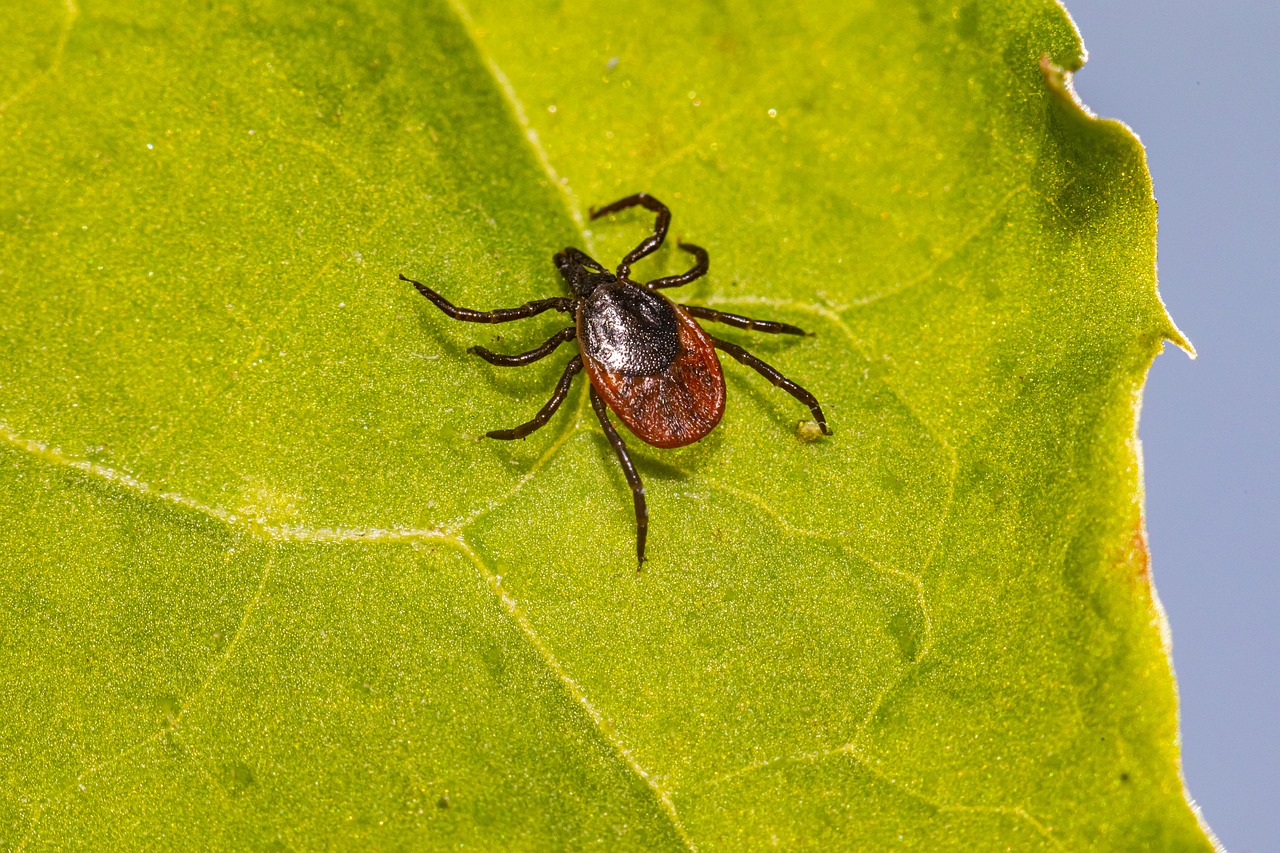
Lyme disease poses significant health risks for dogs, caused primarily by a bacterium transmitted through tick bites, specifically the black-legged tick. This disease is prevalent in many regions, particularly where these ticks thrive. To protect your beloved canine companion, it is crucial to understand the nature and symptoms of Lyme disease. Early detection and treatment can lead to a favorable outcome, significantly improving a dog’s quality of life. Owners must be vigilant, especially during peak tick season, which varies by region. Regular checks after outdoor activities are essential to spotting ticks before they transmit any infections. Lyme disease can affect dogs of any age or breed, leading to joint pain, fever, fatigue, and loss of appetite. Untreated infections can result in severe health complications, including kidney disease. Therefore, understanding prevention methods, such as using tick preventatives and maintaining a clean yard, can reduce the risk and ensure your dog’s safety. Awareness of the symptoms combined with proactive measures can shield your pet from this dangerous disease.
Understanding the Symptoms of Lyme Disease
The symptoms of Lyme disease can vary widely among affected dogs, making it crucial for owners to be attentive to changes in their pets’ behavior and health. One of the most common signs is lameness, which can shift from limb to limb due to joint inflammation caused by the infection. Dogs might also exhibit signs of pain when touched or resist activities they once enjoyed, such as walks or playful outings. Other symptoms may include lethargy, lack of appetite, fever, and excessive thirst. Spinal pain, swollen lymph nodes, and potential kidney involvement may arise in advanced cases. Understanding these symptoms can help owners seek veterinary care promptly. Since Lyme disease can sometimes mimic other illnesses, diagnostic tests, including blood tests, help in confirming the disease and ruling out other conditions. After confirmation, veterinarians typically prescribe antibiotics, which can effectively treat the infection. It’s also essential to report any unusual signs to your veterinarian, as early intervention can significantly affect recovery chances and the dog’s overall well-being.
Preventing Lyme disease is more feasible than treating it after infection, underscoring the need for effective prevention strategies. Vaccination is one such preventive measure; however, it may not be available in every region. Discussing vaccine options with a veterinarian is beneficial, especially if you live in high-risk areas. The use of tick preventatives is vital, including topical treatments, collars, and oral medications designed to repel or kill ticks. Regular grooming and inspections after outdoor activities help maintain tick control and can catch any ticks before they attach. Yard management plays a crucial role in prevention; keeping grass trimmed, removing leaf litter, and creating a barrier can help deter tick populations. Additionally, avoiding densely wooded and tall grassy areas when possible minimizes exposure. Educating yourself about typical tick habitats will fortify preventive measures. If you notice any indications of ticks, promptly remove them using tweezers, grasping the tick close to the skin surface. Dispose of the tick properly to prevent any disease transmission. Overall, adopting a comprehensive preventive approach will significantly reduce the chances of your dog contracting Lyme disease.
Treatment Options for Lyme Disease in Dogs
Treatment for Lyme disease typically involves antibiotics, with doxycycline being a common choice. The duration of treatment can vary but usually lasts several weeks, depending on the individual dog’s condition and response to medication. Clinical signs often begin to improve within 48 hours after starting the treatment, indicating that the antibiotic is effective. Veterinary follow-up is vital to ensure the treatment is proceeding well and to monitor for any emergence of secondary conditions related to kidney issues or arthritis. While most dogs respond positively to treatment, some might suffer from lingering symptoms once the infection has cleared, known as post-Lyme disease syndrome. This condition may manifest as persistent joint issues or other unexplained health concerns, necessitating further veterinary assessment and care. Supportive care, such as pain management and physical therapy, may help dogs recover fully. Additionally, incorporating a healthy diet and regular exercise contributes to overall well-being, boosting the immune system. Owner vigilance in recognizing any recurring symptoms ensures that your dog remains healthy and happy after treatment.
Lyme disease not only affects individual dogs but can also impact the overall dog population in certain regions, particularly those densely populated with deer and other wildlife. In areas where Lyme disease is prevalent, dog owners must be proactive in safeguarding their pets. Community awareness, vaccination initiatives, and public education can effectively mitigate the spread of Lyme disease among dogs. Owners are encouraged to participate in local awareness campaigns or contribute to community efforts aimed at managing tick populations. Efforts such as tick tagging programs promote proper checks and encourage responsible pet ownership. Collaborating with local veterinarians and wildlife services helps provide significant insights on mitigating Lyme disease risks. In addition, creating public spaces that minimize tick presence ensures safer environments for pets and community members. As Lyme disease continues to affect canine health, it is vital for every dog owner to remain informed and involved. Sharing success stories of prevention and treatment can inspire others to prioritize their pets’ health and safety, ultimately reducing the disease’s prevalence among dogs in local areas.
Final Thoughts on Lyme Disease and Dog Care
In conclusion, awareness and education about Lyme disease are imperative for dog owners. This disease presents severe health risks that can impact any dog, and vigilance is essential for prevention and early detection. By understanding the symptoms and potential complications of Lyme disease, owners can make informed decisions regarding their pets’ health. Prioritizing tick prevention through vaccines and effective preventatives creates a protective environment for your dog. Frequent checks for ticks and prompt veterinary care at the first sign of symptoms ensure that the disease can be managed effectively. Community involvement also plays a significant role in reducing Lyme disease prevalence, fostering an environment focused on shared responsibility among pet owners. Advocating for responsible pet ownership creates an ecosystem where dogs can thrive, minimizing the impact of tick-borne diseases. Ultimately, a proactive approach to dog health, combined with community efforts, provides the best chance of controlling Lyme disease and ensuring that our canine friends live happy, healthy lives. Dog owners can help secure their pets’ futures with vigilance, education, and community engagement.
Taking the necessary steps to protect your dog from Lyme disease helps preserve their health and enriches their quality of life. Knowledge about the disease, its symptoms, and the most effective prevention methods arms dog owners with the tools needed to keep their pets safe. Establishing a robust relationship with a veterinarian ensures access to appropriate preventative measures and timely treatments when necessary. Additionally, fostering awareness about Lyme disease within the local community can positively impact the lives of both dogs and their owners. Increased participation in local veterinary initiatives and tick-control programs helps build safer environments as well. Remember to monitor your dog’s health continuously and remain active in their preventive care. Engaging in discussions about experiences with Lyme disease and preventive success stories may encourage others to prioritize their pets’ well-being as well. The journey to fight Lyme disease is ongoing, and dog owners must remain dedicated to elevating health standards for their furry companions. By committing to education, proactive measures, and community action, we can significantly reduce the risks associated with Lyme disease and enhance the lives of our beloved dogs.
As Lyme disease continues to impact dogs worldwide, ongoing research and developments in treatment present hope for affected pets. The veterinary community works tirelessly to improve prevention methods, vaccine development, and management of Lyme disease for both dogs and humans. Staying informed about new findings can empower dog owners to adapt their practices accordingly, ensuring their pets receive the best care possible. Alongside combating Lyme disease, fostering general pet health, nutrition, and wellness should remain a top priority for all pet owners. Regular veterinary visits, proper vaccinations, and heartworm prevention are essential in maintaining overall dog health. Utilizing online resources, discussions with veterinarians, and community support can guide pet owners in navigating the complexities of canine health challenges. Ultimately, awareness and education about Lyme disease will continue to evolve. Thus, it is essential for dog owners to engage with the latest information and stay actively involved in safeguarding their pets. A strong commitment to health and well-being will cultivate happier, healthier canine companions across the globe, minimizing the burden of Lyme disease, and promoting longevity and vitality in our cherished pets.