
How to Choose the Perfect Cat House for Your Aging Feline
As our feline companions age, their specific needs evolve, including their desire for comfort and security in their living environment. When selecting a cat house for senior cats, it’s crucial to consider several factors. First, the size and layout of the house must accommodate the cat’s physical limitations. Smaller doors and steps should be avoided, as towering structures or complicated exits may be challenging for an aging cat to navigate. Furthermore, a gentle slope or a low entrance can provide better access. The materials used should also prioritize warmth, as older cats often struggle to maintain body heat. A soft, insulated house can help keep your furry friend cozy during colder seasons. Soft bedding that supports joints is equally important. Moreover, consider placing the house in a quiet area, giving your cat a sense of security while also ensuring easy access. Evaluate the design as well; an enclosed house with adequate ventilation can create a safe haven for your senior cat. By choosing wisely, you can provide a comforting space that fosters your older cat’s well-being.
Type of Cat Houses
Cat houses come in various styles, and the right choice greatly depends on your senior cat’s preferences and needs. Enclosed types provide an element of security and warmth, offering solace from common household stressors. These include soft-sided or insulated houses perfect for napping and relaxation. The traditional cat house is an excellent option for those who prefer a more structured environment with sturdy materials like wood or plastic. Such houses are easy to clean and maintain, crucial for older cats with potential mobility issues. Additionally, consider elevated cat houses, as they can facilitate easier access for your senior cat. Some are specifically designed with ramps or steps for seamless entry without strain. Meanwhile, outdoor options should be researched concerning weatherproofing. Providing shelter from rain and sun is essential for an aging feline that needs to venture outdoors occasionally. Cats can also benefit from heated houses for the colder months, ensuring a comfortable temperature. Ultimately, whether you choose a cozy cave or an elevated perch, the key is to prioritize your senior cat’s unique comfort needs.
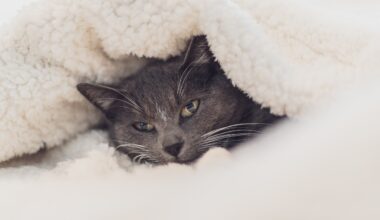
Aside from structure and style, the interior of the cat house is just as vital for older cats. The comfort of the bedding can make a significant difference in the quality of the space. Memory foam or orthopedic cat beds are ideal, as they provide substantial support to stiff limbs and sore joints. To further enhance comfort, using blankets or soft fabrics can create a haven that is inviting and warm. Additionally, consider adding removable liners for easy cleaning while maintaining hygiene and freshness. If your cat tends to go outside of the house, a pee pad inside the house can provide further protection against accidents. Moreover, incorporating familiar scents can encourage your cat to use the house happily. Feline pheromone sprays ensure a sense of calm in a new environment. It’s important to keep the entrance clear of obstacles, ensuring easy access for a senior cat struggling with mobility. By creating a comfortable interior, you can promote relaxation, ultimately improving the quality of your senior cat’s life and ensuring a peaceful resting place.
Safety Features to Consider
When selecting a cat house for senior cats, safety features should be of paramount importance. One key element is ensuring that the structure is stable; it shouldn’t wobble or tip over easily. Non-slip bases can prevent unintended accidents, particularly in older cats prone to falls and slips. Also, check for any sharp edges or hazardous materials; the right house should be constructed from non-toxic substances. Avoid any elements that could potentially injure your cat, like loose parts or small pieces that could be swallowed. Additionally, ventilation is another crucial aspect. Good airflow helps reduce the risk of overheating. Look for windows or vents that assure a proper flow of fresh air while maintaining security. If the cat house has multiple entrances or exits, that can enhance escape routes, which is particularly beneficial for skittish felines. Providing ample space for maneuverability further protects your cat from unnecessary stress. Remember, seniors often seek comfort and safety, so prioritize their peace of mind in selecting your cat house choices.
Lastly, we must consider location. The placement of the cat house is essential in providing the right environment for your senior feline. Choose a spot that is away from loud noises or high-traffic areas in your house, as quiet locations foster relaxation. Cats are territorial, so offering a comfortable corner can help them feel secure. Additionally, ensure the area is warm and free from drafts, particularly during colder months. Outdoor cat houses should be positioned away from direct sunlight or heavy rain. Instead, opt for shaded regions with protected areas from harsh weather elements. It’s also wise to monitor the house’s proximity to your daily activities. While a secluded space is important, your senior cat might still want easy access to you. Therefore, find a balance between a hidden nook and a community area. A visible corner provides social interaction while still allowing privacy when needed. By carefully selecting the location, you can encourage your aging cat to enjoy their time in the house while maintaining a feeling of safety and security.
Encouraging Usage
After finding the perfect cat house, the next step is encouraging your senior cat to use it consistently. One effective method is to make the space appealing through gradual introductions. Start by placing your cat’s favorite toys and treats inside to ignite curiosity. Positive reinforcement plays a substantial role; reward your cat when they venture inside the house. Consistency is crucial, so gently encourage your cat to associate the house with fun and relaxation. Creating a warm atmosphere is also vital; adding soft bedding or a familiar blanket can create a welcomed space. You might even consider using catnip to attract them into the new house. This can entice older cats, stimulating their instincts. Additionally, maintaining a routine can help your cat feel comfortable in their new space. Offering meals near the house may encourage them to explore. If your cat initially shows resistance, be patient and give them time to adjust. Gradually, your senior cat will realize the house is a safe, pleasant retreat, fostering a healthy bond between them and their new home.
In conclusion, creating an ideal cat house for a senior feline is a thoughtful process that requires understanding and consideration of their unique needs. From structural security to comfortable interiors, each aspect of the house matters. Be mindful of safety features while incorporating appealing elements that encourage usage. Moreover, consider the house’s layout and provide easy accessibility for older cats with mobility concerns. A cozy and secure environment will greatly enhance your aging cat’s quality of life. Remember, your cat’s comfort and happiness directly contribute to their well-being. Invest time in selecting the right house that addresses their specific needs and preferences. By offering a safe, warm, and comfortable space tailored to your senior cat, you provide them with a haven where they can rest, relax, and thrive. Doing so not only enriches their lives but strengthens the bond between you and your beloved feline companion. Ultimately, your investment in a suitable cat house will create a tranquil environment, promoting longevity and happiness in your furry friend.
As our feline companions age, their specific needs evolve, including their desire for comfort and security in their living environment. When selecting a cat house for senior cats, it’s crucial to consider several factors. First, the size and layout of the house must accommodate the cat’s physical limitations. Smaller doors and steps should be avoided, as towering structures or complicated exits may be challenging for an aging cat to navigate. Furthermore, a gentle slope or a low entrance can provide better access. The materials used should also prioritize warmth, as older cats often struggle to maintain body heat. A soft, insulated house can help keep your furry friend cozy during colder seasons. Soft bedding that supports joints is equally important. Moreover, consider placing the house in a quiet area, giving your cat a sense of security while also ensuring easy access. Evaluate the design as well; an enclosed house with adequate ventilation can create a safe haven for your senior cat. By choosing wisely, you can provide a comforting space that fosters your older cat’s well-being.