
Impact of Medications on Feline Urinary Health
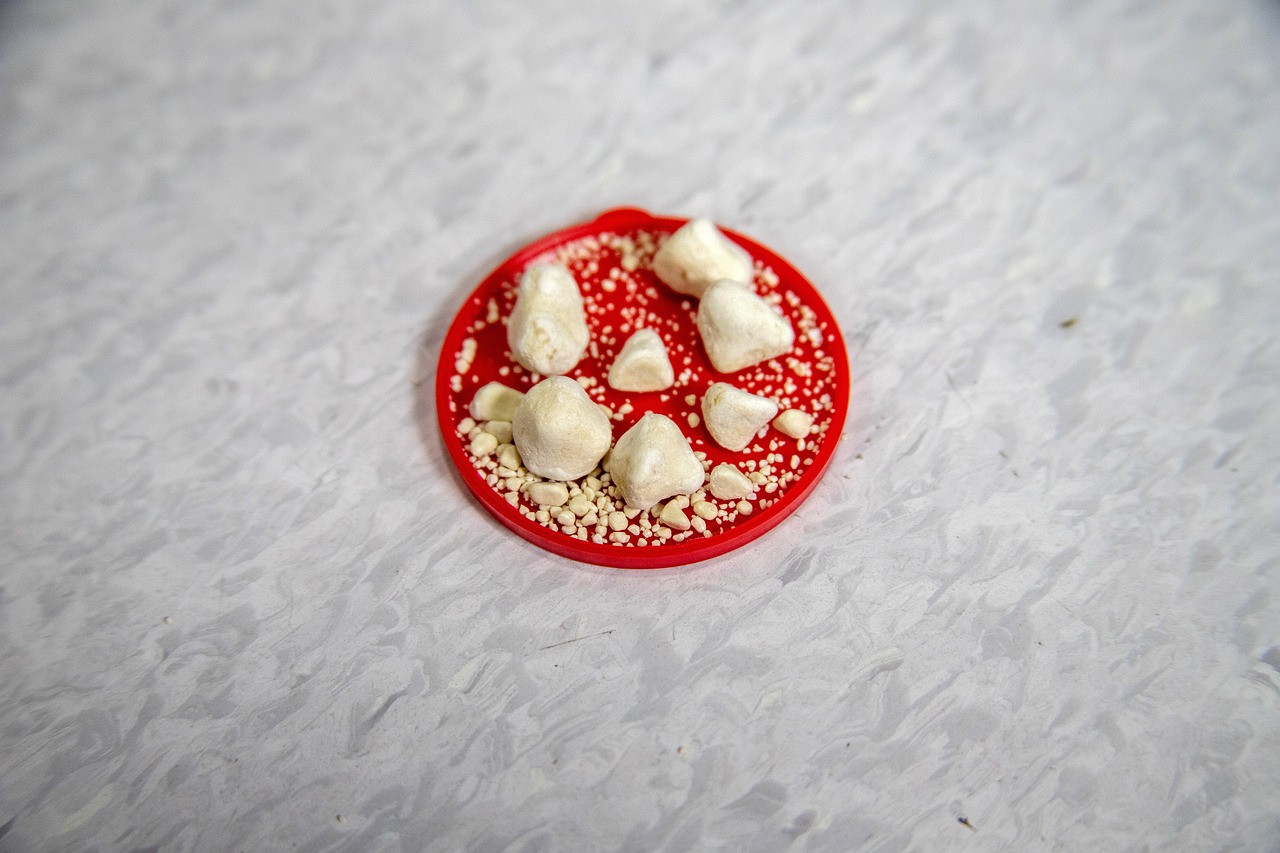
Feline urinary health is a crucial aspect of overall cat wellness, often influenced by various factors including diet and lifestyle. One significant factor in maintaining urinary health is the medication administered to cats suffering from specific urinary conditions. Medications can help manage symptoms related to urinary tract issues, prevent infection, and reduce inflammation. Common urinary problems affecting cats include urinary crystals and infections, both of which can lead to severe discomfort or additional health complications if left untreated. Veterinarians may prescribe medications, including antibiotics or anti-inflammatory drugs, to alleviate these concerns. While medications are essential, it’s vital for cat owners to understand their role in a comprehensive treatment plan. Alongside medication, paying attention to dietary needs and hydration can greatly aid urinary health management. Regular veterinary check-ups and monitoring of a cat’s urinary habits provide essential insights into their health status. Furthermore, owners should remain aware of any potential side effects associated with the prescribed medications, as some may affect a cat’s appetite or behavior. Proactive management can significantly enhance a cat’s quality of life and reduce the risk of recurrent urinary issues.
When considering medications for urinary health, it’s important to recognize that they can have varying effects on individual cats. Not all cats will respond similarly to medication, based on genetics, diet, and overall health condition. The most common medications prescribed for feline urinary health often include both antibiotics and dietary acidifiers. Antibiotics target bacterial infections, while acidifiers help dissolve urinary crystals that may form in the bladder. The appropriate medication should always be determined by a licensed veterinarian who can assess the cat’s specific needs and health status. Monitoring the cat’s response to medication is crucial, as any adverse effects should be reported to the vet promptly. Owners should also consider the importance of maintaining a stress-free environment for their cats, as stress can exacerbate urinary issues. A stable home environment that allows the cat to thrive can work in conjunction with medication, providing a holistic approach to urinary health management. Additionally, it’s essential to regularly evaluate the cat’s hydration levels and encourage water intake, as proper fluid consumption aids in urinary tract health. Careful attention to these factors can lead to a more effective treatment plan.
Diet greatly influences urinary health in felines, particularly when medications are involved. Certain diets may be recommended by veterinarians, contingent upon the specific urinary health issues a cat faces. Prescription diets are often created to maintain urinary acidity and reduce the formation of crystals. The integration of these diets with veterinary medications can enhance treatment efficacy. Some medications may require adjustments in the cat’s diet to prevent potential interactions or side effects. Owners should always consult with their vet before changing their cat’s diet, especially when medications are prescribed. It’s also beneficial to feed cats wet food, as it contributes to their overall hydration. Increased moisture in their diet can help dilute urine and minimize the risk of crystal formation. Ultimately, employing a combined strategy involving the right medications and appropriate diet is key in promoting better urinary health in cats. Regular monitoring of the cat’s urinary behavior, appetite, and overall health contributes greatly to assessing how effective the overall approach is. Such diligence ensures that any issues can be swiftly addressed, leading to improved feline health outcomes.
Natural Remedies vs. Medications
The debate between using natural remedies versus medications for feline urinary health remains prevalent among pet owners. On one hand, some owners prefer natural approaches that involve herbs or dietary supplements. Herbs like cranberry, dandelion, and marshmallow root may be considered beneficial by some, aimed at promoting urinary health. However, it’s essential to recognize that while natural remedies can be helpful, they should not replace conventional medications without veterinary guidance. A professional assessment is necessary, as the efficacy of these remedies can vary greatly, and some may not be scientifically validated. Combining both approaches, where appropriate, can also be highly effective. For instance, using a natural supplement alongside prescribed medication could support urinary tract health while also addressing any underlying dietary issues. Nevertheless, any decision to incorporate natural remedies should be made with the veterinarian’s oversight to avoid interactions with medications. Maintaining open communication with the vet about any alternative remedies employed will ensure that your cat’s health remains the top priority throughout the treatment process. A tailored approach offers the best chance for optimal urinary health and overall wellbeing for your feline companion.
As medication impacts a cat’s urinary health, awareness of potential side effects is necessary. Depending on the medication type and duration of use, cats may experience gastrointestinal upset, changes in appetite, or even more severe reactions in rare instances. Monitoring the cat during the medication regimen allows owners to identify these side effects early, ensuring timely veterinary intervention when necessary. Regular follow-ups with the veterinarian will also provide an opportunity to reassess the treatment plan as needed. Some medications may require dosage adjustments based on the cat’s response, weight changes, or overall health updates. Furthermore, it’s vital to ensure the medication is administered correctly, as improper dosing can lead to negative outcomes. Owners should always follow the prescribed instructions meticulously and consult regarding any difficulties experienced while administering medications. In cases where side effects persist, alternative treatments or medications should be considered. Building a strong relationship with the veterinarian will facilitate effective communication regarding the effects of any given medication. Ultimately, proactive monitoring can greatly enhance a cat’s overall experience with medications and contribute positively to their urinary health journey.
Preventive Measures for Cat Owners
Besides medications, there are several preventive measures cat owners can undertake to promote urinary health proactively. Firstly, ensuring that your cat has access to fresh and clean water is a fundamental aspect of urinary health. Hydration helps dilute the urine, thereby reducing the risk of crystal formation and infections from developing. Furthermore, providing adequate litter box access is crucial, as it promotes frequent urination that naturally flushes the urinary system. Clean litter boxes also encourage cats to utilize them regularly, emphasizing the importance of maintaining a hygienic environment. Regular veterinary check-ups can catch urinary health issues early. Moreover, owners should remain vigilant regarding any signs of urinary distress—such as straining to urinate, frequent trips to the litter box, or changes in urine color. If these symptoms arise, prompt consultation with a veterinarian is crucial. Lastly, investing time in interactive play and providing a calm environment for the cat greatly aids psychological wellbeing. A happy, low-stress cat is likely to exhibit improved physical health, which encompasses their urinary health. Practical and preventive steps can build a strong foundation for a cat’s ongoing urinary wellness.
In conclusion, the impact of medications on feline urinary health is a multifaceted issue that requires consideration of various factors. While medications serve an essential role in managing urinary health, they should always be part of a broader strategy that includes diet, hydration, and preventive care. Owners must engage proactively with their veterinarians to ensure the medications prescribed align with their cat’s overall health needs. The interrelation of medications, dietary adjustments, and supplements plays a crucial role in achieving optimal urinary health. In addition, it is equally important for the owner to stay informed about the medications used and their potential side effects. Engaging in an open dialogue with a veterinarian enables owners to adjust treatment plans as necessary, reinforcing a holistic approach to feline care. Cats are beloved companions, and their health is a responsibility that requires diligence and commitment. Ultimately, a combination of education, proper management, and veterinary support paves the way for maintaining and enhancing feline urinary health, allowing cats to live longer and happier lives. A proactive approach will always yield the best results, ensuring your feline friend thrives.
Ensure your cat receives the right care and intervention regarding urinary health.