
Nutrition Guide for Maintaining a Healthy Puppy
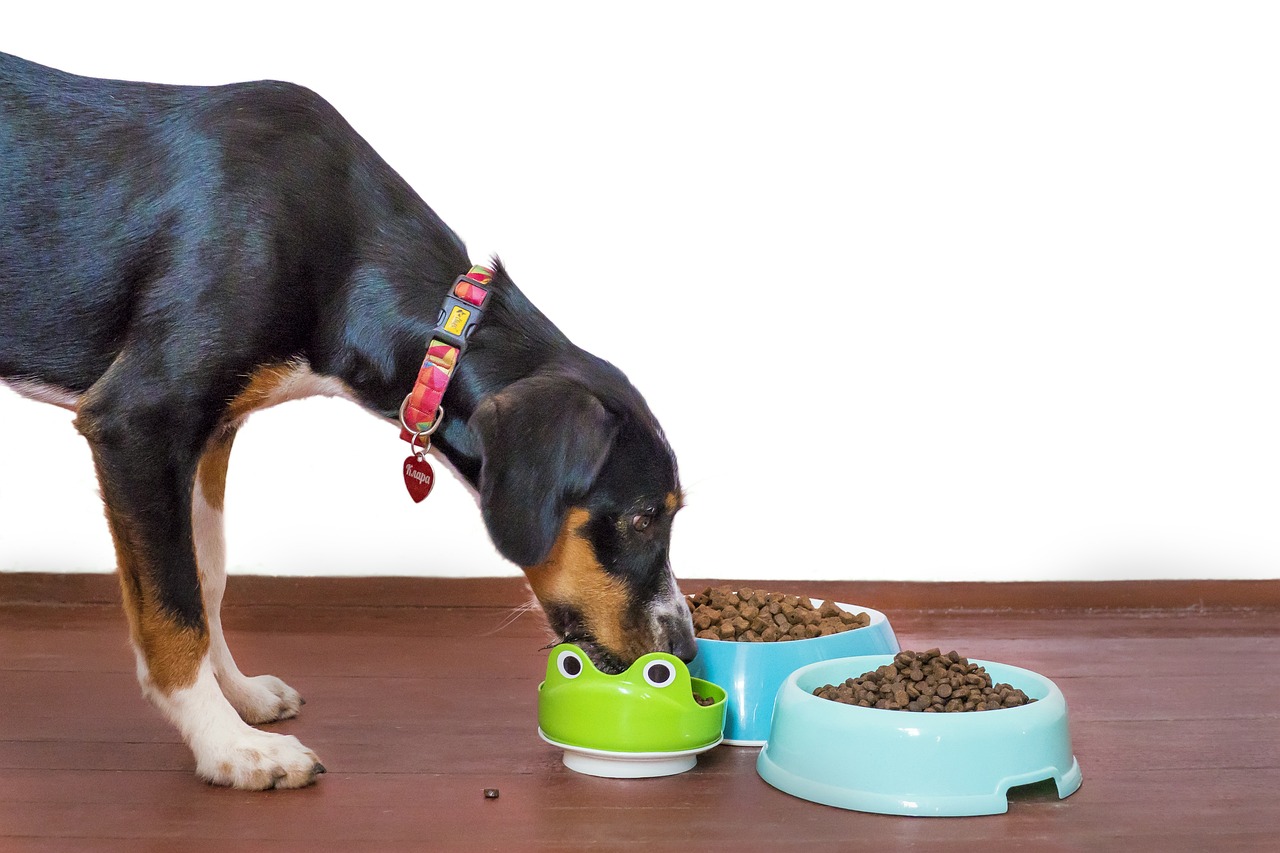
Proper nutrition is fundamental to ensuring your puppy grows up healthy and strong. Feeding your puppy a balanced diet is essential for multiple reasons, such as supporting their immune system and vital organ functions. When selecting food for your puppy, look for high-quality commercial dog food that lists meat as the primary ingredient. Understanding the nutritional requirements of puppies is crucial; they need not only protein but also healthy fats, carbohydrates, vitamins, and minerals. Overfeeding or underfeeding can lead to various health issues. It’s vital to understand the proper portion sizes based on your puppy’s age, breed, and activity level. Consult your veterinarian for personalized advice, which is particularly important for unique breeds with different nutritional needs. Additionally, monitor their weight regularly to make adjustments to their diet as necessary. Remember, hydration is also important; always provide fresh water, especially if your puppy has a high protein intake. A nutritious diet lays a solid foundation for your puppy’s lifelong health and wellness.
It’s essential to choose age-appropriate food for your puppy to meet their developmental needs. Puppies have different dietary requirements than adult dogs, as they require more calories and specific nutrients to facilitate growth. For example, a puppy is expected to consume around 4-8 meals a day during their early months. As they grow older, you can gradually decrease the frequency of meals to two or three times daily. Keep in mind that different breeds may require explicit dietary adjustments, so consult breed-specific nutritional guidelines for optimal feeding. Read the labels carefully; high-quality dog food should contain appropriate ratios of protein, fat, and fiber. Avoid fillers such as corn and wheat, which offer little nutritional value and can lead to allergies. When introducing a new food into your puppy’s diet, do so gradually to prevent gastrointestinal upset. Start with a mix of their current food and the new food, gradually increasing the new food while decreasing the old food over about one week. This gradual change will help your puppy adjust to the new formulation without digestive issues.
Understanding Nutritional Labels
Educating yourself about nutritional labels on dog food is critical for ensuring you make the best choices for your puppy’s health. Companies often use marketing tactics that can be misleading, so pay close attention to ingredients and nutritional content listed on the packaging. The first ingredient should ideally be a source of protein, such as chicken, beef, or fish, never a vague term like “meat by-products.” Look for supplemental ingredients such as omega fatty acids, which are beneficial for a shiny coat and healthy skin. Consult a vet for recommendations tailored to your puppy’s specific breed or health issues. Another factor to consider is the caloric content of the food; select a food that balances calories relative to your puppy’s activity level. You should also avoid foods with too many fillers or artificial preservatives. Organic options can be healthy, but ensure they meet your puppy’s nutritional requirements. Being well-informed about what goes into your puppy’s food will help you form a diet that promotes long-term health.
Maintaining a healthy balance of nutrients is essential; therefore, consider supplementing your puppy’s diet with nutritious snacks. Healthy treats can be made from fruits and vegetables, such as carrots, blueberries, or apple slices. These not only provide a low-calorie alternative to commercial treats, but they also introduce a variety of vitamins, minerals, and anti-oxidants. Just remember to avoid items that are toxic to dogs, such as grapes, onions, and chocolate. Always opt for small, bite-sized options to allow for easy chewing and digestion, especially for smaller breeds. Additionally, using training treats should not contribute more than 10% of your puppy’s daily caloric intake. This way, you’ll avoid imposing unnecessary weight gain caused by overindulgence in unhealthy snacks. It’s possible to promote good behavior while also prioritizing your puppy’s health. Always consider the freshness of your treats; stale items can lead to digestive problems. You may want to make homemade dog treats, ensuring a healthy and delicious addition to your puppy’s regular diet.
Hydration and Its Importance
Water is vital for your puppy’s overall wellness and aids in digestion, nutrient absorption, and temperature regulation. Puppies are particularly susceptible to dehydration, which can lead to severe health issues. Ensure your puppy has access to fresh, clean water at all times. Always check their water bowl multiple times a day, especially during the warmer months and after playtime. If you’re concerned about their water intake, observe your puppy’s behavior; a lack of energy, dry gums, or excessive panting can indicate dehydration. You can also introduce water-rich fruits and vegetables into their diet, such as cucumbers and watermelon, but always in moderation. Avoid offering sugary drinks or human foods with high salt content, as these can be detrimental to your puppy’s health. Monitoring the water quantity they consume is essential, especially if they are switching from kibble to wet food, as the wet food may impact their water intake. Proper hydration will contribute greatly to their development and maintain a normal level of energy throughout the day.
Routine veterinary check-ups are an essential part of managing your puppy’s health. Regular visits will ensure your puppy receives necessary vaccinations and health screenings to mitigate potential health risks. Vets can also offer tailored advice on dietary changes as puppies grow and their nutritional needs shift. It’s essential to ensure your puppy is receiving all necessary macro and micronutrients required for their age to support optimal physical development. Keep track of their growth rate after each check-up and inform your veterinarian of any abnormalities or concerns. Early identification of potential issues can make a significant difference in treatment efficacy. Additionally, keeping vaccination records is vital; this can help you secure necessary services or housing when required. Ensure that your puppy’s diet aligns with any special considerations suggested by your vet. Proper nutrition not only alleviates health problems but also enhances your puppy’s quality of life. Investing in vet check-ups and adhering to dietary guidelines will result in a happy, healthy dog.
Final Thoughts on Puppy Nutrition
Ultimately, nurturing a healthy puppy through good nutrition is an investment in their future. Every puppy is unique, and what works for one may not suit another; therefore, personalizing your puppy’s diet according to their breed, size, and lifestyle is crucial. Adopting a holistic approach, including regular exercise and mental activities, will also complement proper nutrition and solidify the overall wellbeing of your puppy. Be patient and consistently monitor their progress and behavior to make necessary dietary adjustments over time. You may want to keep a food diary; documenting what they eat can help you spot trends and preferences that build a successful long-term feeding strategy. Caution is necessary for any changes; alterations to their diet should always be gradual to avoid gastrointestinal distress. Finally, remember to consult your veterinarian for advice, ensuring you are creating a balanced and suitable diet. Commit to educating yourself on pet nutrition, and you will be rewarded with a lifelong bond with a healthy, vibrant puppy.