
The Science Behind Cat Agility and Obstacle Training Gear
Understanding the importance of agility training for cats can significantly enhance their physical and mental health. Agility training involves navigating various obstacles and challenges designed to improve a cat’s coordination, strength, and focus. As cats engage with agility equipment, they learn to respond quickly to commands and effectively navigate their environments. This form of training is not just about fun; it’s a structured way to keep your feline friend active and engaged, which is essential for various breeds. Additionally, using the right obstacle training gear provides immediate benefits such as improved fitness levels and more robust muscle tone. The gears can include tunnels, hurdles, and climbing ramps among others. Each piece of this equipment encourages adaptability, flexibility, and strengthens the bond between cat and owner. Regular practice also builds confidence in shy or anxious cats. Moreover, investing in quality training equipment ensures safety during sessions. When training becomes a regular part of their routine, your cat not only becomes more agile but also enjoys the mental stimulation that eliminates boredom and encourages healthy habits that can contribute to longevity.
The types of obstacle training gear available for cats vary widely in design, size, and purpose. Each item serves a specific function while contributing to a cat’s overall agility and dexterity. Common equipment includes cones, jump bars, and weaving poles that mimic natural behaviors to challenge your cat both physically and mentally. Selecting the perfect set for your feline companion should depend on their unique needs and interests. To enhance the experience, consider the following types of obstacles:
- Tunnels: These promote quick reflexes and confidence in tight spaces.
- Jumps: Bars or hoops improve jumping ability and coordination.
- Weave Poles: These help enhance balance and agility through weaving techniques.
- Platforms: Elevated surfaces encourage climbing and jumping, boosting overall strength.
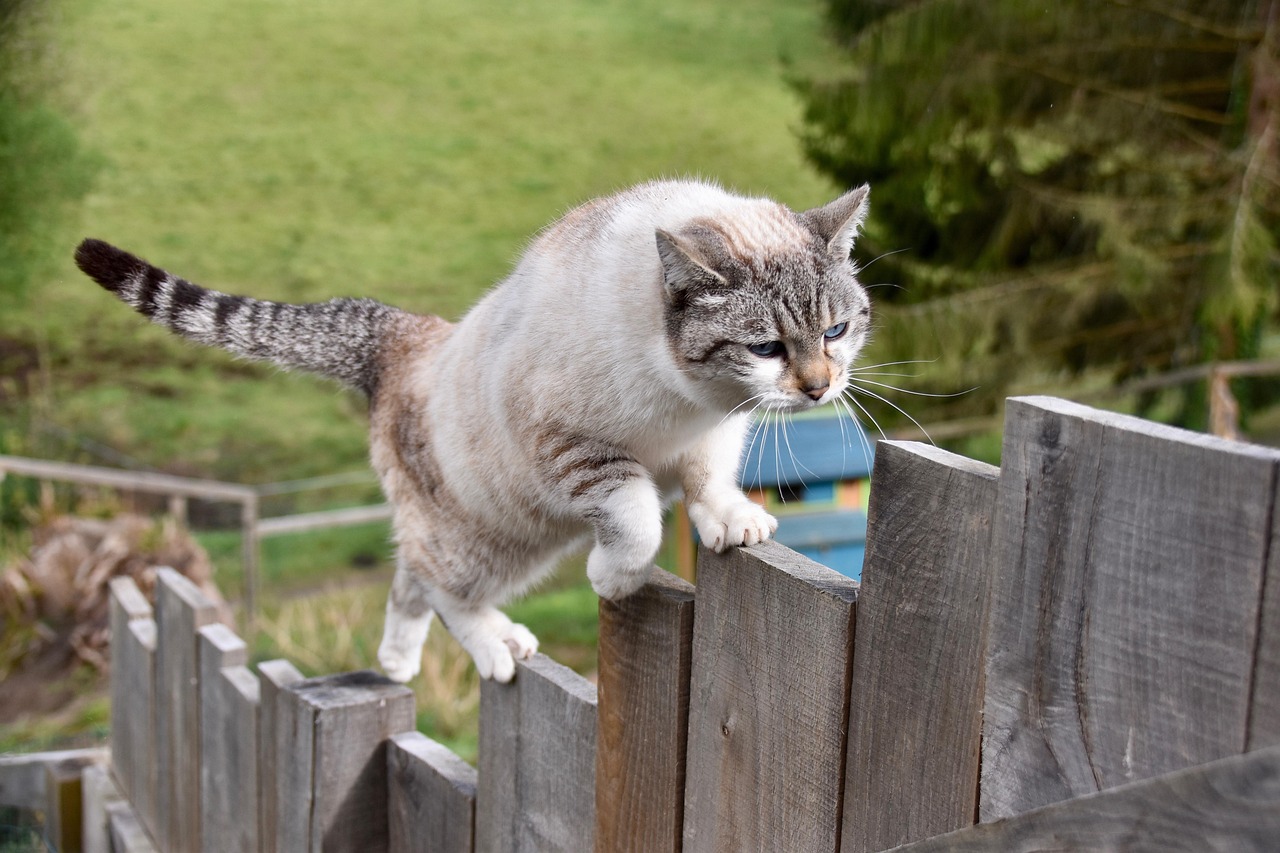
Each category of obstacle provides an opportunity for playful exercise while promoting vital skills. When your cat interacts with this equipment, they find joy through athleticism and accomplishment, fostering enthusiasm for more complex tasks over time. Thus, the right gear facilitates both fun and fitness.
Benefits of Cat Obstacle Training Gear
Engaging a cat with obstacle training gear presents numerous benefits extending beyond the surface level of play. Firstly, using such equipment plays a vital role in physical fitness by promoting regular activity. Cats are naturally inquisitive creatures, and training taps into this curiosity while enabling them to explore their surroundings in a new and exciting way. As they jump or weave through obstacles, they develop cardiovascular endurance and enhance muscle tone. Additionally, this type of exercise can significantly reduce the risk of obesity, a common issue faced by indoor cats due to sedentary lifestyles. Beyond physical health, mental stimulation is profoundly beneficial, as challenges force cats to think critically about their movements. Furthermore, these activities can promote behavioral improvements, increasing social confidence while decreasing anxiety and fearfulness. As a result, cats that regularly partake in agility challenges often exhibit less destructive behavior at home. Lastly, obstacle training gear allows owners to spend valuable bonding time with their pets, merging playtime and structured learning into one fulfilling experience as it encourages communication and trust in the owner-pet relationship.
Setting up an effective training space requires thoughtful consideration of both your cat’s skill level and the area available. Start by designating a safe and distraction-free environment outdoors or indoors, maximizing space according to the obstacles being used. Ensure there is enough room for your cat to comfortably move, leap, and explore without limitations. The choice of flooring can influence safety and performance; for example, soft grass or carpeted areas are optimal surfaces as they prevent injuries during missteps or falls. Gradually introducing obstacles fosters a sense of achievement, beginning with simpler tasks before advancing to more complex ones like jumps or tunnels. This gradual approach builds confidence and encourages exploration, allowing your cat to gain the comfort and security needed while navigating new terrains. Keep sessions short, around 10-15 minutes, to maintain their focus and enthusiasm while preventing exhaustion. Consistency in practice will significantly impact their agility over time. Also, offering positive reinforcement through treats or praise after successfully completing an obstacle can motivate them to engage eagerly in future training sessions, solidifying their mental and physical growth.
Choosing the Right Equipment
When it comes to selecting the right obstacle training gear for your cat, there are several factors to consider ensuring proper fit and functionality. First, examine the materials used in the construction of the equipment. Sturdy and lightweight materials provide durability while ensuring ease of movement for your feline friend. Look for options that are easy to set up and can be stored conveniently when not in use. Explore versatile kits that adjust in height or shape to accommodate various skill levels. Additionally, safety features are paramount; rounded edges and non-slip bases can greatly reduce the risk of injury during training. Furthermore, consider your cat’s personality and preferences while choosing gear. For example, if your cat enjoys climbing, consider investing in multi-level platforms or climbing trees. If they prefer running and jumping, focus on hurdles and tunnels. Moreover, engaging visuals or textures can attract your cat to participate eager to explore new experiences. By choosing suitable equipment, you create an enriching environment that encourages playful engagement while supporting their physical and mental development.
Maintaining a consistent training schedule is critical, as it promotes steady development and supports positive routine for both you and your cat. To maximize results, consider incorporating agility training into your cat’s daily life rather than treating it as a separate endeavor. Aim for at least two to three short sessions each week, allowing for varied challenges that can keep your cat interested and engaged. Intermixing different obstacles during each session prevents monotony and fosters innovative problem-solving behaviors. Monitoring your cat’s progress ensures that the exercises remain stimulating; adjust the difficulty according to their performance levels and comfortability. Encouraging your cat through verbal praise or treats during challenging tasks reinforces their confidence while deepening your bond. Also, pay attention to your cat’s emotional response; if they show signs of stress or discomfort, reassess the training approach or equipment being utilized. Training should always remain a positive experience, promoting a sense of accomplishment. Keeping a journal documenting improvements, skill mastery, or difficulties encountered during sessions can help refine your training strategies over time.
Conclusion
In conclusion, cat agility and obstacle training can pave the way toward a more active, confident, and healthy lifestyle. With the right equipment and a dedicated approach, both you and your feline companion can enjoy the benefits of not only physical fitness but mental stimulation too. The diverse range of training gear available caters to varied tastes and abilities, ensuring every cat can find enjoyment while building agility skills. Motivating cats to engage in regular workouts paves the way for establishing an enduring habit that leads to improved overall well-being. As they manipulate their surroundings through obstacle challenges, they develop critical problem-solving abilities while forging a stronger emotional connection with their owners. Finally, celebrate the victories, big or small, along the journey, recognizing that the development of agility skills is a process requiring patience and encouragement. Invest time and love in this experience, and watch as your cat transforms into a nimble, enthusiastic participant in their training journey, ready to tackle new challenges with zest and confidence alongside their well-equipped human companions.
Creating a lasting routine with your cat builds trust and creates an enjoyable bonding experience. This transformation doesn’t just involve agility; it represents your effort in understanding your pet’s needs from playtime to training. Strengthening that bond through challenging yet playful training can result in positive behavioral attributes long after the obstacles are packed away. Ultimately, the journey into cat agility training sets the stage for a happier feline life, engaging both body and mind through thought-provoking and physically pleasing activities tailored for every cat’s unique personality.