
Using Reflectors and Diffusers in a Dog Photography Studio Setup
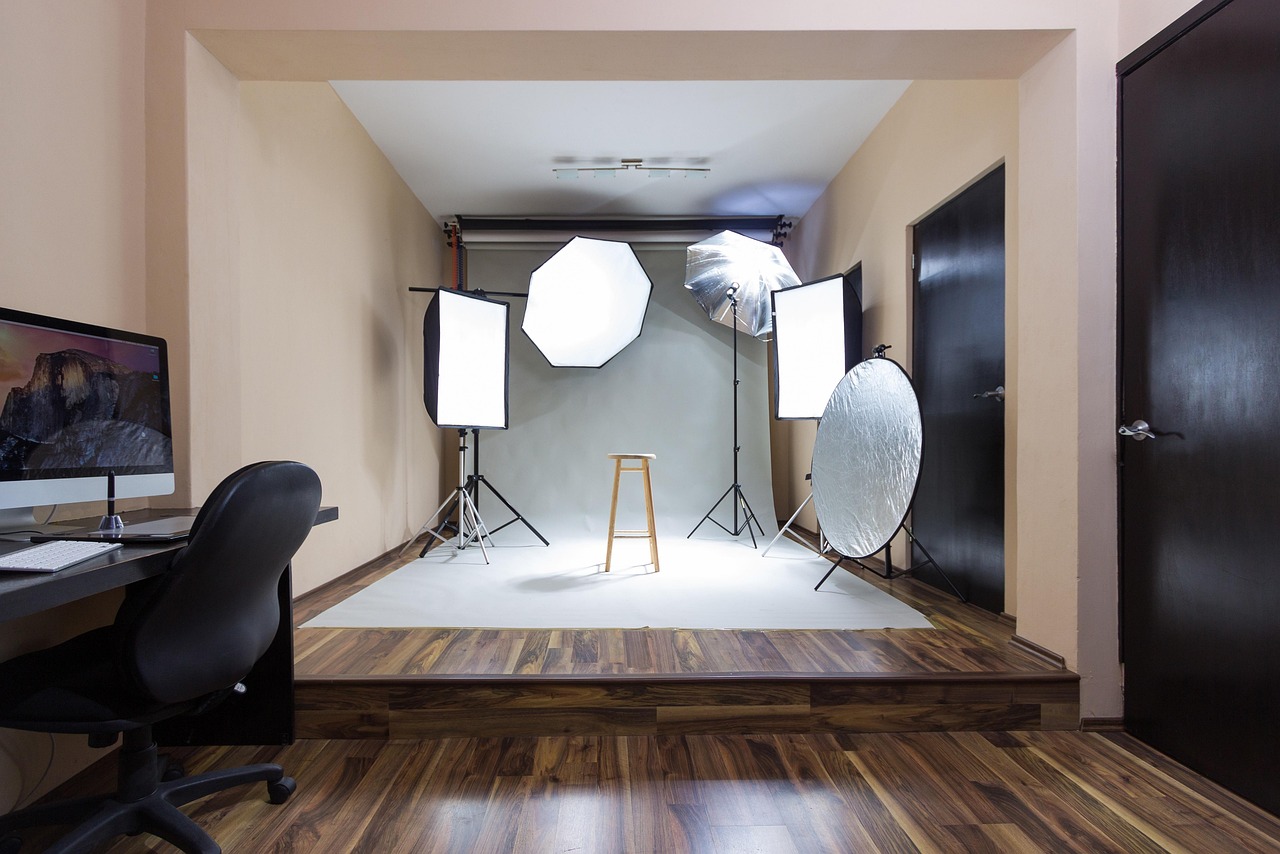
Setting up a dog photography studio requires thoughtful planning, especially when integrating reflectors and diffusers. These tools can have a significant impact on how your images look and can enhance the overall quality of your work. Reflectors are necessary to bounce light onto your subject, and they can be positioned in various ways to achieve the desired effect. For instance, a silver reflector gives a bright, crisp light, while a gold reflector provides warmth to the shot. By understanding these variations, you can choose the right one for your composition. Moreover, positioning the reflector at the right angle is crucial, as it helps in illuminating your dog’s features beautifully without causing harsh shadows. This makes it easier to capture their personality and essence accurately. Alongside, setting up diffusers can soften the light, making it more flattering and reducing glare. Using both tools in conjunction allows you to play with the light. This transformation can create stunning portraits that truly represent the beloved pet’s character. Therefore, it’s essential to familiarize yourself with these lighting principles to elevate your dog photography to new heights.
The placement of reflectors and diffusers can make a noticeable difference in dog photography results. When you’re shooting, pay close attention to the environment surrounding your dog to identify the best spots to set up these tools. Consider the direction of the light and the position of the dog. Ideally, you should have a light source like a window or artificial light in front of the dog. You can place a reflector on the opposite side to bounce light back onto the subject. The correct positioning of these tools can eliminate shadows and enhance color, creating a more dynamic image. To further refine your setup, experiment with different types of reflectors such as collapsible fabric sample reflectors that can be easily transported. Additionally, adding diffusers to your setup helps control the intensity of the light. You can use soft fabrics or professional diffusing sheets mounted on frames. This control over lighting ensures that your dog won’t be startled by harsh bright lights, allowing them to feel more relaxed and natural during the shoot, which ultimately leads to better photographs. Practice different configurations until you find the setup that works best for your specific space and style.
Understanding Reflectors
Reflectors are essential tools in pet photography; they help manipulate light in beneficial ways. Their ability to reflect sunlight or studio lights directly onto your dog can significantly enhance the overall picture quality. When you are out in natural light, choose a large reflector to maximize the effect. The larger the surface area, the broader the light beam, which translates into a softer appearance on the subject – perfect for capturing your dog’s playful expressions. When choosing a reflector, keep in mind the color and material. Each offers different light hues and intensities; for example, white reflectors create a neutral tone, while colored reflectors can add an artistic touch. These tools can also be easily made at home using affordable materials like cardboard or aluminum foil. Having multiple reflectors allows you to experiment with various setups and assess what complements your specific shooting style. Effective reflector use also requires practice, so don’t hesitate to try multiple angles and positions to see how the light transforms your dog’s appearance. It’s a learning curve every photographer should embrace as they develop their dog photography skills.
Diffusers are equally important as they soften the light’s intensity, resulting in more flattering images of your dog. Using a diffuser can help reduce the harshness of direct sunlight, leading to a more controlled, even light that showcases the animal’s texture and character. There are several types of diffusers available, from commercial-grade diffusion panels to DIY methods such as sheer white fabric. Set these panels between your dog and the light source to create a soft halo effect around your subject. This technique minimizes strong contrasts and enhances natural shadows, bringing depth to the image. Ensure you consider the size of your diffuser; larger diffusers provide a softer effect, whereas smaller ones maintain some specificity in lighting. Collaborating with both diffusers and reflectors in your studio setup allows for stunning results that accurately capture the breed’s characteristics and nuances. As you gain experience, you’ll learn which setups yield the best results based on your dog’s fur, coat colors, and individual traits. Regular practice will undoubtedly refine your skills and lead to astonishing outcomes in your dog photography endeavors.
Creating a Balanced Setup
For effective lighting in dog photography, achieving a balanced setup is crucial. Balancing light involves using both reflectors and diffusers cohesively to create a harmonious lighting environment. Start by analyzing the available light in your space, whether it is natural sunlight or artificial lights. You want to make sure your setup uses both reflectors and diffusers to prevent shadows and highlight your dog’s best features. A practical way to do this is to add a diffuser first to soften direct light, then position reflectors at strategic points to fill in shadows. This balance yields crisp details and rich colors without flattening your composition. Take time to position your diffusers at an angle that creates the desired light effect while adding reflector fill-in spaces where shadows appear. Each dog’s behavior and personality affect how they will interact with the light setup too. An understanding of the tools involved allows you to be creative with your dog’s photography shots. Employing this balanced approach not only enhances the visual appeal but ultimately elevates the dog’s personality and spirit within the frame.
It’s essential to assess how reflectors and diffusers impact your dog’s comfort during photoshoots. Dogs may react differently to the equipment based on their past experiences or unique personalities. It’s common for animals to feel uneasy or even anxious when faced with new equipment, especially when unexpected shadows or bright lights are involved. To minimize stress, reassure your dog with calming words and treats. Ensure your setup allows them to roam and engage comfortably without the gear intruding on their space. Furthermore, exploring various setups gradually gives the dog time to acclimate to the environment. Observing how they pose before, during, and after the shoot provides insight into their comfort level. Always be patient; the best photographs come when the dog feels relaxed and natural. When your dog is at ease, the resulting images will reflect their true personality – playful, refreshing, and heartwarming. Mastering the use of reflectors and diffusers takes time and experimentation, but it significantly contributes to your success as a dog photographer.
Final Thoughts
Mastering the art of using reflectors and diffusers in dog photography can immensely enhance the quality of your images. Understanding how to manipulate natural and artificial light will allow you to capture the subtle nuances of your dog’s expression and character. The combination of reflectors and diffusers works effectively when thoughtfully executed, creating ethereal images that stand out. Practice different lighting setups to discover what best suits your dog’s personality and creates compelling images. Through experimentation, you’ll learn about your photography style and refine your skills. Always evaluate your results to see how different placements affect the image’s overall quality. Additionally, consider maintaining a calm atmosphere during sessions to keep your furry friends comfortable, resulting in genuine moments. As you progress, don’t forget to share your work online. Embrace the feedback as it contributes to your growth as a pet photographer. Whether for personal projects, social media, or client work, a solid grasp of lighting techniques is foundational for capturing the splendid beauty of dogs through your lens. Enjoy the process and keep capturing the joy they bring into our lives.
Now that you are familiar with the techniques, gear up and get started on building your perfect dog photography studio. Ensure that your reflectors and diffusers are ready to help you capture beautiful, vibrant images. Remember, preparation and understanding of these tools are key components of your success story in dog photography. Happy shooting!