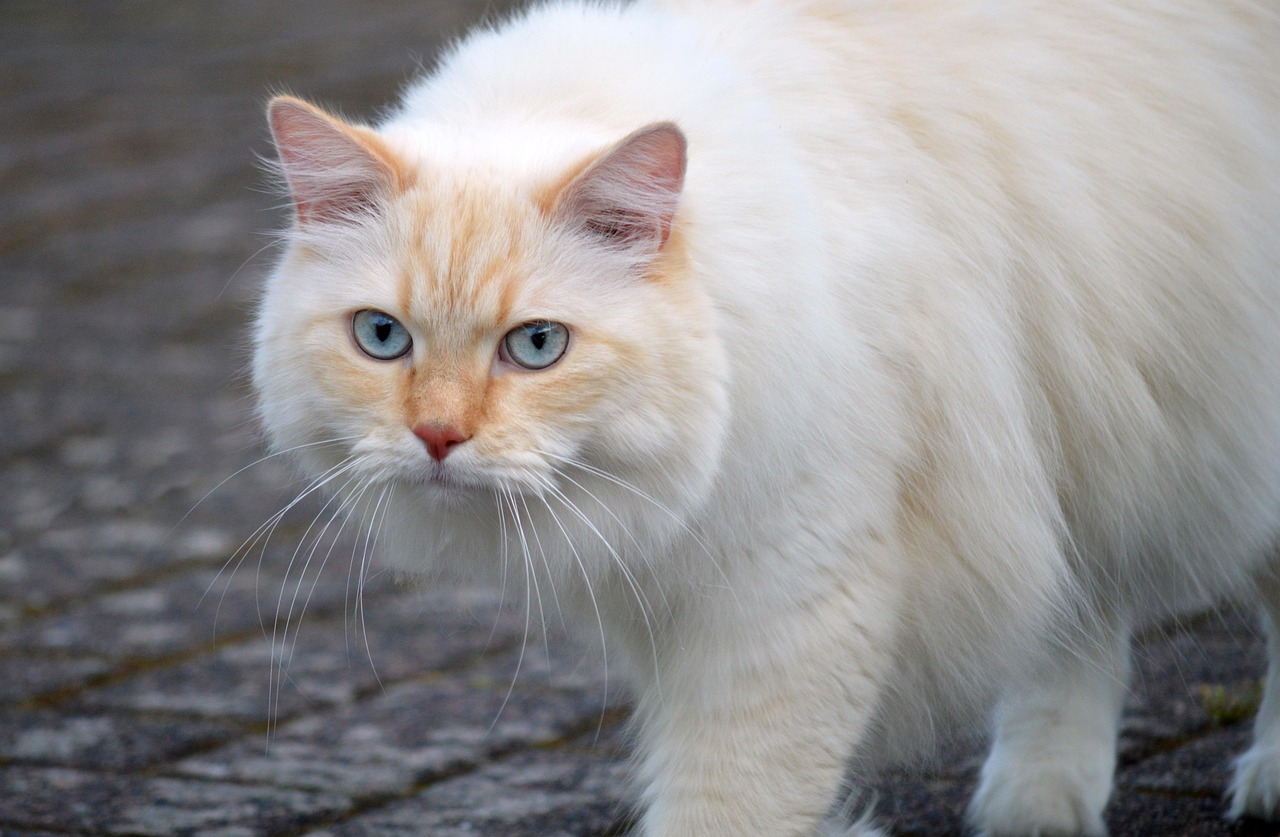

How to Tell if Your Cat is Stressed Through Their Body Language
Understanding your cat’s body language is crucial for recognizing when they are stressed. Cats are naturally sensitive creatures and their behavior can be greatly affected by changes in their environment. Observing their body language closely can provide valuable insights into their emotional state. For instance, a cat that is feeling stressed may display some telltale signs, such as flattened ears, dilated pupils, or a twitching tail. These physical manifestations are their ways of signaling discomfort or anxiety. Additionally, understanding how the positioning of their body changes can be just as important. Cats might crouch low, demonstrating their desire to remain hidden or escape potential threats. Recognizing these signals can help cat owners create a more comfortable environment, reducing anxiety for their feline friends. Regular monitoring of their body language and behavior can lead to deeper connections between you and your pet, promoting a healthier environment. In this article, we will explore various aspects of feline body language, particularly focusing on identifying stress. By being vigilant, you can ensure your cat remains calm and happy in your home.
One of the most apparent signs of stress in cats is their ears. When a cat’s ears are flat against its head, it often indicates discomfort or fear. This flattening can be a defensive response to stress. Conversely, if the cat’s ears are perked up and facing forward, it may be more curious or alert. Another critical aspect to assess is the cat’s tail position. A raised tail often signifies a confident, happy cat, while a low or twitching tail can indicate agitation or discomfort. It’s essential to observe these changes regularly and understand their implications in your cat’s behavior. Moreover, a cat whose body language exhibits defensive signals may be expressing fear or anxiety. Other signs of stress may include excessive grooming or hiding. When cats are stressed, they often groom themselves more than usual as a coping mechanism or resort to hiding to feel safer. Pay attention to these unusual behaviors, as they will guide you in ensuring your cat’s well-being. Ultimately, understanding these factors can make a significant difference in ensuring that your cat feels safe and secure.
Understanding Feline Facial Expressions
Cats communicate not just through their body but also through their faces. Subtle changes in their facial expressions can indicate their emotional state. For instance, a cat that is feeling relaxed may have a calm, slightly open mouth. In contrast, a cat that is stressed might have a tensed face with closed or tightened lips. Another critical area to comprehend is a cat’s whiskers; when a cat’s whiskers are pulled back against their face, it can suggest they are feeling threatened or uncomfortable. This reaction signals a cautious reaction to surrounding stimuli. Pay attention to these elements, as they provide essential context for your cat’s behavior. Additionally, observing if your cat’s eyes are squinted is equally notable. Squinting often represents relaxation and comfort, signaling trust in its environment. On the other hand, wide-open eyes can indicate alertness, aggression, or surprise. Taking the time to learn these expressions allows you to recognize stress signs effectively, which can be pivotal in maintaining a harmonious household that promotes your cat’s overall happiness. This understanding can deepen the bond you share with your feline companion.
Vocalizations often change when cats experience stress, making them a significant factor to consider. Under normal circumstances, cats may be relatively quiet, but a stressed cat may start vocalizing more, producing mews, yowls, or even growls. Each sound conveys a different feeling or need. For instance, an increased intensity in meowing could signal discomfort or distress. Monitoring these sounds can help you identify when your cat is not feeling secure. Some cats may even purr when they are stressed, contrary to the common belief that purring always signals contentment. This phenomenon can occur as a self-soothing mechanism. In addition, communication through body posture is equally important. A cat that is crouching low to the ground or hiding may be signaling a feeling of vulnerability or fear. Tail curling, whereby the tail wraps around the body, also indicates a cat that feels apprehensive. Understanding these vocalization nuances and variations helps you respond promptly to your cat’s emotional needs. By being attentive to these shifts in behavior, you can create an environment that fosters safety and reassurance for your feline friend.
Creating a Stress-Free Environment
To alleviate stress in your cat, it’s crucial to create an environment conducive to their well-being. Begin by establishing a consistent routine. Cats, being creatures of habit, thrive when they know what to expect. Providing them with a safe space, such as a cozy bed or quiet area, allows them to retreat when overwhelmed. Incorporating vertical spaces like cat trees can offer your feline friend a sense of security and independence. Additionally, integrating enriching elements in their environment is essential. Toys and puzzles stimulate a cat’s mind, helping mitigate stress by channeling their energy positively. Supplies such as scratch posts can assist in reducing anxiety while also promoting healthy behaviors. It’s also helpful to minimize loud noises or sudden changes that may startle your cat. For multi-pet households, ensure each pet has its own space to avoid territorial stress. Using pheromone diffusers can also ease tension, as they emit calming scents that can help reduce anxiety. Ultimately, an understanding of how to create an optimal living space will lead to a happier and less stressed feline.
In addition to environmental changes, monitoring your cat’s health is paramount for stress management. Illness or discomfort can significantly impact your cat’s emotional state. Regular veterinary check-ups can help detect potential health issues early on, preventing unnecessary stress. If your cat is exhibiting concerning behaviors, seeking a professional opinion can provide clarity and guidance. Stress can sometimes be exacerbated by pain or illness, making it essential to consider physical well-being along with emotional health. You should also be aware of dietary impacts on stress levels, as nutritional deficiencies can contribute to behavioral problems. Providing a balanced diet keeps your cat healthy and can positively affect their mental state. Furthermore, consider incorporating calming supplements or treats designed to reduce anxiety. Always consult with a veterinarian before introducing new products to ensure their safety and suitability for your cat. By prioritizing both health and wellness, you can greatly enhance your cat’s quality of life. Recognizing the interconnected nature of physical and emotional well-being will become integral in fostering a tranquil home environment for your feline companion.
Conclusion
In conclusion, deciphering your cat’s body language is invaluable in understanding their emotional state. Recognizing signs of stress, from ear positioning to vocalizations, empowers you to respond effectively to their needs. Adapting your cat’s environment, creating a stress-free space, and being attuned to their health are integral to their happiness. It’s essential to continue educating yourself about feline behavior and body language, leading to more significant insights and deeper connections with your pet. Engage in regular observation of your cat’s behaviors and create a safe haven where they can thrive. Cats possess unique personalities, and understanding them enhances the bond you share. By fostering an environment that caters to their needs, you promote their overall emotional well-being. Ultimately, recognizing stress signals through body language allows you to create a more harmonious living space. This attentiveness will lead to a happier cat, which can have positive ripple effects throughout your household. Through patience and understanding, you build mutual trust and companionship, ensuring your cat lives a fulfilling life in your care.
By focusing on these aspects of cat psychology, you not only improve your cat’s emotional well-being but also enhance the bond between you. It’s a rewarding endeavor that pays off in love and companionship.