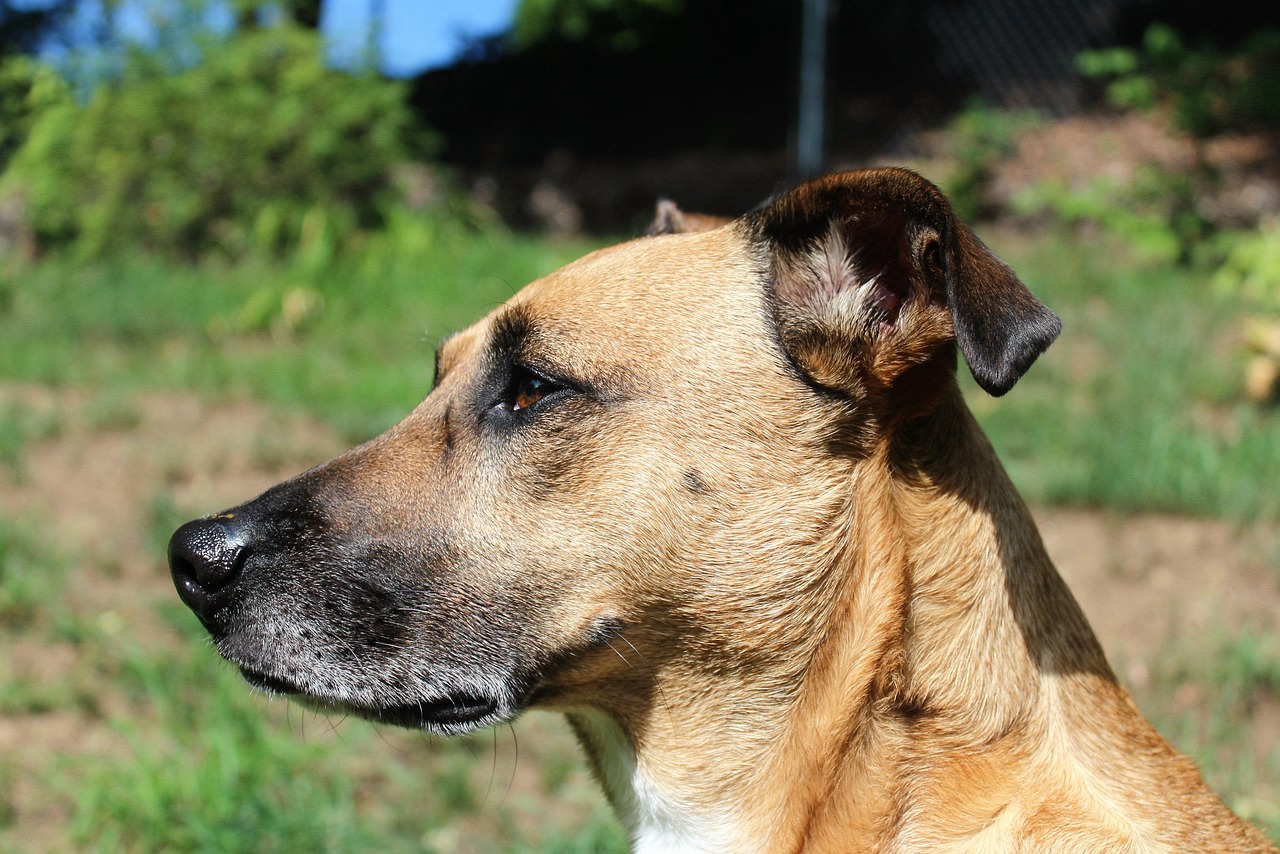

Predicting Adoptability: Behavioral Traits of Shelter Dogs
Understanding the behavioral traits of shelter dogs is essential for predicting their adoptability. Many dogs find themselves in shelters due to behavioral issues that may discourage potential adopters. Factors such as anxiety, aggression, and fear can significantly impact a dog’s ability to connect with people. Identifying these traits helps shelter staff implement strategies to improve the behavior of these dogs. Training and socialization can help them adjust and become more appealing to potential adopters. Behavioral assessments can help to determine a dog’s compatibility with different individuals and families. Utilizing these assessments can also guide the adoption process. By highlighting a dog’s strengths while addressing behavioral concerns, shelters can better advocate for them. Adopting a dog with behavioral issues requires commitment and understanding from the adopter. Providing an environment conducive to learning and adaptation can make a world of difference. Support programs and resources should be available to help new owners navigate these challenges. Education about the specific needs of shelter dogs can empower families to make informed decisions. Each dog has a unique personality, and recognizing this can lead to successful adoptions.
Adopting a shelter dog brings immense joy, but it is essential to assess behavioral issues beforehand. There are several common characteristics of shelter dogs that can provide insight into their adoptability. Understanding a shelter dog’s history can help potential adopters gauge how a particular dog might behave in a home environment. Some dogs might have been strays with little prior human interaction. Others may have faced neglect or abuse, resulting in anxiety or fearfulness when in new situations. Recognizing signs of behavioral issues early is imperative. This awareness can help potential adopters better prepare for what their new pet might need. Dogs who exhibit excessive barking, destructive tendencies, or fear-based reactivity may require more time and effort to adjust compared to other dogs. Shelters might offer behavioral evaluations to aid potential adopters in determining whether a specific dog is a good fit. Identifying behavior patterns allows adopters to make informed choices, aligning their lifestyles with the needs of their new companion. Assessing these behavioral traits plays a critical role in successful dog adoption. Observing how a dog interacts with people and other animals during meet-and-greets is indeed beneficial.
The Role of Socialization in Predicting Adoptability
Effective socialization is a pivotal aspect influencing the behavior of shelter dogs. Dogs who have experienced proper socialization tend to display more adaptable behavior patterns, thus demonstrating higher adoptability rates. Conversely, those lacking socialization may exhibit fearful or anxious behaviors that deter adoptive families. A well-socialized dog is better equipped to handle different environments and interactions, making them more suitable companions for families. Shelters often engage in socialization training programs to expose dogs to various stimuli and experiences. This exposure can alleviate fear responses and foster confidence, ultimately leading to a happier, well-adjusted dog. These programs can take many forms, from supervised playgroups to organized outings, each designed to enhance a dog’s social skills. Dog trainers and volunteers play a vital role in this process, facilitating appropriate interactions with the dogs. Engaging with diverse people and animals promotes positive behaviors. Additionally, these practices build stronger relationships between dogs and their potential adopters. Enhanced socialization helps dogs become more receptive to human affection, further increasing their chances of being adopted. Therefore, a focus on socialization is crucial in improving overall outcomes for shelter dogs.
Behavioral assessments play a significant role in providing insights into the potential challenges and strengths of shelter dogs. Each dog has its unique personality traits that can influence its compatibility with potential adopters. Through evaluation methods, shelters can assess aggression, anxiety, and responsiveness to commands. These assessments allow the staff to record and share important information about the dog with potential adopters, which can facilitate informed decisions. Understanding a dog’s behavioral tendencies enables shelters to make tailored recommendations that benefit both the dog and the adopter. Targeting specific behavioral patterns can lead to successful training plans and rehabilitation, should it be necessary. Such assessments often include interaction tests with people, toys, and other animals to evaluate responses. The results may indicate whether the dog is comfortable in various situations. Being transparent about these findings is essential for ensuring responsible adoption processes. Furthermore, those willing to adopt higher-needs dogs can receive additional support and training resources. The goal is to create lifelong human-animal bonds that foster mutual happiness and well-being. Prioritizing accurate behavioral assessments ultimately enhances the chances of successful adoptions.
Training Interventions to Enhance Adoptability
Implementing effective training interventions greatly influences the chances of shelter dogs finding forever homes. These programs can address behavioral challenges while strengthening the bond between dogs and their human counterparts. Training might focus on basic obedience, social skills, or other specific behaviors that potential adopters find challenging. Basic commands such as sit, stay, and come significantly increase a dog’s adoptability by establishing a foundation for desired behaviors. Such training can happen in individual or group settings, involving volunteers and professional trainers. Ongoing support is crucial even after adoption, as new pet owners may need guidance to reinforce training practices. Providing resources for new adopters helps build confidence in managing any emerging behavioral issues. Consistent reinforcement of positive behaviors encourages a more harmonious home environment. Involving the community through educational workshops can also raise awareness about the importance of proper training for shelter dogs. Increased adoption rates often result when shelters endorse positive training practices and preparation programs. Ultimately, training interventions contribute to a more stable environment, benefiting both the dogs and their new families during the transition period.
Understanding the emotional needs of shelter dogs can significantly enhance their chances of successful adoption. Dogs coming from shelters may experience feelings of abandonment, fear, or confusion as they transition to new environments. Recognizing these emotional states can guide potential adopters in providing the care and understanding that these dogs need. Implementing gradual introductions to new people, places, and activities can ease the transition process. Adopters are encouraged to create a routine that mirrors the stability these dogs lack in their past experiences. Patience is key, as building trust takes time. Maintaining a calm demeanor during introductions can positively influence a dog’s emotional state as well. Ensuring consistent positive interactions helps build a strong foundation for the human-animal relationship. Additionally, implementing techniques such as crate training can offer a sense of safety and comfort. Providing a designated space helps dogs feel secure, especially during stressful situations. It is essential to create an environment where dogs can freely express their unique personalities. Emotional support and security during the adjustment phase lead to happier dogs that are more likely to thrive in their new homes.
Importance of Community Engagement in Adoption
Community engagement plays a vital role in improving the adoption rates of shelter dogs. Raising awareness about behavioral issues helps potential adopters understand the realities that many shelter dogs face. Engaging with the community through events such as adoption fairs, workshops, and educational seminars fosters connections. These initiatives help convey the importance of adopting dogs that might otherwise be overlooked due to behavioral concerns. Networking with local businesses, schools, and organizations can help build strong partnerships that promote adoption efforts. Volunteers are crucial in these initiatives, as they connect with the public and share their love for these dogs. By sharing success stories of shelter dogs that have overcome behavioral challenges, the community can witness the transformative power of love and dedication. It is also beneficial to promote the idea that all dogs, regardless of their past, deserve a second chance at finding a loving home. Creating an informed community can empower individuals to become advocates for shelter dogs. Together, these efforts lead to fostering a compassionate environment where adoptable dogs can thrive.
To sum up, understanding the behavioral traits of shelter dogs is essential for improving their adoptability. Behavioral assessments, socialization, and training interventions can greatly influence a dog’s chances of finding a forever home. The emotional needs of shelter dogs must also be acknowledged to promote a successful transition to new environments. Engagement within the community plays a crucial role in enhancing adoption rates and encouraging responsible pet ownership. Each dog’s unique personality presents both challenges and opportunities for their future families. Increasing awareness surrounding behavioral issues will help potential adopters make informed decisions, leading to happier outcomes for both dogs and humans. Taking the time to understand a dog’s behavior not only prepares new owners but also fosters strong bonds. Additionally, ongoing support after adoption can ensure that each dog receives the attention and care it deserves. By prioritizing the needs of shelter dogs and advocating for their well-being, we can create a positive impact on their lives. Let’s work together toward a future where every shelter dog finds the loving home they truly deserve.