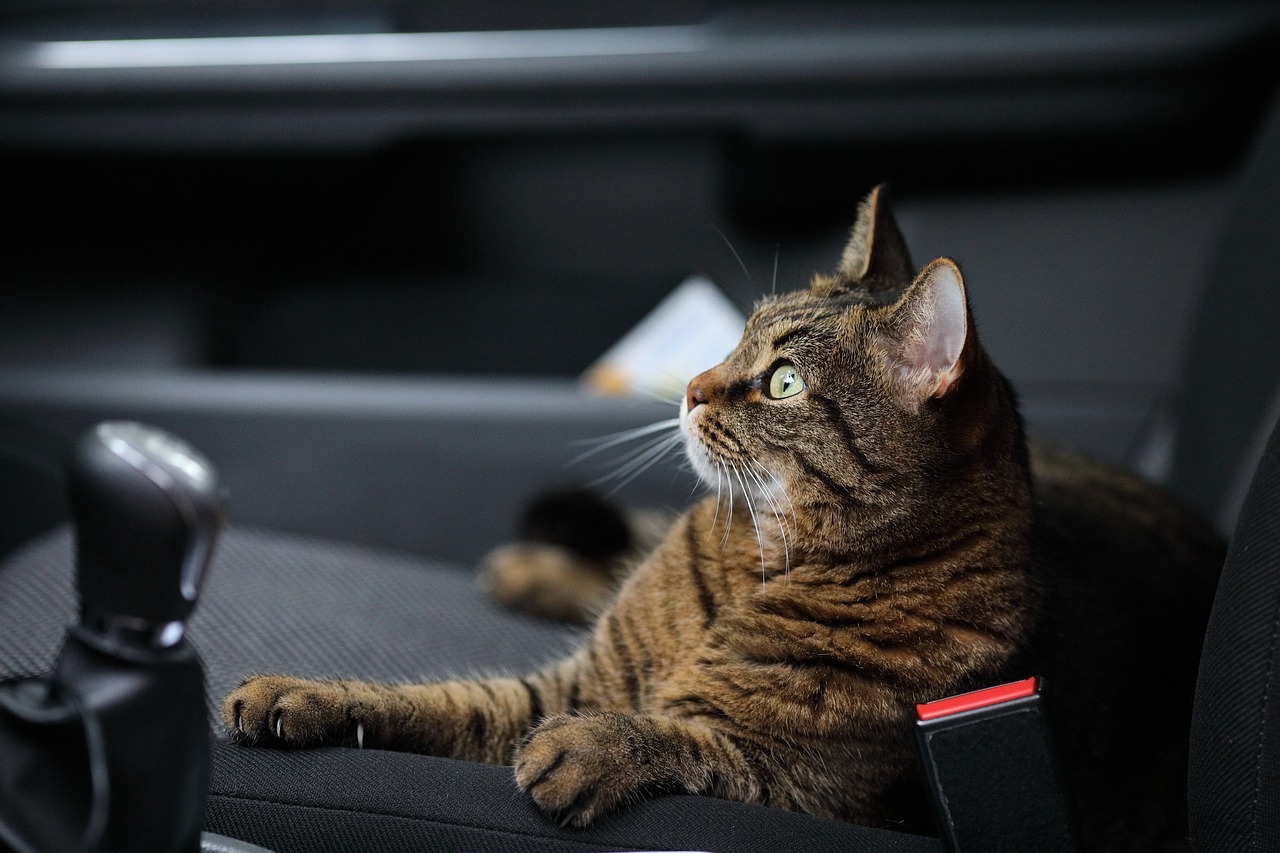

Recognizing Signs of Stress in Cats While Traveling
Traveling with your feline friend can be a rewarding yet challenging experience. Cats, by their very nature, are creatures of habit. They often feel stressed by changes in their environment. Understanding the signs of stress is crucial for a smooth journey. Common stress indicators include excessive meowing or vocalization. This could indicate anxiety, particularly if it occurs out of character. Additionally, if your cat is hiding or attempting to escape from their carrier, it suggests they are feeling overwhelmed. Monitor for changes in behavior, such as aggression or irritability, which may manifest due to stress. Decreased appetite can also be a tell-tale sign; cats might refuse food in unfamiliar settings. Other physical indicators include trembling or panting, which can signify panic. Regular breaks during long drives can help your cat adjust, so plan your route accordingly. Offer treats or toys to comfort your pet, making them feel more secure. Lastly, consulting your veterinarian before travel for advice on minimizing stress can be beneficial. They might provide specific recommendations tailored to your cat’s personality and history and can even suggest mild sedatives if appropriate.
Preparing for a long drive with your cat entails more than just packing their essentials. It’s vital to ensure your vehicle is comfortable for them. A well-ventilated carrier can help them feel safer and more secure. Try placing familiar items, such as their favorite blanket or toy, inside the carrier. This comforting presence can alleviate feelings of anxiety. As you prepare, keep your cat’s routine in mind. Cats thrive on familiarity and predictability, so maintaining their feeding and bathroom schedule can minimize disruptions. Hydration is also essential; making sure your cat drinks plenty of water during the journey is necessary to keep them healthy. Use a spill-proof water dish to prevent messes when you stop to give water. Take regular breaks every couple of hours to allow your cat to stretch and relieve themselves. Additionally, never leave them unattended in a parked car as temperatures can fluctuate drastically. Using calming pheromone sprays within the carrier before departure can also help. Be patient during the trip; be attentive to your cat’s feelings whenever they show discomfort or stress. Being proactive will ensure both you and your cat enjoy traveling together.
Another way to recognize your cat’s stress is through their body language. Cats communicate a lot through posture and movement. Pay close attention to their tails; a puffed-up tail indicates fear or agitation. In contrast, a lowered tail signals that they are frightened or insecure. Ears also offer insight into your cat’s emotional state; flattened ears often indicate that the cat is feeling stressed or threatened. If your cat is pacing inside the carrier, it suggests they are restless and anxious. Some will even try to hide and might curl up tightly when frightened. This behavior may signal they don’t feel safe in their environment. You can help ease these feelings by speaking softly and reassuringly to them. Soft tones can soothe and comfort, making the trip smoother for both of you. Creating a positive experience during car rides can go a long way toward reducing anxiety. Rewarding calm behaviors with treats can reinforce good experiences. Gradual acclimatization to the carrier can help them associate it as a safe space, rather than one associated with stress or discomfort in the car during your travel times.
When to Seek Help
Knowing when to seek help for your stressed cat can be crucial during traveling. If your cat exhibits severe anxiety, such as excessive panting or vocalization, consider seeking professional guidance. Identifying the severity of stress can be challenging; however, if your cat does not settle within the first few hours of travel, it may be time to intervene. An immediate visit to your veterinarian to discuss the ongoing behavior may help. Your vet can provide you with anxiety-relief strategies, which could include behavioral techniques and medications if necessary. Observe if the signs worsen as the journey continues; they may indicate that your cat isn’t adapting well to the travel circumstances. It’s also important to consider whether your cat has prior travel trauma. Some felines might behave differently than others based on past experiences. Be ready to identify triggers associated with these situations. If your cat is prone to car sickness, your veterinarian can prescribe medication to ease nausea. Continuous support and observation can help you identify what works best for your pet. Every cat is unique, and tailored solutions can ensure a positive travel experience.
Familiarizing your cat with their carrier before the journey is an excellent way to reduce stress. Allow your cat to explore it at home, using treats or toys as incentives to encourage positive associations. Spend time engaging with them calmly while they are near or inside it. This familiarity will significantly help when they are placed in the carrier during travel. Additionally, open the carrier at home and let your cat go in and out freely; this encourages comfort and exploration. Never force a cat into their carrier, as this may increase anxiety. Instead, create a welcoming environment by keeping it in a quiet, safe area of the house. It’s also beneficial to provide regular practice trips in the car to familiarize your cat with the overall travel experience. Start with short drives, progressively increasing the distance over time. Monitor your cat’s body language during these practice runs. If they remain calm and relaxed, keep building on these experiences. Ultimately, providing this gradual exposure can help build their confidence. The key to smooth journeys is patience and acclimatization. Stay attentive to their needs along the way.
In-Route Care Tips
During the trip, ensuring proper care for your cat is essential for keeping anxiety at bay. Regular breaks can prevent restlessness and give your pet a chance to relax. When you stop, remove your cat from the carrier and let them stretch their legs safely. Always use a leash to keep them secure in unfamiliar surroundings. Offering treats during the break can also promote positive associations with travel. If using a litter box, ensure it’s accessible during stops. Most cats prefer to relieve themselves out of their carrier rather than inside. Provide them with a quiet space to do their business. If they resist using the litter box, ensure they are comfortable and secure in their environment. Hydration is vital; offer water at each stop, using a portable water container to ease this process. Additionally, avoid feeding ahead of the journey to minimize the risk of motion sickness. Pay attention to any signs of distress. Continuous monitoring of your cat can help you detect if they are becoming anxious or need immediate care. Addressing these needs promptly makes the journey safer and more enjoyable for both you and your furry companion.
As your journey comes to an end, transitioning your cat into the new environment is critical. Cats can experience transitional stress just like they do during travel. When you arrive, set up a designated area for your cat that contains familiar objects, such as their bed, food, and litter box. This familiar space helps them feel secure amidst new surroundings. Allow your cat to explore at their own pace instead of overwhelming them with too much too soon. Gradually introduce them to different parts of the home, letting them set the pace. Be attentive to their needs; if they hide, give them space. Creating a safe haven is crucial for minimizing anxiety during this transition. Continue to use calming pheromones in their new space to reinforce a relaxing atmosphere. If issues arise or they appear overly stressed, consult with your vet for further options. As they acclimate, maintain their routine as much as possible to encourage a sense of normalcy. Consistency will help your cat feel comfortable and secure in their new environment, ultimately leading to a positive relocation experience.