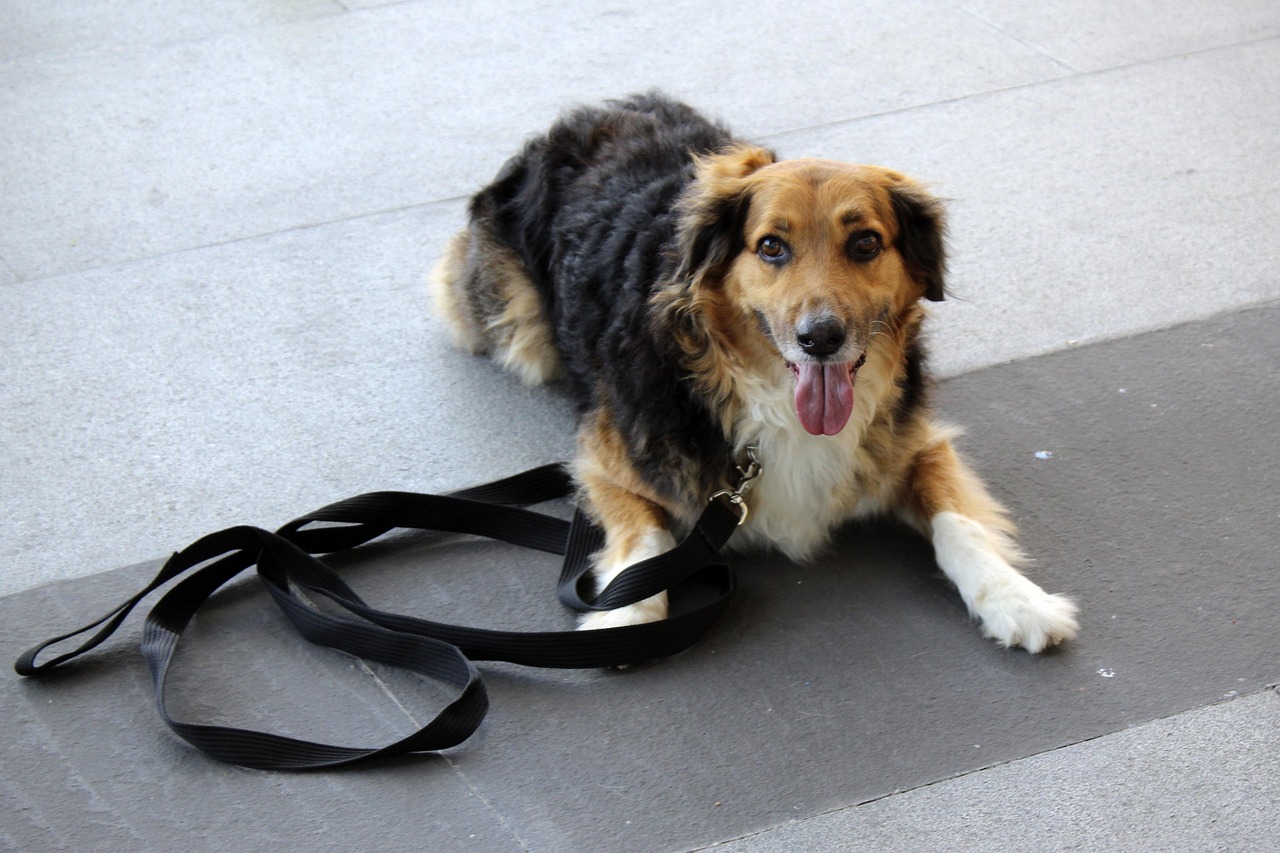

Step-by-Step Guide: Heel Command Training for Dogs
Teaching your dog the Heel Command without pulling can greatly enhance your walks and bond with your pet. This skill ensures your dog walks beside you, making it comfortable and safe for both of you. Start by selecting a quiet place free of distractions for initial training sessions. Ensure your dog is on a leash, preferably a shorter one, to maintain control. The use of positive reinforcement techniques such as treats, praise, and play is critical. Begin with your dog in a sitting position on your left side. As you start walking, use a clear command “heel”. This verbal cue should be consistent throughout the training. Additionally, you might want to have a hand signal to reinforce your verbal command. As your dog moves, reward them intermittently for staying by your side. Consistency is vital here; practice should occur daily for short periods. If your dog starts to pull or stray, stop walking immediately. This helps them learn that pulling results in a halt in progress. Once your dog is accustomed to walking beside you for short distances, gradually increase the challenge by adding distractions.
Consistency continues to be crucial in the raw training phase. As your furry companion learns the Heel Command’s basics, extend the amounts of time and distance you’re practicing. Use fun routes to keep them engaged while exploring a variety of environments. Establish a clear expectation during your training sessions, reminding them what behavior is acceptable. If they consistently attempt to pull ahead, use gentle corrections with the leash to guide them back to your side. It may also help to change directions frequently to keep your dog alert and position-focused. If corrections are necessary, ensure they are not harsh or punitive; the goal is to maintain their spirits and enthusiasm. Repetition is an effective strategy here, reinforcing the connection between action and reward. Gradually heighten the expectations, refining their heel command. Instead of treats, incorporate verbal praise and petting as rewards for better learning. Remember to mix up your training locations; doing so creates variety and enriches their experiences. Always conclude sessions on a positive note with praise or play, regardless of how much they’ve mastered. This will help keep their training enjoyable and reinforce learning.
Dealing with Common Issues
During the training process, you may encounter common issues. These typically include leash pulling, distraction, and general disinterest from your dog. If they persistently pull the leash, it’s essential to stop immediately and not allow any forward movement. The key is to eliminate the benefits of pulling by insisting they stay by your side. Use treats to redirect their focus back towards you. This generates positive associations with the heel position. If distractions, such as other dogs or people, cause them to veer off course, practice in lower-distraction environments before gradually introducing social settings. Socializing your dog while on a leash can be particularly challenging; begin with less stimulating environments. Whenever you achieve short spurts of successful heel walks around distractions, ensure you reward them without fail. If your dog seems disengaged, experiment with shorter training sessions or switch to different locations. Making it a game with fun activities rewards their attention and engagement. Training your dog takes time and patience, so prevent feelings of frustration or discouragement. As you work through these issues, your dog will learn to listen and associate positive experiences with good behavior.
Encouragement plays a critical role in the training process, with your attitude influencing your dog’s performance. In the face of challenges, celebrate even the smallest achievements. Dogs are sensitive to their owners’ emotions; if you’re upbeat and enthusiastic, they’ll reflect that behavior. Revisiting the basics is also beneficial if you encounter ongoing issues. Break the heel command into smaller, digestible components. Focus on each component before putting the whole command back together. Regular and effective communication, including cues and rewards, keeps your dog aware of your expectations. Incorporating this into your daily routine increases practice time, allowing better behavioral habits to form. For those struggling with physical excerpts, as your dog consistently masters the heel command, consider adding further challenges. These might include changing pace with speed variations or practicing around obstacles. Keeping the exercise fun prevents your dog from losing interest while also fine-tuning their skills. Remember, patience is essential; continuous positive reinforcement helps build stronger connections. This training journey not only results in better obedience but ultimately strengthens your relationship through cooperation and teamwork.
Progress Tracking and Evaluation
As you embark on this heel command training, it’s essential to track your progress. Documenting each session can provide insights into which techniques are effective. Note improvements in behavior, attention, and even distractions encountered during training. You may find a specific time of day works better or particular locations enhance their focus. Evaluating your approach allows for flexibility and adaptability as needed. If you feel progress is stagnating or declines, consider returning to basics while maintaining a positive atmosphere. Create a flexible training schedule that enables you to iterate based on the dog’s learning pace. Encourage family members to engage in the process, ensuring a consistent experience for your pet while enhancing bonding. Keeping your dog mentally stimulated even outside of training will help maintain their interest. Incorporate socialization with other dogs; it helps to reinforce good behaviors you’ve fostered. Understanding various dog behaviors opens doors to deeper connections. Remember, every dog is unique, and their learning journey will vary. Celebrate their milestones and recognize that setbacks are part of growth. Stick to your training framework, and you will notice a shift in your dog’s reliability and connection.
In conclusion, the importance of engaging in heel command training cannot be overstated. This exercise fosters safe and enjoyable outings for both you and your dog. A trained dog is not just obedient but is better socialized, resulting in fewer stressful situations during walks. Progress relies heavily on patience, persistence, and positive reinforcement; celebrating small victories is essential. Building a solid foundation through consistent practice will yield lasting results. Keep training sessions engaging and varied, ensuring your dog maintains enthusiasm for learning. Make use of various rewards, praise, and interaction with your dog so that they find learning enjoyable. Gradually adjust your expectations, ensuring you challenge their skills. Peer interactions with other pet owners can provide new ideas that enhance training experience, exchanged insights may prove invaluable. Always prioritize their emotional well-being, ensuring your dog enjoys the experience without feeling intimidated. After all, a happy dog translates to a more engaged learner. The benefits derived from mastering the heel command extend beyond the leash. You are instilling in your dog the importance of focus and responsiveness.
Additional Resources
For further learning and support in your training quest, various resources are available. Books specializing in dog training often delve into the complexities of commands, offering practical advice and strategies proven effective by experienced trainers. Websites and online forums can provide tips based on community experiences, enhancing your knowledge base as you navigate challenges. Training classes provide hands-on teaching, guided by professionals who can address behavioral issues firsthand. Seek qualified instructors who emphasize positive reinforcement methods, as they align with modern ethical practices of dog training. YouTube and similar video platforms feature countless trainers demonstrating command techniques, allowing you to see the commands in action visually. This can provide clarity and additional insights on executing various commands effectively. Collaborate with local training groups or clubs where you may find like-minded pet owners seeking similar training paths. Sharing your journey with others can provide companionship and support. Always remember, investing time in resources beyond initial training will nurture a respectful relationship as your dog grows in confidence and obedience. Exploring new methods keeps the learning experience dynamic and enjoyable for both of you.
In summary, the journey of teaching your dog the heel command involves many layers of patience and understanding. It’s an essential command that ensures safety and harmonious walks. Start from basic principles and gradually integrate more complex environments and distractions. As your dog learns and thrives in training, instill a sense of joy and fun in the process. Establish distinct, clear cues for commands, allowing for easy understanding and recall. A well-trained dog not only obeys commands but also builds a deeper bond with you as an owner. Practice is key; make it a part of your daily routine — even brief sessions can be effective. Share progress with other dog owners and join community discussions, allowing you to gather various insights into training practices. Collectively, you will uncover strategies that may work specifically for your dog. Keep in mind the importance of observing your dog’s body language throughout training, as this can reveal comfort levels and readiness. A successful heel command training journey culminates in a well-behaved dog that brings joy to daily walks, ensuring a safer and more enjoyable experience for you both.