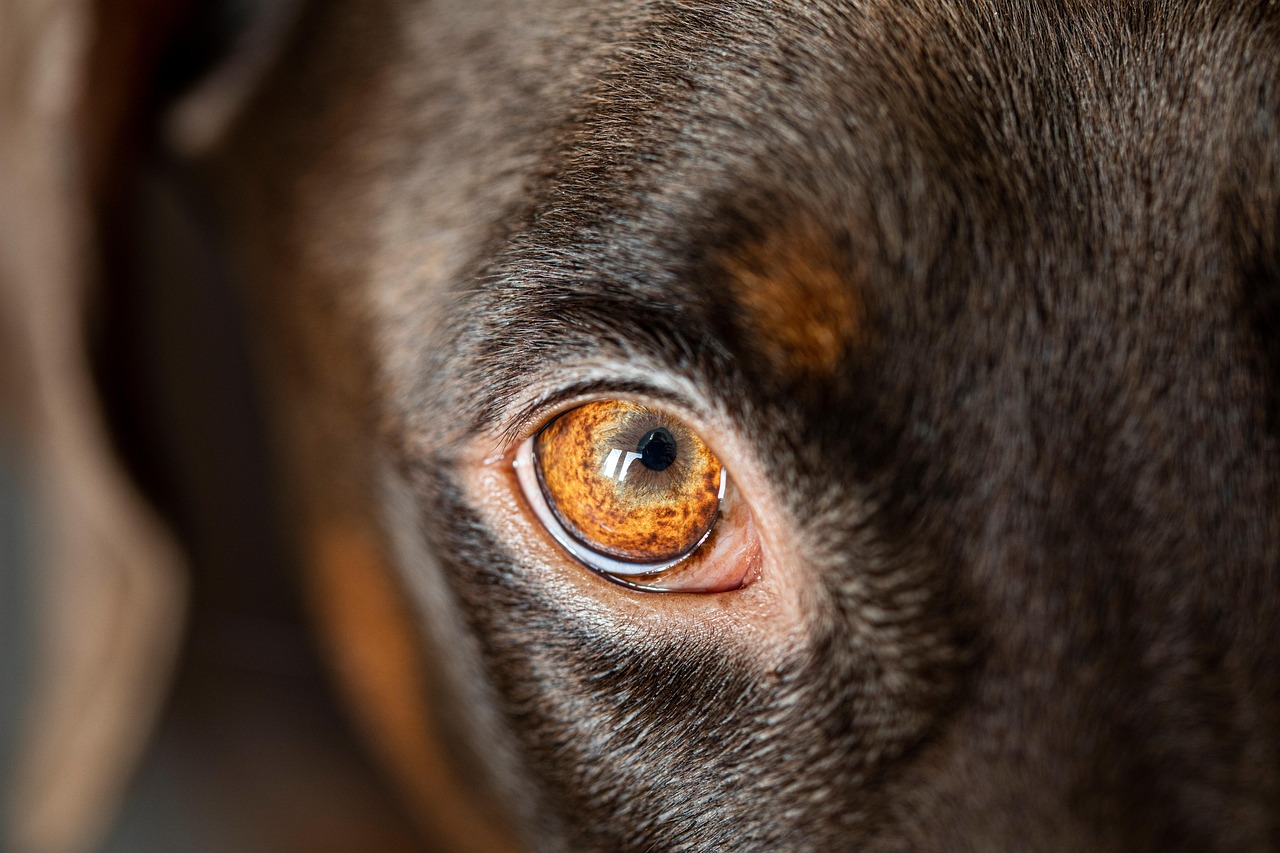

The Importance of Eye Health Vitamins in Your Dog’s Diet
Just as humans benefit from vitamins for their health, so do our furry companions. Dogs require essential nutrients for their overall well-being, and vitamins tailored for eye health play a crucial role in that. These vitamins help maintain optimal vision and prevent age-related issues such as cataracts or retinal degeneration. Vitamin A is one of the primary vitamins for eye health, as it supports proper eyesight and cell function. A deficiency in Vitamin A can lead to night blindness and more severe vision problems. Additionally, antioxidants like vitamins C and E also support eye health by combating oxidative stress. These vitamins can protect eye tissues from the damage of free radicals. Including these vitamins in your dog’s diet can promote longevity and enhance his quality of life. It’s vital to understand how to incorporate these nutrients into their meals effectively. This involves choosing high-quality commercial dog foods enriched with these vitamins or supplementing their diets appropriately. You can consult with your veterinarian to determine the best sources of these essential nutrients for your pet’s specific needs.
One significant aspect to consider when choosing eye health vitamins is the age and breed of your dog. Certain breeds are genetically predisposed to eye diseases, which emphasizes the need for a tailored diet rich in protective vitamins. For instance, breeds like Labrador Retrievers and Bulldogs may have a higher risk of developing cataracts, necessitating proactive dietary measures. The form of vitamins matters too; some are more bioavailable in certain food forms. Fresh, whole foods often contain the right balance of vitamins and nutrients compared to processed pet food. Carrots, sweet potatoes, and leafy greens are excellent fresh food sources of Vitamin A. Additionally, fish oil is a source of Omega-3 fatty acids, which can also promote eye health, particularly in older dogs. Ensuring they get these nutrients not only aids in their vision but supports their cognitive function and skin health as well. Transitioning to a diet that includes these enriching foods requires patience. Use gradual integration alongside their current diet to avoid gastrointestinal upset, fostering long-lasting healthy eating habits for your dog.
Key Vitamins for Optimal Eye Health
Various vitamins play unique roles in safeguarding your dog’s eye health. As already mentioned, Vitamin A is paramount for vision and maintaining healthy epithelial tissues. Furthermore, it can contribute to better photoreception. Vitamin C contributes antioxidant properties, protecting the eye’s lens from oxidative damage, and plays a role in collagen formation, which supports eye structure. Then there’s Vitamin E, which works synergistically with Vitamin C to combat oxidative stress. Zinc is another crucial mineral that contributes to eye health by aiding metabolic processes in the retina. Dogs suffering from deficiencies in these vitamins may experience various ocular issues. Supplements designed specifically for canine eye health can be very effective. Manufacturers formulate these products using evidence-based research. You should look for supplements backed by reliable veterinarian recommendations. Keeping your dog’s overall health in mind, a balanced diet rich in eye health vitamins will fortify their sight. Observing any changes in your dog’s vision, such as difficulty navigating or increased squinting, requires immediate veterinary attention. Proactive monitoring and vitamin supplementation can lead to healthier, brighter eyes.
In addition to vitamins, integrating a range of foods into your dog’s diet can ensure they obtain comprehensive nutrition. This includes foods rich in beta-carotene, which converts to Vitamin A in the body. Sweet potatoes and squash offer these benefits. You can prepare these foods by steaming or baking them, making them easier for your dog to digest. Moreover, taurine is an essential amino acid for dogs that contributes to cardiovascular and eye health. Studies suggest a deficiency in taurine may increase a dog’s risk for certain eye diseases. Therefore, feeding a diet rich in animal proteins such as chicken, beef, and fish ensures your dog gets adequate taurine levels. Always consult your veterinarian before introducing new dietary elements. They can provide personalized advice based on your dog’s health, breed, and age. Pay close attention to your dog’s reactions when adding new foods; some may be more sensitive than others, and their overall health will be your guide! Consider consistent visits to the vet for regular eye examinations to ensure they are happy and healthy.
Supplementation and Diet Changes
When considering vitamin supplementation, it’s crucial to be informed about the potential risks and benefits. Not all supplements are necessary, and over-supplementation can lead to toxicity, particularly with fat-soluble vitamins like A, D, E, and K. Understanding the differences between natural sources of vitamins and synthetic options can guide informed choices. Natural sources generally provide better bioavailability and fewer side effects. It is beneficial to incorporate these around your dog’s meal times as it enhances absorption. Additionally, observing changes in your pet’s behavior or physical condition following dietary changes is vital. If you notice signs of improvement, continue with those changes. A gradual introduction is key, ensuring your dog’s digestive system adjusts accordingly. Maintain a consistent routine, feeding them at the same times each day to improve their eating habits. Engaging with your vet regularly provides you updates on your dog’s eye health and dietary needs. Your vet can guide you on timing and dosage for any supplements, helping you to achieve the best results without risking adverse effects.
Ultimately, your dog’s eye health is a reflection of their overall wellness, and nutrition is a foundational aspect of it. Addressing eye health through vitamins and proper nutrition can prevent a slew of health complications and enhance the quality of life. Look for signs of eye stress or discomfort in your pet, as early detection of any issues ensures prompt attention. Be aware of allergies or sensitivities that may arise due to certain foods or supplements. If you notice unusual reactions, consult your veterinarian immediately. Ensure the high-quality source of any supplements you choose for your dog. Rely on reputable brands that focus on canine health. The journey toward better eye health is a partnership between you and your pet. Investing in knowledge about their nutritional needs is paramount. Tailoring their diet not only helps their vision but also boosts their immunity. Future planning, including regular check-ups, guarantees their sight remains sharp, providing them a healthier and happier life. Every little effort you make today can contribute to a clear-eyed future for your dog.
A Holistic Approach to Dog Health
Incorporating eye health vitamins into your dog’s diet is part of a holistic approach to their overall health. Remember that factors such as physical exercise, mental stimulation, and regular veterinary care are also important. A well-rounded regimen promotes not just eye health but a better quality of life overall. Engaging in physical activity strengthens their bodily systems, while brain games stimulate cognitive functions, which can be interconnected with health improvements. Encourage daily walks, playtime, and cognitive challenges to prevent detrimental health issues. Discussing nutrition and activity is essential during vet visits. Find the right balance suitable for your dog’s lifestyle to ensure they thrive. For instance, active breeds may require more protein and fat for energy, while less active dogs may need balanced, lower-calorie diets. Over time, these small adjustments can lead to significant health improvements. Eye safe toys and protective measures during outdoor activities can also safeguard your dog’s vision indirectly. Ultimately, the goal remains: to ensure your canine friend enjoys life to its fullest, free of health complications and with a vibrant look in their eyes.
A routine that prioritizes eye health vitamins alongside a nutritious diet is essential. Treat your canine companion to a variety of flavors and textures within their diet to stimulate their appetite and improve their health. Emphasizing the importance of nutrition while offering treats should not be an afterthought, ensuring every bite is beneficial. Engage with your vet to understand food combinations that could be enriching or detrimental. Monitoring your dog’s responses to food adjustments will provide insights into what suits best. Understanding the impact of specific nutrients, especially for eye health, can be enlightening. You may uncover new solutions that guide your dog’s dietary needs effectively. Incorporating eye health as part of the conversation about overall well-being will encourage proactive measures. Lastly, fostering a space for questions or discussions will allow you to explore options more thoroughly with experts in canine health nutrition. Never underestimate the importance of collaboration in maintaining your dog’s eye health. By taking a comprehensive viewpoint, you’ll help ensure a lifetime of happiness for you and your furry friend.