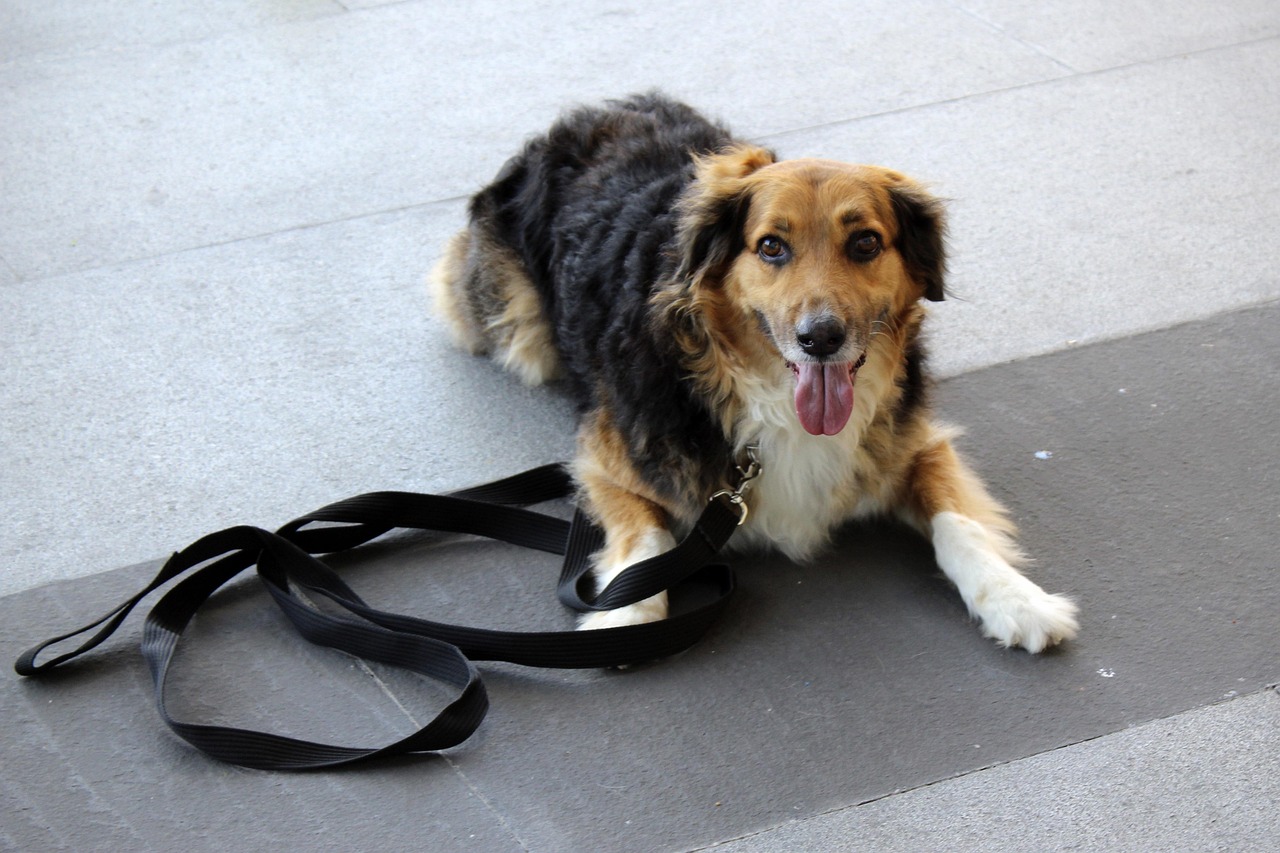

Using Clicker Training for Advanced Dog Behavioral Commands
Clicker training is an effective method used to teach advanced commands to dogs. This method is based on positive reinforcement, where a click sound indicates the desired behavior performed by the dog. By consistently pairing the click with a reward, dogs learn to associate the sound with specific actions. This is beneficial for training complex commands like ‘stay,’ ‘fetch,’ or even intricate tricks. An essential aspect of clicker training is timing; as a trainer, ensuring the click occurs immediately after the action is crucial for effective learning. As dogs develop understanding through this method, enthusiasm and focus increase, making subsequent training sessions more enjoyable for both the dog and trainer. Moreover, incorporating various rewards, such as treats or toys, into the training can enhance motivation. It’s essential to keep training sessions short yet engaging so that dogs can grasp concepts without losing interest. Ultimately, one must be patient and understanding during this learning process, as every dog will pick up commands at their own pace. Maintaining consistency in commands and expectations will ensure successful training experiences over time.
The fundamental principle behind clicker training lies in its foundation of operant conditioning. Dogs respond more effectively when their actions result in positive outcomes. Through repetition of the click followed by a reward, dogs exhibit behaviors that lead to their success. This technique not only aids in obedience but also fosters a strong bond between the dog and the trainer. A solid relationship built on trust facilitates improved communication, critical when presenting advanced commands. As dogs become more adept, trainers can introduce challenges, such as distractions. Practicing commands in varied environments reinforces learned behaviors and solidifies the dog’s understanding. Additionally, tracking your dog’s progress helps detect when reinforcement is most needed. You may also utilize a cue word before clicking, serving as an indicator for the dog that it’s time to perform a command. This enhances learning by linking verbal signals with clicker sounds. Additionally, observe your dog’s response during training. Adjust methods accordingly to optimize their engagement. Playful sessions are often more fruitful than strictly structured drills. Remember, the goal is to teach, not to frustrate. Celebrating small victories will ensure continuous motivation and a willingness to learn even advanced commands.
Stronger Communication Through Clicker Training
Effective communication is paramount in dog training, particularly when teaching advanced behavioral commands. Utilizing clicker training bridges gaps in understanding between the dog and the trainer. As dogs begin to recognize their actions leading to clicks, they also start discerning the importance of consistent commands. Clear communication serves as a foundation for mastering advanced skills. Trainers must articulate their commands distinctly and consistently to prevent confusion. In addition, using body language or hand signals can enhance the dog’s understanding, creating a multi-faceted learning environment. For example, using a specific gesture alongside a verbal command can signal the same action. Such clarity simplifies the learning process, eventually leading to seamless execution of commands. This clarity of instruction fosters confidence in dogs, encouraging them to take on more complex tasks. In advanced training scenarios, feedback should be immediate, allowing dogs to connect their actions with the results. This approach cultivates precision in execution, essential for commands demanding absolute compliance. By enhancing the communication process, both trainer and dog benefit, leading to productive training sessions and a well-behaved canine partner during more advanced commands.
Introducing advanced commands using clicker training requires skillful planning and implementation. Start with the basics and progressively work towards more intricate behaviors. For instance, before teaching a dog to ‘roll over,’ ensure they have mastered ‘down.’ Gradually build on this foundation, leading them to associate the down position with rolling over. When practicing this command, click and reward immediately after the dog attempts the roll. Keeping expectations realistic is essential, as forcing a command too quickly can cause frustration. Remember, dogs learn at different paces, and patience is a virtue during this process. Integrating play into training sessions keeps the atmosphere light while promoting retention of learned commands. Furthermore, varying training locations and distractions helps solidify advanced learning, preparing dogs for real-world applications. Maintain a consistent training schedule, ideally combining short, frequent sessions to keep dogs actively engaged. Regularly reviewing basic commands ensures retention, creating a support system for more complex training. Engaging with fellow dog trainers or attending classes can provide motivation and share new techniques. Utilizing a supportive community will keep both dog and trainer motivated throughout this transformative journey of advanced commands training, making the experience enriching and rewarding.
Challenges in Advanced Dog Training
Despite the effectiveness of clicker training, challenges may arise as dogs learn more advanced commands. Distractions often pose a significant hurdle, leading to interference during training sessions. Factors like sounds or other animals can divert a dog’s attention when trying to master specific behaviors. To combat distractions, practicing in quieter environments can create a more controlled setting. Gradually introducing external stimuli while maintaining focus on the commands will help dogs adapt progressively. Moreover, different breeds may exhibit varying responses to training methods; thus, adapting techniques is crucial. Some breeds may require more repetitions to associate clicks with actions, while others might excel immediately. Observing behavioral nuances can guide adjustments in your training approach. Continuous reinforcement may be necessary, especially when teaching nuanced behaviors. Keeping sessions short and engaging aids retention while preventing boredom. If a command proves too challenging, break the task into smaller segments. Celebrating even minor achievements encourages dogs and fosters a positive learning environment. Identifying the challenges along the way streamlines learning for both the trainer and the dog, creating prosperous outcomes in mastering advanced commands using clicker training.
Learning advanced commands successfully is significantly influenced by the handle of mistakes. Miscommunication can happen when expectations aren’t met; trainers must approach mistakes constructively. Instead of punitive measures, reinforce positive behaviors while gently redirecting to the desired action. Each error is an opportunity for valuable lessons, teaching trainers and dogs resilience, patience, and adaptability. Encouraging an atmosphere of experimentation promotes a willingness to learn. When advanced commands don’t succeed initially, continuously revisiting fundamentals fosters comprehension as they attempt more complex behaviors. Recognizing progress, no matter how small, fuels motivation. Incorporating fun, engaging activities helps keep the training enjoyable. This may include games, which can make complex commands less daunting for dogs. Additionally, enriching training with socialization opportunities enhances learning and retention of advanced commands. Letting dogs interact with others during training can build confidence and fortify their skills. A strong bond between the handler and dog emphasizes the trust needed to attempt challenging commands. Regularly evaluating your approach ensures consistent improvement. It walks both the dog and trainer through the journey of learning advanced behaviors, demonstrating the power of clicker training as a profound method.
Persistence and Consistency in Training
Persistence and consistency are crucial traits when utilizing clicker training for advanced commands. A positive attitude during training sessions creates an encouraging atmosphere. This mindset promotes successful learning experiences, regardless of the complexities involved. Trainers should establish a consistent routine, including specific timing and cues when practicing commands. Dogs thrive on routines, which help them anticipate and understand expectations. Outlining clear objectives for each session provides direction and purpose. Establish achievable goals while remaining flexible as you adapt to your dog’s learning style. Optionally, introducing distractions or varying the training environment offers new challenges that reinforce learning. Both persistence and patience are continuously vital, especially when dogs don’t perform commands correctly. Tracking progress and celebrating successes motivate continued effort from both parties involved. Plus, your emotional state plays a meaningful role during sessions; maintaining a high-energy vibe makes learning exciting. Shifting focus and tactically adjusting strategies will ensure prolonged engagement throughout the training process. Lastly, documenting your approach can uncover patterns in your dog’s responses. Through sustained efforts, the journey culminates in a notable mastery of advanced behavioral commands, showcasing the effectiveness of clicker training while paving paths for deeper connections.
In conclusion, employing clicker training for teaching advanced behavioral commands is an efficient approach benefiting both trainers and their dogs. This positive reinforcement method not only enhances communication but also helps build strong bonds as dogs navigate through expectations. Critical components of success include clarity in instruction, the handling of mistakes positively, and flexibility in adapting training modalities to meet dog-specific needs. Regular feedback, persistent engagement, and joy in the learning process play roles in conditioning efficient command responses. Trainers should incorporate enjoyable activities while utilizing varying environments to solidify behaviors as dogs encounter real-life situations. Advanced commands require teamwork, shared goals, and constant practice. With dedication, patience, and a creative outlook, trainers can guide their dogs, ensuring mastery of intricate actions and establishing fulfilling partnerships. Keeping sessions fun and supportive transforms the training journey and fosters enthusiasm for future learning endeavors. The art of clicker training will yield long-lasting results, showcasing the potential for dogs to learn advanced commands effectively. As trainers prioritize positive interactions, the experience remains enriching and gratifying for both themselves and their canine companions, illustrating the profound benefits of interactive training methods.