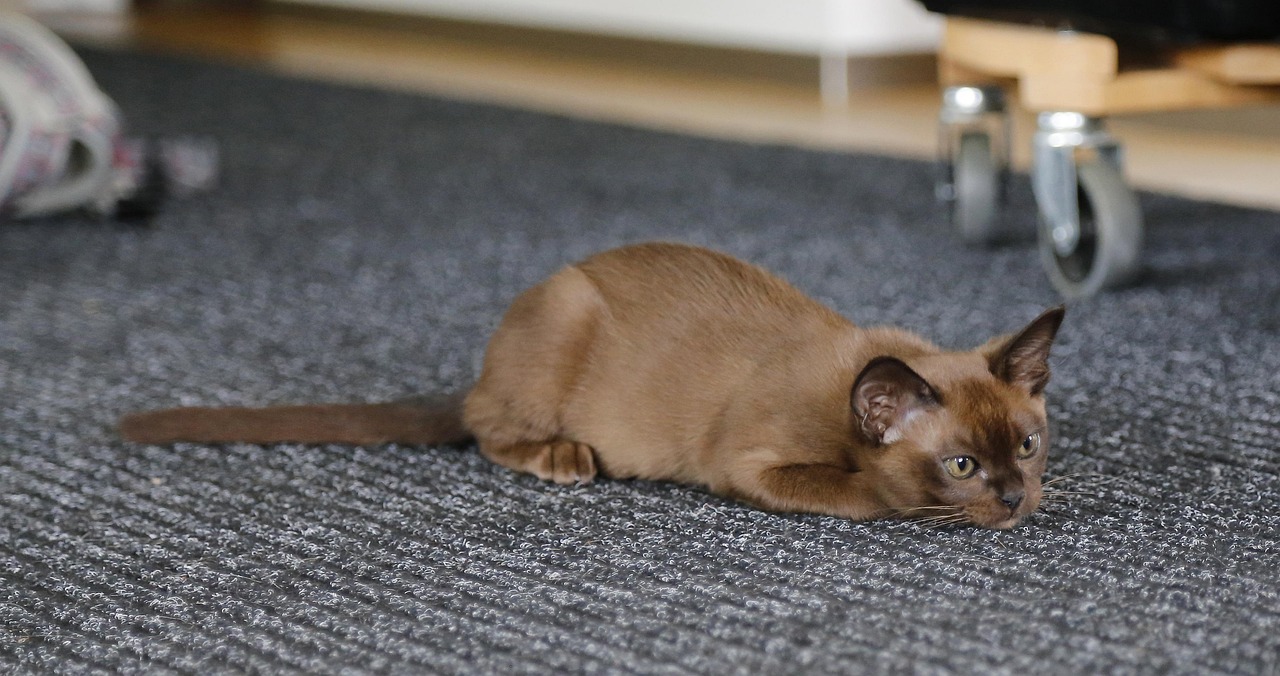

Dealing with Allergies and European Burmese Cats
European Burmese cats are known for their affectionate nature and playful spirit. However, they can be a challenge for allergy sufferers, as cats in general can trigger allergic reactions. The proteins found in cat saliva, skin, and urine can cause reactions in sensitive individuals. Therefore, understanding how to manage allergies is essential for prospective cat owners, especially if they are drawn to the charming personality of these cats. One way to reduce allergens is to limit contact with the cat, although this may not be practical for most owners. Regular grooming can significantly minimize shedding and dander, as it reduces the amount of loose hair and skin particles in the home. Additionally, using air purifiers can help to filter the allergens from the environment. Maintaining a clean living space is pivotal, as vacuuming regularly and using washable covers on furniture can prevent allergens from accumulating. Another effective strategy is consulting an allergy specialist about available medications and treatments. For passionate cat lovers, taking these proactive measures can lead to a fulfilling relationship with their European Burmese, balancing love for cats with allergen management.
Understanding Cat Allergies and Their Causes
Cat allergies arise when the immune system reacts to specific proteins, predominantly found in cat saliva, skin, and urine. These proteins are often carried in the air as fine particles and can trigger sneezing, itching, or other allergic symptoms. Those with allergies towards cats, like European Burmese, experience varying levels of sensitivity. This complexity makes it essential to recognize that some breeds produce fewer allergens than others, albeit not hypoallergenic by any means. European Burmese cats tend to produce moderate levels of allergens, which means they are likely to affect allergic individuals. Effective management thus necessitates understanding individual responses to these proteins. It can be beneficial to spend time with this breed before making a commitment to adoption to assess any allergic reactions. Moreover, talking to breeders about the temperament and health of their cats can help decide on the right companion. Ultimately, knowing more about the allergy triggers can help form strategies to lessen their impact while allowing cat owners to enjoy the companionship of these delightful cats.
Strategies for Cat Allergy Management
Managing allergies while caring for a European Burmese cat can be a challenging but attainable goal. One effective method is to designate cat-free zones within the home. This allows allergy sufferers a safe space where exposure to allergens can be minimized. It is also beneficial to set up specific areas where your cat can comfortably stay, but without access to bedrooms or other critical spaces. Regularly bathing your cat helps to wash away dander and excess oils, though not everyone may feel comfortable doing this frequently. Choosing the right grooming tools, like de-shedding brushes, can support your efforts in controlling loose fur. Additionally, utilizing allergen-resistant bedding and cleaning products can further diminish the presence of allergens. Investing in an air filtration system is recommended as well; these systems can significantly improve air quality and reduce allergens. Frequent washing of your cat’s bedding and toys will keep your environment more sanitary and less prone to accumulating allergens. Adopting strict hygiene practices is crucial for maintaining a cat-friendly space without exacerbating allergy symptoms.
Creating a Cat-Friendly Environment
Designing a cat-friendly environment that also accommodates allergenic concerns involves various strategies to create a balanced atmosphere. Start by ensuring that your home is thoroughly cleaned on a regular basis. High-efficiency particulate air (HEPA) filters in your vacuum cleaner can help capture tiny allergens that traditional systems might miss. It’s essential to declutter your space as muted furnishings and fewer surfaces can reduce allergens’ hiding spots. Providing a designated area complemented with cozy bedding encourages your European Burmese to stay in a specific zone, minimizing dander dispersal. Incorporating non-toxic plants can add liveliness while improving air quality. Additionally, if you have carpets, ensure that they are cleaned frequently, or considering hard surface flooring could be beneficial. Regular grooming sessions with your cat also decrease potential shedding and dander. It’s wise to avoid using products with heavy fragrances or chemicals that might trigger irritations in allergy sufferers. Engaging in these practices can create an inviting home where both allergies and cats coexist harmoniously, enabling enjoyment of the charming and affectionate nature of these delightful companions.
Consult Healthcare Professionals
When facing the dual challenges of allergies and having a European Burmese cat, consulting healthcare professionals can provide significant insights. Allergists can help identify specific allergens through skin tests or blood tests. Armed with this information, allergy sufferers can tailor their management approach effectively. In some cases, healthcare providers might recommend medications that can alleviate symptoms and improve the quality of life. Antihistamines, nasal sprays, and other medications can often mitigate reactions. For those with severe allergies, considering allergy immunotherapy might be beneficial — a treatment that gradually desensitizes the immune system to allergens. Moreover, if your allergic symptoms persist, discussing the potential need for additional support or lifestyle adjustments with a healthcare provider can be instrumental. Personal preferences and health needs must be balanced; educating oneself on how to care for a cat while managing allergies is essential for a fulfilling experience. Collaborating with professionals will empower cat owners to make informed decisions, allowing for a harmonious life with their beloved European Burmese cats.
Choosing the Right European Burmese Cat
Selecting the appropriate European Burmese cat is a significant factor in successful allergy management. When considering a new feline family member, it’s advisable to look for breeders that prioritize health and temperament. Speaking with breeders about any known genetic predispositions within their cats is essential. While no cat is completely hypoallergenic, certain individuals may produce lower levels of allergens. Observing the cat’s behavior and reaction to potential allergy triggers can provide insights before making a commitment. It’s wise to spend time with the selected cat beforehand, ideally in your living environment, to gauge any allergic responses. Furthermore, adopting from a shelter or rescue group can be rewarding; prior histories about the cats’ interaction with humans or other pets may provide valuable knowledge. It is equally vital to focus on the cat’s personality traits that fit well with your lifestyle. Every interaction serves as a learning opportunity in understanding allergy responses while nurturing a delightful bond with your new companion. A thoughtful approach to selection can foster a positive experience of joy and love despite allergy challenges.
The Benefits of Bonding with Your Cat
Despite the challenges that allergies pose when owning a European Burmese cat, there are numerous benefits to fostering this unique relationship. Cats, especially this breed, offer exceptional companionship, emotional support, and stress relief through their gentle demeanor. The presence of a pet can significantly elevate mood and create a sense of belonging. Engaging in interactive activities like playing with toys or training sessions enhances the bond while providing mental stimulation for both the cat and its owner. Therapeutic studies suggest that being with pets, such as European Burmese cats, can lower blood pressure and anxiety levels. Moreover, the affection these cats exhibit can foster deeper human-animal connections. As you navigate the balance of managing allergies alongside caring for a cat, gratitude for these moments can deepen your appreciation for the joy they bring. Establishing routines involving care, play, and nurturing can strengthen the emotional ties drastically. Therefore, despite allergies, many cat owners can find profound joy in their relationships with European Burmese cats by prioritizing proactive measures to ensure comfort and contentment.