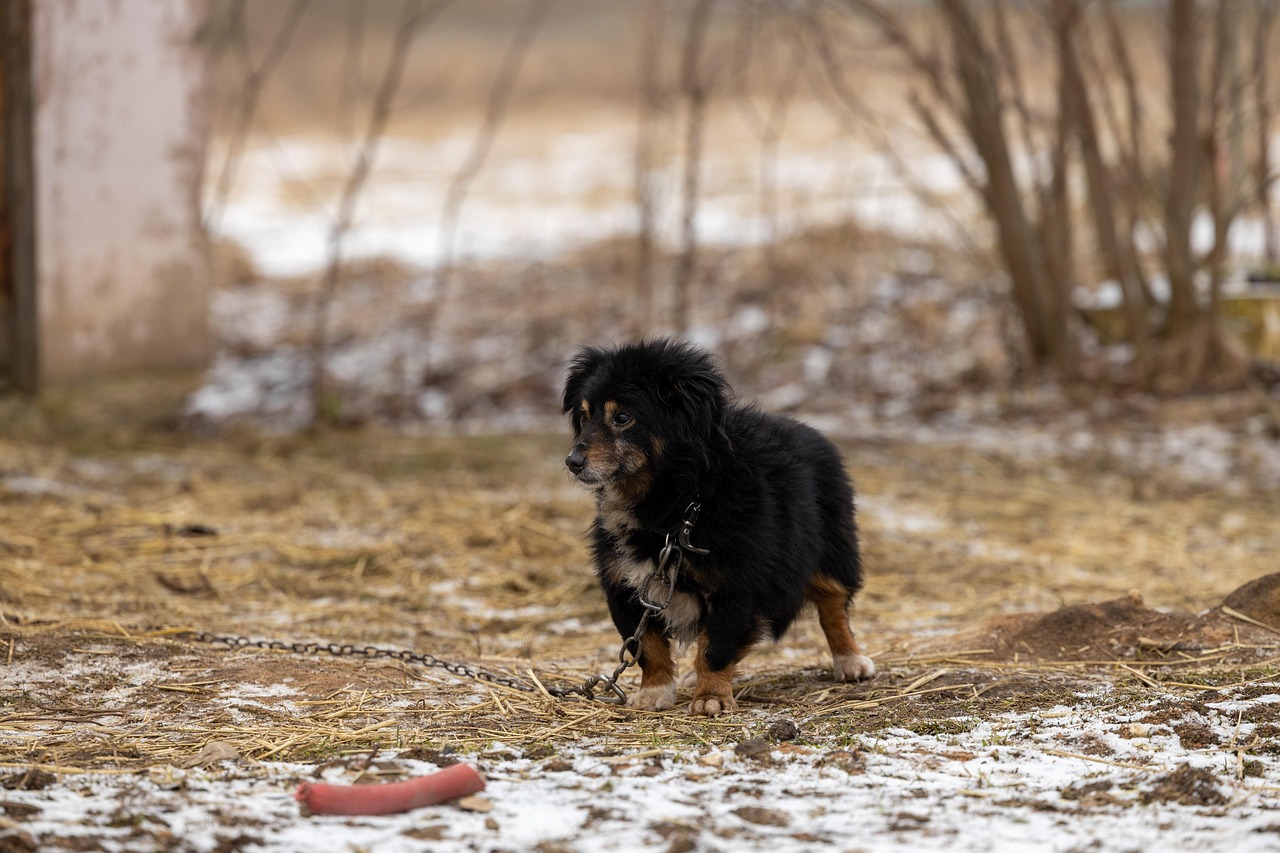

Emotional Recovery: How Adopted Dogs Adjust to Their New Environment
Adopting a dog brings joy, but it also entails challenges, especially regarding emotional recovery. After leaving shelters, many dogs experience stress, fear, and uncertainty in their new homes. Understanding this emotional journey is crucial for both the dog and the owner. Each dog adjusts differently, influenced by prior experiences. A successful transition often involves patience, love, and stability. A supportive environment helps the dog feel secure. For example, creating a safe space, providing regular meals, and establishing a routine can greatly aid adaptation. Furthermore, using positive reinforcement during training strengthens the bond between the dog and owner. This process provides comfort, helping the dog associate the new environment with positive experiences. Owners should also observe their dog’s body language, which conveys feelings of comfort or distress. Signs of stress include hiding, excessive barking, or destructive behavior. By building trust, interactions become more enjoyable. Engaging in playtime, going for walks, and participating in social activities can foster a sense of belonging. Therefore, understanding the emotional trajectory of adopted dogs is vital for ensuring a loving relationship that thrives over time.
Post-adoption, many dogs exhibit signs of anxiety and adjustment difficulties. Dogs may cling to their new owners or hide, reacting to their new surroundings. By fostering a secure environment, adopters can ease these symptoms significantly. Observing and recognizing various behavioral expressions is key to this process. For instance, some dogs may engage in excessive barking or chewing due to anxiety. In contrast, others may exhibit withdrawal behaviors, limiting interaction. Owners can utilize training techniques to help their dogs acclimate effectively. Employing gentle and consistent commands instills discipline, enabling the dog to feel安心. Furthermore, providing toys or puzzles stimulates their minds, reducing boredom, and anxiety. It is important to allow dogs ample time to adjust, as each individual responds differently. For instance, while some will quickly adapt, others may take weeks or even months. Therefore, patience is a virtue in this journey. Regular veterinarian check-ups can also help ensure the dog remains healthy during this transition. Adopting a rescue dog is a rewarding experience, where understanding emotional needs leads to a fulfilling relationship.
Building Bonds through Patience
Patience is essential during the adjustment phase of an adopted dog’s life. Establishing a trusting relationship can take time, particularly if the dog has faced adversity. Activities that reinforce positive behavior like training, play, and exercise foster bonding. Regular gentle petting and vocal praise communicate affection, reassuring the dog that they are safe in their new home. Utilizing training methods that promote good behavior can yield fantastic results. Owners are encouraged to set realistic expectations for their dog’s progress. Setbacks and bursts of anxiety may occur, and managing these situations with compassion is vital. Owners may find comfort in connecting with support groups or forums designed for dog adopters. Sharing experiences and suggestions often helps alleviate feelings of isolation and uncertainty. It’s beneficial to engage with other adopters as they might have encountered similar situations. Harnessing a strong support network offers valuable insights for overcoming common post-adoption challenges. Creating local meetups provides opportunities for dogs to socialize and adjust collectively. This social aspect is crucial for promoting feelings of safety in their new environment.
Another essential aspect of recovery is understanding canine body language. Dogs communicate primarily through their physical posture and movements. Recognizing signs of discomfort, fear, or relaxation can significantly affect how owners interact with their pets. For example, a dog that rolls over and exposes its belly is typically demonstrating trust and comfort. In contrast, a dog that tucks its tail between its legs or ears back may feel scared or found in a stressful situation. Therefore, observing these cues allows owners to respond appropriately, creating a secure relationship. Building routines also plays a crucial role in emotional recovery. Routine provides stability for adopted dogs, helping them understand their place in the new family. Scheduled feeding times, regular walks, and sleep times help establish familiarity. Gradually introducing the dog to various household areas can also aid in their adjustment. Patience is key, as jumping into too many new experiences at once might overwhelm them. Each positive experience contributes to developing confidence and trust. By understanding their pet’s body language and needs, owners can better support their dog’s emotional well-being.
Creating a Safe Space
Creating a safe space for an adopted dog is vital in aiding their emotional recovery. This space should be comfortable, free of distractions, and easily accessible to the dog. Setting up a designated area with a cozy bed, blankets, and toys provides the dog with a sanctuary. This becomes their retreat whenever they feel anxious or overwhelmed. Furthermore, maintaining a quiet atmosphere helps ease their transition into this new environment. During the first few days or weeks, avoid overwhelming the dog with visitors or new stimuli. Encourage family members to respect the dog’s need for space until they’re more comfortable. Routine matters significantly, so owners should consistently interact with the dog in a calm, friendly manner. Providing familiarity regarding their daily schedule will reinforce the sense of security, essential for emotional recovery in dogs. Gradually, owners can introduce them to various areas of the house. Engaging in bonding activities allows the dog to feel more at home. Therefore, developing a safe space, along with structuring their environment, becomes essential for nurturing adopted dogs’ recovery and emotional growth.
Socialization plays a crucial role in the emotional recovery of adopted dogs. Meeting other dogs and people helps build confidence and ensures that their experiences outside the home are positive. However, it is essential to socialize gradually. Start with short encounters, focusing on positive interactions that promote confidence. Dog parks can be particularly stimulating; therefore, keep initial visits to smaller gatherings for optimal engagement. With time, dogs can identify healthy interactions and learn how to behave around other canines. Observing how they respond to various situations can also inform owners on the best approach moving forward. It’s essential to monitor their comfort level closely. Always proceed at the dog’s pace and adjust socializing levels based on their behavior. This patience cultivates trust and encourages exploration in a safe manner. Owners should also attend puppy classes to facilitate socialization in a structured setting. These classes are great opportunities for training and meeting other dogs. Therefore, prioritizing socialization and fostering relationships lay the foundation for a positive dog-owner journey post-adoption.
Conclusion: Fostering a Supportive Environment
In conclusion, fostering a supportive and understanding environment is crucial for the emotional recovery of adopted dogs. Owners must recognize that every dog has its unique experiences that influence how they adjust to new homes. Providing a stable environment filled with love, patience, and routine encourages emotional well-being, helping the dog feel secure. Engaging with the dog through training, play, and socialization allows for stronger bonds to be built. Regularly monitoring their behavior helps owners identify stress signals, allowing timely intervention. Developing a strong relationship not only enhances the dog’s confidence but creates a fulfilling bond that flourishes over time. Additionally, connecting with others can provide support and share insights essential for both owner and dog. Remember that the journey to emotional recovery is not linear; there will be ups and downs. However, perseverance, understanding, and love will ultimately lead to a deeper connection. By focusing on building trust and ensuring a safe environment, adopted dogs can thrive in their new homes and develop a secure sense of belonging.