
How Much Fiber Should You Feed Your Dog?
Fiber is a vital component of a dog’s diet that often goes unnoticed by many pet owners. It plays a significant role in maintaining digestive health, regulating blood sugar levels, and even managing weight. Dogs benefit from soluble and insoluble fiber, each contributing in different ways. Soluble fiber dissolves in water and helps to slow digestion, providing a steady release of nutrients. Examples include oats and apples. Insoluble fiber, on the other hand, adds bulk to the stool and promotes healthy bowel movements. Whole grains, vegetables, and certain fruits provide this type of fiber. However, it’s essential to consider the right amount of fiber to include in your dog’s diet to avoid digestive issues. Too much fiber can result in excessive gas or frequent stooling, while too little can lead to constipation. Consulting with a veterinarian is crucial before making any dietary changes. They can guide you on the appropriate fiber inclusion tailored to your pet’s age, size, and health status, ensuring a balanced diet that caters to their specific needs. Understanding fiber’s importance ensures you provide your dog with not only adequate nutrition but also promotes overall well-being.
When exploring the appropriate fiber content for your dog, it can be helpful to reference specific guidelines. Generally, most adult dogs need about 2-5% fiber in their daily diet. However, this requirement may vary depending on the individual dog’s health condition and lifestyle. For example, dogs that are less active or those with certain health conditions may need adjustments in their fiber intake. There are also specialty diets designed for dogs requiring more fiber to manage weight or treat certain health issues like diabetes or constipation. It’s vital to observe how your dog responds to their diet changes, especially when incorporating more fiber. Some dogs may experience initial digestive discomfort, which usually stabilizes after a brief adjustment period. Always introduce fiber gradually to avoid upsetting their stomach. If your dog is transitioning to a high-fiber diet, consider adding fiber gradually over a week or two. Additionally, it’s critical to maintain a balance; while fiber is necessary, it shouldn’t replace other essential nutrients in their diet. This ensures your dog enjoys a healthy and fulfilling life.
Sources of Fiber in Dog Food
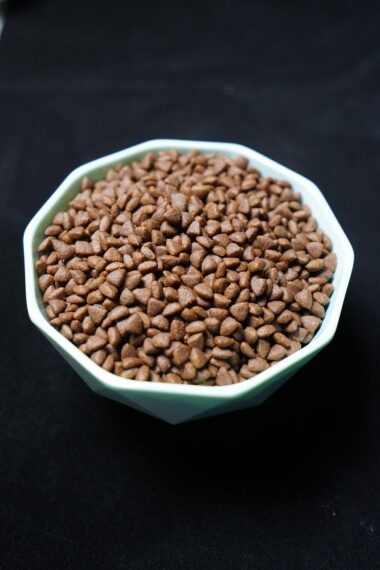
Various sources of fiber can enhance your dog’s nutritional intake. Commercial dog foods often list the fiber content on their labels, with many options tailored to meet different dietary needs. When selecting dog food, look for those containing high-quality ingredients like whole grains, fruits, and vegetables, as these naturally provide fiber. For instance, brown rice, barley, and sweet potatoes are excellent sources of natural fiber. Additionally, pumpkin is frequently recommended due to its high soluble fiber content that promotes healthy digestion. Similarly, green beans and carrots can be an excellent fiber source while providing essential vitamins and minerals. If you prefer homemade diets, integrating these ingredients can significantly boost your dog’s fiber intake. However, it’s essential to avoid sudden dietary changes to bypass any digestive issues. Always ensure that the homemade offerings are well-cooked, particularly starches. Moreover, supplements are available specifically designed to increase fiber in your dog’s diet. Make sure to research or consult with a veterinarian regarding these products to ensure they suit your dog’s needs and avoid potential health risks.
Monitoring your dog’s overall health while adjusting their fiber intake is crucial. An increase in fiber may result in noticeable changes in your dog’s stool and digestion. Keep an eye on symptoms such as bloating, excessive gas, or irregular bowel movements. These issues could indicate that your dog may not tolerate the increased fiber well. It’s important to adjust their dietary fiber accordingly and consult with your veterinarian if problems persist. Additionally, their hydration levels should also be considered, as fiber works best when ample water intake is maintained. Ensuring your dog has access to fresh water at all times helps regulate digestion and supports fiber’s benefits. Another point to consider is the age of your dog; puppies and older dogs may have different digestive capabilities compared to healthy adult dogs. Be mindful that senior dogs might require a modified diet, potentially needing lower fiber options that accommodate their lifestyle. Consequently, these adjustments will optimize your dog’s nutrition and minimize any adverse effects, promoting overall happiness and vitality.
Homemade Fiber-Rich Recipes for Dogs
For pet owners interested in making their dog’s food at home, plenty of fiber-rich recipes can enhance their meals. Incorporating ingredients such as oats, carrots, pumpkin, or sweet potatoes is a great way to naturally increase fiber. A simple recipe might include mixing 1 cup of cooked brown rice, a half cup of mashed pumpkin, and diced carrots. This mix is fiber-rich and can be served as a supplementary meal or showcased as a healthy snack. Remember to avoid using any additives, such as onions or garlic, as they can be harmful to dogs. Another great option is creating homemade dog treats from oats and peanut butter; simply mix oats with a little honey, bake until crunchy, and cut into bite-size pieces. These tasty morsels not only provide fiber but also serve as a delightful reward. When trying new recipes, it helps to introduce them gradually to avoid any digestive upset. Careful preparation helps ensure that your dog enjoys all the benefits without facing any health issues. Always consult with your veterinarian before introducing significant dietary changes to maintain a balanced approach.
Including fiber in your dog’s diet can help manage various health concerns. For example, high-fiber diets may benefit overweight dogs by helping them feel full longer, reducing the urge to overeat. Similarly, dogs prone to constipation or irregular bowel movements can find relief through proper fiber intake. Regular consumption of fiber aids in establishing predictably healthy stool patterns, contributing to better digestive health. Additionally, the presence of fiber can aid dogs suffering from diabetes by helping regulate blood sugar levels. This regulation is crucial for overall health management in diabetic dogs. However, it is important to note that while fiber can significantly contribute positively, it is not a substitute for medical treatment. Dogs should always undergo regular check-ups with their veterinarians, receiving proper advice about diet, health conditions, and fiber intake. The collaborative efforts of dietary management and professional veterinary care support optimal well-being for dogs. Fiber empowers pet owners to take control of their dog’s health, ensuring they lead active and fulfilling lives, free from digestive discomfort and weight-related issues, promoting longevity. This holistic approach ensures every aspect of your pet’s health is carefully monitored and managed, resulting in a happier pet.
Conclusion: Fiber’s Essential Role in Dog Nutrition
In conclusion, recognizing fiber’s essential role within your dog’s nutrition is crucial in maintaining their health. Understanding individual fiber needs can lead to a healthier digestive system and manage weight effectively. Whether sourcing fiber from commercial dog food or homemade recipes, the key to success lies in moderation and gradual introduction. Every dog is unique, and by working closely with veterinarians, pet owners can tailor diets that ensure maximum nutrient absorption and balance. Engaging with your dog’s diet is a powerful way to demonstrate love and care. Those small adjustments—such as including high-fiber foods—can enhance their quality of life significantly. It’s about making informed choices that contribute to long-lasting health benefits while keeping canine companions happy. As you embark on this nutritional journey for your furry friend, remember the importance of consistency, patience, and caution when altering their diet. Ultimately, it’s not just about fiber; a balanced diet comprises various nutrients necessary for holistic health. As always, prioritize quality over quantity, ensuring the food you provide meets the highest nutritional standards, making your dog healthier and happier for years to come.
Ensuring we provide our dogs with a well-balanced diet rich in essential nutrients strengthens the bond between pets and owners. Each dog has unique needs based on different factors, including breed, age, weight, and health conditions, and requires specific attention. By understanding these factors and tailoring their diets accordingly, we cultivate happier, spirited pets. To create an optimal dietary plan, always incorporate gradual transitions when introducing new foods to prevent digestive discomfort. Moreover, regular checkups help monitor their health, ensuring early detection and management of potential issues. Including high-quality commercial food or homemade meals with fiber promotes digestive health and prevents obesity. Consequently, these actions enhance overall vitality and well-being, allowing dogs to enjoy a longer, fulfilling life. Committing to these practices equips each pet owner with valuable insights into caring for their furry companions, reinforcing the importance of quality nutrition. Moreover, families can foster responsible pet ownership by embracing these practices, educating others and collaborating with caretakers to support canine health. By prioritizing a well-rounded dietary approach, we ensure our dogs thrive in a loving environment, showcasing the bond between human and dog that flourishes when nourished and cherished!