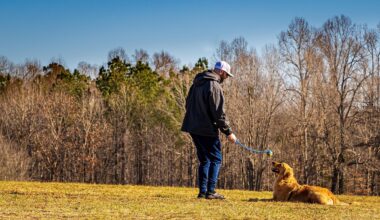

How Socialization Affects a Dog’s Behavior and Temperament
Dog socialization plays a critical role in the development of a dog’s behavior and temperament. The period when a dog is most receptive to learning extends from about three weeks to three months of age. During this window, experiences and interactions can shape personality traits and social responses. Socializing a dog during this crucial period helps to establish a foundation for how they will react to new environments, people, and other animals. Early positive experiences are linked to reduced anxiety, aggression, and fear-based behaviors in later life. Conversely, a lack of exposure during this time can result in reservations or fearfulness in various situations. Encouraging positive, safe interactions with diverse stimuli is key. Socialization should include different people, various settings, other dogs, and other animals if possible. Regular and ongoing socialization can help a dog remain compliant and emotionally balanced as they grow older. Therefore, proactively engaging dogs in social activities is vital for their long-term behavioral health and stability, leading to happier, better-adjusted pets that enjoy life and all its experiences with confidence.
Socialization is not a one-time event, but rather a continuous process that continues throughout a dog’s life. As dogs mature, they still benefit from exposure to new experiences and social interactions that reinforce their learned behaviors from puppyhood. It is essential for dogs to encounter various environments, people, and other pets, as these experiences contribute to beneficial behavior patterns. Keeping socialization ongoing encourages adaptability, making dogs less fearful of new sights and sounds. Training classes, puppy play dates, and supervised outings are excellent ways to promote social interactions. Additionally, ensuring that these experiences are positive helps prevent future behavioral issues. Dogs that have been well-socialized are generally more confident, friendly, and less prone to anxiety or aggression. With proper guidance and patience, owners can help their pets flourish socially, reinforcing their good behaviors while discouraging negative ones. Long-term exposure can result in dogs that perform well in different circumstances, excelling in both their domestic lives and public outings. Maintaining this social aspect of a dog’s life is vital for fostering a well-rounded and emotionally secure companion.
The Importance of Positive Experiences
Positive experiences during socialization have a profound impact on a dog’s mental framework. For instance, a dog exposed to various stimuli—such as people, sounds, and other animals—under positive conditions is more likely to develop a secure temperament. Conversely, negative or overwhelming experiences can trigger anxiety and fear. This brings us to the significance of controlled exposure, where owners ensure that their dog meets new challenges without excessive stress. Establishing a controlled environment for socialization allows dogs to confidently navigate through unfamiliar situations. Moreover, use of treats and praise during socialization aids in creating strong associations with emerging experiences. A dog that associates a particular event, like meeting a new dog, with treats and positive reinforcement is likely to respond more favorably in future encounters. Thus, understanding the essence of positive reinforcement is crucial for pet owners. By observing and adjusting to a dog’s emotions during socialization, owners can tailor their approaches. This method encourages many socially acceptable behaviors while discouraging negative reactions that stem from anxiety or fear, which is vital for a dog’s behavioral health.
Another critical aspect of dog socialization involves recognizing the varying temperaments among individual dogs. Socialization methods may need to be tailored based on a dog’s unique behavior and personality. Some dogs may be naturally more timid, while others could be more outgoing. Understanding these differences allows owners to equip themselves with suitable strategies during socialization events. Gentle introductions for shy dogs may involve controlled meets where they can slowly familiarize themselves with new environments. Alternatively, more boisterous dogs may benefit from robust play with confident canine companions. Thus, adapting strategies to the pet’s temperament can facilitate smoother social encounters, improving their reactions over time. The goal in adjusting socialization tactics is to continue inspiring a positive experience. Observing how a dog reacts during these interactions helps in developing an overall sense of timing and social strategies. Ensuring that the process is enjoyable and enriching is fundamental for success. All dogs, regardless of their inherent temperament, can thrive behaviorally through a structured and pleasant socialization experience, making it essential for pet owners to engage their dogs on an individual basis.
Long-Term Behavioral Benefits
The long-term benefits of effective socialization extend beyond just immediate behaviors; they encompass the overall emotional health of a dog as well. Dogs that experience proper socialization are likely to develop higher resilience against stress and anxiety. Well-socialized dogs often demonstrate more balanced temperaments in adulthood, making them easier companions for families. This balance results in deeper bonds between pets and owners, marking a fulfilling relationship. Additionally, appropriate socialization can significantly minimize problem behaviors such as excessive barking, aggression, or separation anxiety. Owners who commit to ongoing socialization for their dogs can positively influence their dog’s behavioral responses to various stimuli, leading to a more harmonious living environment. Training and interaction must be continually adjusted according to the dog’s experiences and reactions to maintain this harmony. In well-adjusted dogs, the signs of stress or anxiety will be reduced, encouraging proactive measures from owners to support their pets’ emotional health. This results in a virtuous cycle of improved behavior and heightened quality of life for both dogs and their owners.
Another factor to consider in the discussion of socialization is the role of temperament assessment prior to introducing new experiences. Understanding a dog’s baseline temperament can significantly influence the way socialization is approached. For instance, dogs with a history of negative encounters may require a more gradual and gentle approach to new stimuli. Conducting an assessment can uncover specific fears or anxieties, guiding owners in devising tailored socialization plans that cater to their dog’s needs. Furthermore, identifying these aspects ahead of time will also reinforce the importance of observation during interactions. This familiarity leads to better support during socialization, ensuring that the dog does not feel overwhelmed or frightened in challenging situations. Essentially, ensuring awareness of a dog’s unique temperament helps advocate better strategies and clearer paths for socialization refinement. Ensuring each outing is adapted to the pet’s needs is integral. Achieving this balance fosters an encouraging platform for dogs, allowing them to engage positively with their surroundings, remain secure, and thrive emotionally.
Promoting Socialization in Different Settings
Encouraging socialization in diverse contexts can further enhance a dog’s adaptability and comfort levels in varied situations. Engaging dogs in specialized classes, such as obedience, agility, or even therapy work, exposes them to new challenges, community members, and experiences. These interactions pave the way for more diverse social networks and confidence-building activities. Introducing distractions—like noise or crowds—helps solidify the skills learned in quieter settings. Socializing in varied environments such as pet-friendly cafes or dog parks can stimulate positive emotional responses and adaptability. Furthermore, controlled meetups with dogs of different sizes, breeds, and temperaments can enrich social experiences, allowing dogs to refine their skills. Engaging in new activities not only reinforces good behavior but also adds excitement to routine life, keeping dogs mentally stimulated. To maintain this beneficial social interaction, owners should consistently assess the dog’s comfort level and response to new environments. By prioritizing an adaptable approach to socialization and understanding its importance, owners can successfully facilitate their dog’s growth toward a well-rounded and confident temperament.
Ultimately, investing time and effort in dog socialization yields invaluable rewards for both the pet and its owner. A well-socialized dog provides a more enjoyable experience for everyone they come into contact with. Friends, family and strangers alike will appreciate a friendly, self-assured dog. Additionally, a confident dog translates into a more relaxed owner, thus fostering a healthier bond. As the dog grows accustomed to social interactions, training can be perceived as effective and rewarding. Furthermore, socially skilled dogs are often better positioned to participate in various activities, excursions, and community events. From playgroups to family gatherings, a well-rounded dog enhances enjoyment for all participants. Engaging in a proactive approach to socialization ensures lifelong benefits, leading to positive behavioral patterns and solid psychological well-being. Owners should recognize their role in their dog’s development, implementing smart socialization strategies. This ongoing commitment helps create an environment of trust and happiness for both pets and owners. Ultimately, evaluating socialization’s multifaceted results empowers dog owners to prioritize their dog’s experiences, leading to a brighter, more enriched future with their beloved pets.