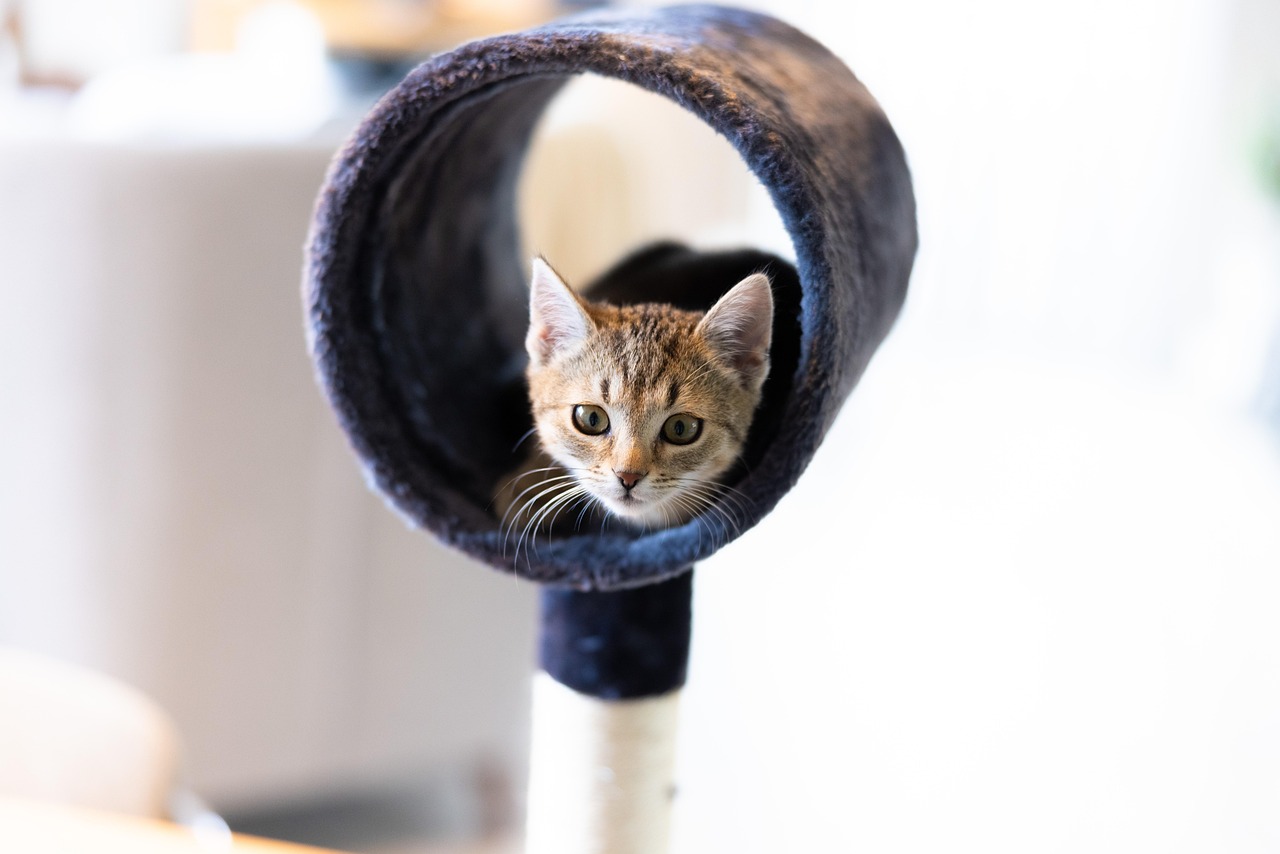

How to Monitor Your Cat’s Progress with Interactive Toy Training
Monitoring your cat’s progress when training with interactive toys is vital for both efficacy and enjoyment. Start by selecting appropriate toys that resonate with your cat’s interests and instincts. Interactive toys, from feather wands to puzzle feeders, stimulate mental engagement and physical activity. Begin with simple toys to ease your cat into the training process. Document your cat’s initial reactions and capabilities, noting preferences and areas needing improvement. Regularly assess their interaction level, ensuring they are not just entertained but actively engaged. Gradually increase the complexity of toy interactions as your cat grows comfortable and confident. Utilize a notebook or digital app to track these changes over time for accurate understanding. Look out for behavioral improvements, such as increased dexterity and longer engagement periods. Moreover, plan regular assessments during training sessions, noting distinct progressions in toy mastery. Always ensure positive reinforcement throughout the process, rewarding your cat for milestones achieved. This creates an encouraging atmosphere fostering deeper interaction with their toys, boosting their overall confidence and enthusiasm. All these combined strategies yield significant benefits in observing your cat’s the advancement concerning interactive toy training.
Observing your cat’s behaviors can reveal their emotions and cognitive responses when interacting with toys. Initially, take note of how your cat approaches new toys, as their curiosity can determine engagement levels. If they show hesitation, it might indicate the toy is too complex. Conversely, instant engagement suggests that it captures their interest effectively. Pay attention to their playstyle; some cats may use a strategy of stealth, while others are more direct. As they grow accustomed to interactive experiences, noticing how they manipulate toys can illustrate developing skills. Record instances of innovative problem-solving, highlighting their cognitive growth. Along with this, measure the duration of play sessions as an indicator of improvement. Longer playtimes suggest not just interest but also mastery of the toy’s mechanics. Additionally, consult your veterinarian for feedback on how physical play is affecting your cat’s health and behavior. They can provide specialized advice to enhance the training process further. Engage family members in the observations to gain diverse perspectives and insights on your cat’s behavior. This collaborative approach enhances the training experience and creates a comprehensive understanding of your cat’s journey through interactive toy training.
Incorporating a reward system during interactive toy training can significantly incentivize your cat’s engagement. Establish a consistent method for providing rewards, such as treats or praise, whenever they successfully interact with the toy. Timing is essential; immediately following positive behavior, offer a reward, establishing connections between actions and praise. Choose treats that your cat adores to maximize motivation. Likewise, ensure that rewards are offered sparingly to avoid overfeeding during training sessions. By associating successful play with positive outcomes, your cat will develop a willingness to learn and explore its toys. Celebrate small victories, such as discovering how to make a toy work, to reinforce their progress positively. Create milestones leading to larger rewards, which builds anticipation and excitement around training sessions. Furthermore, consider social rewards like petting and encouraging vocalizations because these strengthen your bond with your cat. Regularly reevaluate this reward system based on their changing preferences. Adapt to their shifts in interest; what excites them today may vary in the future. By doing so, you ensure continuous motivation and engagement throughout the interactive toy training journey. Developing a solid reward strategy is crucial to fostering an enjoyable and productive training environment.
Adjusting the Training Process
As the training progresses, adjustments may be necessary based on your observations. Each cat is unique, responding differently to various toys and methods. Therefore, if a specific toy fails to engage or excites them less, consider switching it out for something new. This variation keeps the training fresh and stimulating. Also, assess your cat’s energy levels and mood; timing plays a substantial role in their willingness to engage. Train during active hours for them, utilizing their natural playful tendencies. Moreover, flexibility in training frequency is crucial; short bursts of playtime tend to maintain interest better than longer sessions. If a training session feels tedious for you or your cat, don’t hesitate to end early and try again later. Regularly interspersing interactive play when engaging with simple toys helps maintain a balance. Gradual transitions from complex activities back to basics can reinforce learned skills without causing frustration. Remember, patience is crucial during these adjustments, as broad fluctuations are normal in training progress. Stay attuned to your cat’s cues and reconfigure methods accordingly to cultivate continued enthusiasm for interactive toy exploration.
Keeping a progress journal can significantly enhance your ability to monitor your cat’s interactive toy training. Create a detailed record of daily sessions, including descriptions of the toys used and your cat’s reactions to them. Reference specific behaviors, noting any emerging patterns that enhance your understanding of lessons. As you review insights, consider establishing a rating system for interactions; a simple scale could help quantify their engagement levels. Furthermore, incorporate photos of your cat utilizing different toys—this allows you to visualize their gains over time. Creating a timeline of these moments fosters an even greater sense of achievement during training sessions. Occasionally sharing this journal with friends or family members invites feedback and alternative ideas that can enhance the experience. Additionally, posting updates on social media or community forums could also connect you with fellow cat owners to share techniques and experiences. Networking exposes you to ideas on new toys and strategies, propelling your training to the next level. Through engaging with others, you may discover valuable tips for maximizing your cat’s learning potential and enhancing their enjoyment in the process of interactive toy training.
Identifying signs of advancement in skills is integral to ensuring the effectiveness of your training strategy. As your cat begins to master toys, monitor how they engage over time. Successful interactions showcase improvements in both physical coordination and cognitive skills. Notable progress could manifest as your cat figuring out tricky puzzle toys in shorter times or playing more independently. Take note of changes in focus and perseverance; cats that persist longer when faced with challenges indicate growth in their problem-solving abilities. Furthermore, assess their emotional response; happy, confident, and relaxed cats display signs of advancement. To reinforce this engagement, introduce varied difficulties, challenging them appropriately without frustration. Adjusting toy complexity according to your cat’s developing skills prevents stagnation while fostering enthusiasm. Consider scheduling routine evaluations every few weeks to benchmark progress objectively. Share these insights with your veterinarian for a professional perspective on overall behavior, offering valuable feedback. Documenting your observations builds an even richer understanding of your cat as a companion while optimizing the training process. Thus, consistently identifying and acknowledging growth enhances your cat’s learning experience, solidifying the bond between you and your pet.
Conclusion: Fostering a Joyful Training Journey
Ultimately, your approach to monitoring your cat’s progress during interactive toy training should be both systematic and adaptable. Through consistent evaluation and thorough observation, you will enhance not just your cat’s skills, but also the enjoyment of both parties involved. Utilize tracking methods such as a journal, along with clear reward systems that acknowledge achievements. Adjusting play styles or toy selections based on your observations fosters an engaging environment. Social aspects like sharing experiences with other pet owners can yield incredible insights, inspiring even greater enthusiasm in your training sessions. Always keep in mind that training should remain a positive experience—if frustrations arise, take a step back and re-evaluate approaches accordingly. Just as your cat progresses, expect to evolve during this journey. In building your cat’s confidence through engaging play, you cultivate a loving bond enriched by shared experiences and learning. Eventually, the goal is a well-trained cat that gets immense joy from toys and boasts stronger overall well-being. Embracing these tips and insights will lead to successful training, enhancing your relationship and your cat’s happiness for years to come.
Remember, the training process is a journey worth celebrating, with every new skill learned representing a step in your cat’s growth. Pay attention to the varying aspects of cat training, particularly when applying interactive toys as tools for development. With every successful interaction, you are also deepening your bond. By remaining patient, organized, and open to change, this entire training experience can become enjoyable for both you and your beloved feline companion. Monitor progress closely, assessing how well your cat engages and grows with the training. This comprehensive approach not only highlights successes but also addresses challenges, ensuring you work effectively toward larger training goals. Furthermore, take each moment as a reminder of the joys of pet ownership. Celebrate the small victories while remaining dedicated to the overall objective of fostering a happy and engaged cat. You’ll find that patience, love, and persistence lead to lasting transformations in their engagement with interactive toys. Overall, as they develop skills through play, it becomes increasingly clear how impactful this journey is for enhancing emotional well-being.