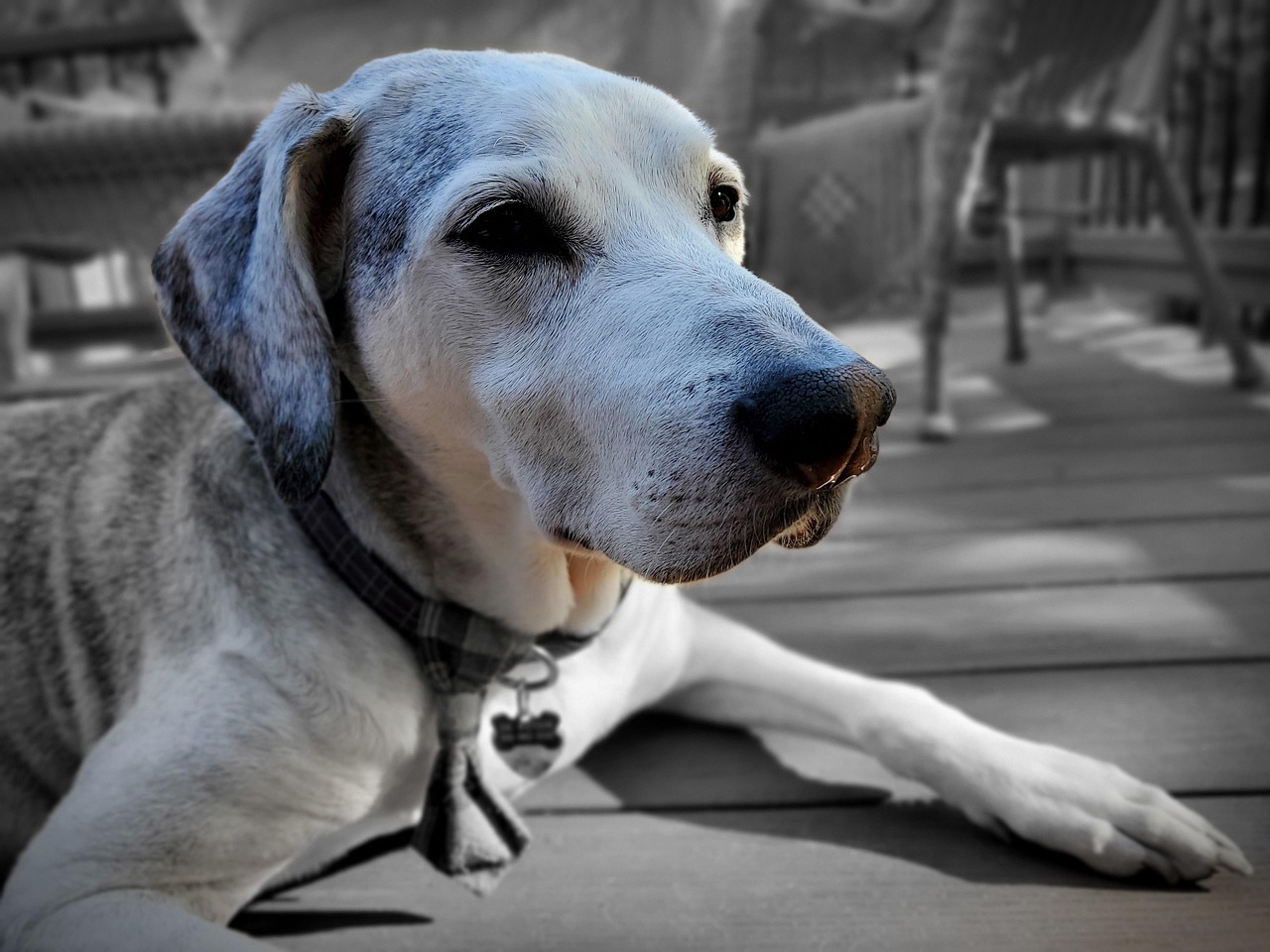

How to Set Up a Health Monitoring System for Your Senior Dog
Establishing a health monitoring system for your senior dog is vital to ensure their well-being and longevity. As dogs age, they require more attention, particularly regarding their health. This monitoring system can help you track changes in their behavior and vital signs that may indicate health issues. The first step is to schedule regular veterinary check-ups to establish baseline health metrics. Monitor their weight, activity levels, and eating habits consistently. Utilizing a pet health app can be a valuable tool for recording these metrics. You can also set reminders for medication and vet appointments. Use a notebook or digital tool to log important observations, such as changes in appetite, water consumption, or unusual behaviors. By diligently recording these details, you can provide your vet with a comprehensive overview during each visit. Moreover, consider incorporating wearable health monitoring devices designed specifically for dogs. These gadgets can track vital signs like heart rate and activity levels. Engaging in a conversation with your veterinarian about the most suitable monitoring tools for your dog is key. Ultimately, this system will not only provide peace of mind but will also enhance your dog’s quality of life.
One critical component of your health monitoring system should focus on dietary adjustments tailored to your senior dog’s changing needs. As dogs age, their metabolism slows down, requiring you to adjust their food portions and nutritional intake. Research the best senior dog food options available, comprising digestible proteins, vitamins, and minerals that support joint health and cognitive function. Introducing supplements like Omega-3 fatty acids and glucosamine can be beneficial for their joints and coat health. It’s essential to consult your vet before making significant changes to your dog’s diet. Keep an eye on your dog’s reactions to new foods, particularly when introducing them gradually to avoid gastrointestinal upset. Track their weight closely to ensure they maintain a healthy range, as obesity is a common issue in senior dogs. Regularly check for dental issues that often arise in older pets, leading to potential weight loss or discomfort. Enhance their eating experience by providing a comfortable and quiet place for meals. Monitoring hydration is equally important; ensure your dog always has access to fresh water. Proper hydration contributes significantly to overall health and can prevent potential health problems.
Behavioral Observations
Monitoring your senior dog’s behavior is just as crucial as tracking their physical health. Changes in behavior can frequently signal underlying health issues. Pay attention to their energy levels, social interactions, and preferences. If your normally active dog suddenly becomes lethargic or refuses to engage in play, it can be a warning sign. Daily routines should be maintained, but slight adjustments to accommodate their limitations may be necessary. Note any signs of anxiety, such as excessive barking or restlessness, especially during changes in routine or environment. Engaging your dog in light exercises, like short walks or gentle play sessions, can help assess their physical capabilities. Consider utilizing various enrichment activities like puzzle toys to stimulate their minds, as cognitive decline is common in senior dogs. Also, establish a consistent routine for meals and bathroom breaks to reduce confusion or anxiety. Incorporate relaxation techniques, such as gentle petting or massaging, to help them feel more secure. If you notice concerning behavior changes, don’t hesitate to consult with your veterinary professional for guidance on behavioral management techniques. Accurate observations can lead to early detection of potential health complications.
In addition to behavioral tracking, implementing a system for monitoring your dog’s mobility is essential. Senior dogs may experience arthritis or joint pain, significantly affecting their mobility. Regularly assess their ability to climb stairs, jump into the car, or get up from lying down. If your dog struggles with these activities, it might be time to consult with a veterinarian for possible treatment options or modifications in their routine. Keeping a close eye on mobility changes can provide valuable insight into their overall health status. You might consider providing ramps or orthopedic beds to ease their movements. Encourage low-impact exercise like swimming or walking on soft surfaces to keep their joints functioning well. Regular physical activity also helps maintain a healthy weight and prevents obesity. Monitoring signs of discomfort, such as limping or whining, is crucial; these could signal potential pain or injury. Use leash walking techniques that prevent strain, and be observant of your dog’s posture while moving. With proper monitoring of their mobility, you can make timely modifications to their lifestyle, ensuring a more comfortable life for your beloved senior dog.
Consultation with Veterinarians
Establishing a strong relationship with your veterinarian is key to your senior dog’s health monitoring system. Regular veterinary visits can help catch any potential health issues before they become severe. During these check-ups, ensure to share all observations you’ve noted regarding your dog’s behavior, weight, and mobility. Discuss potential tests that can assess their organ function and screen for age-related diseases like diabetes or kidney failure. Keep track of vaccination schedules and parasite prevention treatments, as senior pets might become more susceptible to infections. Take advantage of their expertise when asking questions about diet, exercise, and overall care for your dog. If your vet recommends specific monitoring tools or technologies to assist you in tracking your dog’s health, consider investing in those resources. A specialized health monitoring tool can enhance your understanding of your pet’s well-being. Engaging in discussions about pain management and palliative care is also essential if your dog is diagnosed with chronic conditions. Create a health plan together that involves preventative measures, routine check-ups, and timely interventions to keep your senior dog as healthy as possible.
Utilizing technology can significantly aid in monitoring your senior dog’s health. Various applications and devices have emerged, designed to help pet owners track their dogs’ behaviors, health metrics, and vet appointments efficiently. Consider using smartphone applications that allow for real-time data entry, which can streamline your record-keeping process. These digital tools can assist in logging food intake, exercise, and medication schedules, all in one place. Moreover, some advanced wearable devices for dogs can continuously monitor vital signs, giving you instant alerts if something goes amiss. The information collected can provide valuable insights into your dog’s condition over time. Research reviews and recommendations on the best applications or devices available to find the right fit for you and your pet. Make sure the technology you select is user-friendly and matches your dog’s unique demands. Engaging your family members in this tracking approach can create a communal responsibility for your pet’s health. Ultimately, embracing technology promotes better communication with your vet and enhances your ability to understand and support your senior dog’s health journey effectively.
Maintaining Emotional Health
In addition to physical health monitoring, maintaining your senior dog’s emotional well-being is crucial. A dog’s quality of life greatly depends not only on physical care but also on their emotional state. Ensure they experience a loving and stress-free environment, as anxiety can exacerbate health issues. Spend quality time with them, engaging in gentle activities that stimulate their minds, such as learning new tricks or exploring new environments. Establishing a daily routine can help reduce anxiety and create predictability in their lives. Consider the use of calming scented toys or anxiety wraps designed for dogs. Regular social interaction with familiar humans and other dogs can also enhance their emotional state. Watch for signs of distress, such as excessive barking or refusal to engage. If your dog appears withdrawn or anxious, consider seeking advice from a pet behavior specialist. Sometimes, behavior modifications or anxiety-reducing products might be warranted. Remember that your senior dog thrives on love and attention, so always prioritize emotional health as a fundamental part of their overall care. By creating a supportive emotional environment, you will contribute positively to your dog’s health monitoring system.
As a caring pet owner, implementing a comprehensive health monitoring system for your senior dog will enhance not only their physical well-being but also their emotional health. This system must encompass regular veterinary check-ups, dietary adjustments, behavior tracking, mobility assessments, and incorporating technology. By observing and recording changes and routines, you are better equipped to address any potential health concerns early on. Additionally, engaging with your vet can help you tailor a plan specific to your dog’s needs and lifestyle. Taking care of your senior dog is an ongoing commitment that requires awareness and dedication. Remember to include emotional health and enrichment activities, which play a vital role in quality of life. When dogs feel loved and secure, they are likely to exhibit happy and healthy behaviors. Keeping up with their health can be truly rewarding and ultimately help strengthen your bond. Enjoy the companionship and wisdom that comes with caring for an older dog, and share these strategies with fellow pet owners. By doing so, you contribute to a community of dog lovers dedicated to providing senior pets with a wonderful quality of life. Your efforts will reflect positively on your beloved canine friend’s happiness and longevity.