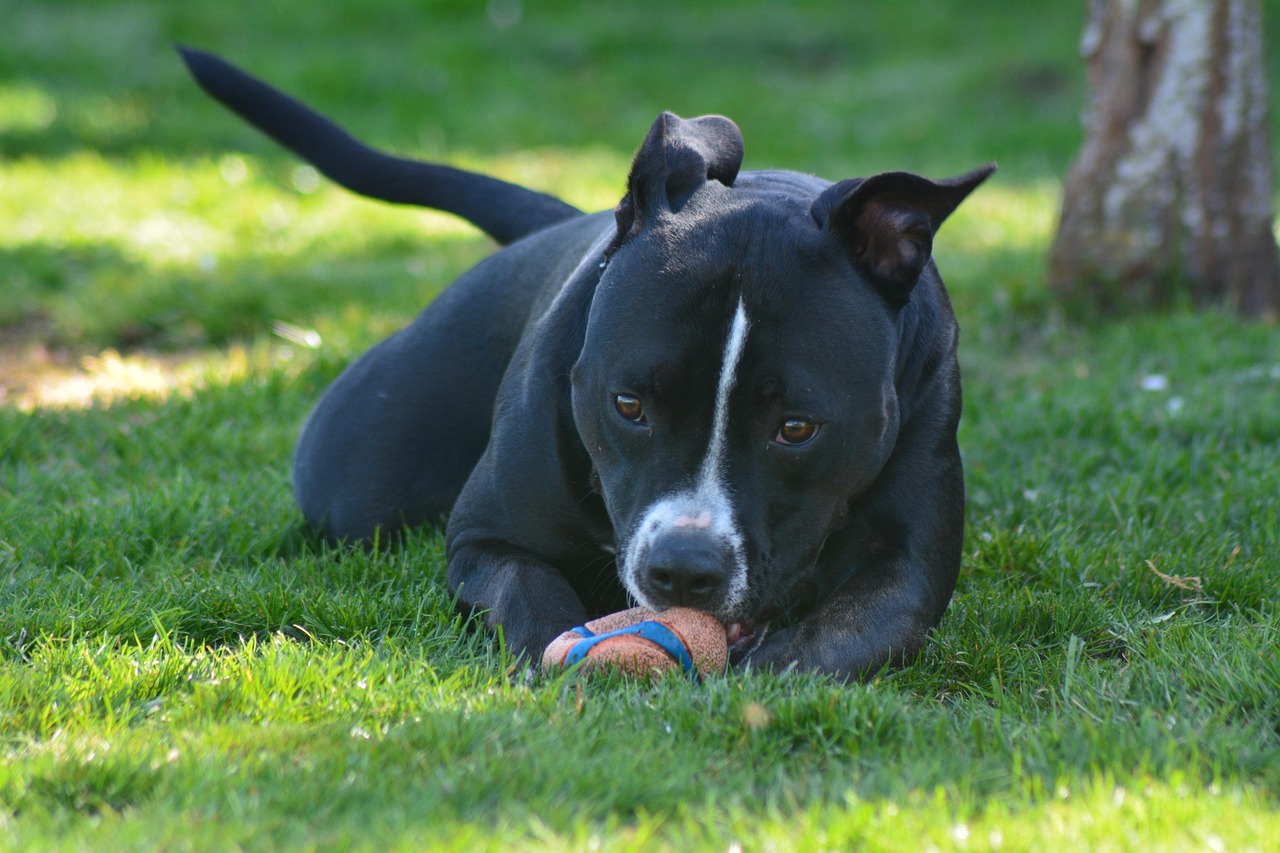

Puppy Playdates at Dog Parks vs. Private Settings
Puppy playdates are essential for your dog’s socialization and development. They provide opportunities for puppies to learn appropriate social behaviors, build confidence, and enhance interactions with other dogs. Pet owners often choose between hosting playdates at dog parks and meeting in private settings. One advantage of dog parks is the variety of dogs your puppy can meet, exposing them to different personalities and sizes. This variety can help in teaching them how to interact with a wide range of canine companions, promoting adaptability. Additionally, parks are often equipped with ample space for running, exploring, and playing, making them enticing for energetic puppies. However, the open environment can also be overwhelming for some dogs, especially those who are shy or less confident. In such cases, private settings may be more beneficial. Private playdates offer a controlled environment, where puppies can interact closely with familiar dogs. Gradually introducing your puppy to new experiences can ease anxiety and foster positive social behaviors, resulting in well-adjusted pets. The discussion of the benefits of both settings continues as pet owners evaluate their puppy’s unique needs when planning social outings.
Timing and frequency of playdates can also influence your puppy’s socialization experience. Regular playdates are crucial, as they help establish a routine that puppies can rely on for social learning and fun. A consistent schedule allows your puppy to look forward to meeting their friends, thereby developing stronger bonds. Nonetheless, the type of playdate you choose may also depend on your puppy’s age, size, and temperament. For younger dogs, a controlled environment might be more appropriate, while older or more social puppies might thrive in dog parks. The effectiveness of each venue can vary widely, making it important to observe your puppy’s reactions in both settings. Many pet owners find that a balanced approach, alternating between private playdates and trips to dog parks, enhances their puppy’s socialization skills. Here are some key considerations: 1. Monitor your puppy’s comfort level in each setting. 2. Maintain a small group of known dogs for private playdates. 3. Choose dog parks with a separate area for small dogs. 4. Supervise interactions during both types of playdates to ensure safety.
Assessing Your Puppy’s Behavior
Understanding your puppy’s behavior is essential in determining the best playdate setting. Each puppy has a unique personality, and their comfort with other dogs can vary significantly. Some puppies may embrace the excitement of a bustling dog park, whereas others may feel more anxious and overwhelmed. Observing your dog’s body language can provide insights into their stress levels or comfort in social situations. Signs of anxiety may include hiding behind you, excessive barking, or avoiding interactions, while relaxed behavior can be indicated by wagging tails, play bows, and approaching other dogs with confidence. If your puppy shows signs of nervousness at the dog park, it may be a good idea to focus on private playdates first. Slowly integrating them into larger group settings can help them acclimate to the dynamics of a dog park environment. Additionally, pay attention to how your puppy interacts with different breeds and sizes of dogs. Understanding these interactions can help you guide their socialization experiences and foster healthy relationships with canine companions.
Training is another factor affecting your puppy’s experience during playdates. Teaching basic commands such as sit, stay, and come can greatly enhance safety and communication during social outings. Furthermore, these commands can help redirect your puppy’s behavior if they become too excited or anxious. Training can provide your puppy with a foundation of social skills that can be applied in both private settings and dog parks. Reinforcement of good behavior during playdates with verbal praise or treats can also encourage your puppy to engage positively with other dogs. Attending training classes with your puppy may help you better understand how they interact with peers while refining their skills. In addition, consider incorporating training exercises during playdates, allowing each puppy to practice new commands in a fun and interactive environment. By combining formal training with socialization, your puppy can develop appropriate behavior in any situation. Successful puppy socialization often results from a combination of positive experiences, training, and gradual exposure to various environments.
The Role of Supervision in Playdates
Supervision plays a critical role in ensuring the safety and enjoyment of playdates. Whether at a dog park or a private meeting, having a responsible adult present can help monitor interactions between puppies. An enthusiastic playdate can quickly turn chaotic if left unchecked; therefore, active supervision is vital. Keep an eye out for signs of aggression, fear, or stress, and intervene if necessary. It’s essential to be able to identify playful behavior versus signs of conflict, such as raised hackles or growling. Ensuring that all participating dogs are compatible in size and temperament is also crucial. Smaller dogs can become easily overwhelmed by larger dogs, potentially leading to injuries. In private settings, having a few well-known dog friends might help create a positive and low-stress atmosphere for your puppy. Conversely, in a public dog park, ensure the area is designated for their size group to avoid mishaps. Socialization should be fun and beneficial for all involved, but safety must always take priority. Consider discussing prior experiences with other dog owners to gauge the temperament and compatibility of new playmates.
Another advantage of private playdates is that they can be easily tailored to suit your puppy’s specific needs and preferences. Flexible scheduling allows pet owners to arrange gatherings that suit all parties involved, benefiting both dogs and their owners. Additionally, focusing on a smaller group means less overwhelming situations, allowing for quality interactions rather than merely chaotic play. You can also select locations that your puppy finds familiar and comfortable, whether at home or a friend’s yard. This environment can help ease any anxiety, allowing your puppy to feel secure as they engage with their playmates. Private spaces can be enriched with toys, agility equipment, and other interactive elements to foster an even more engaging experience. Tailoring the experience to your puppy’s preferences can help create lasting positive associations with social interactions. Moreover, private playdates can encourage bonding between dog owners, leading to shared experiences and advice that strengthen the dog community. Ultimately, shaping your puppy’s socialization journeys according to their individual needs contributes tremendously to their overall happiness and future interactions with other dogs.
Conclusion: Making the Right Choice
Choosing between playdates at dog parks or in private settings largely depends on your puppy’s unique personality and comfort levels. A well-rounded approach can combine the benefits of both environments, allowing your puppy to thrive socially. Remember, socialization is a gradual process; patience will yield the best outcomes. Observe your puppy’s reactions and adjust playdate settings accordingly as they grow more confident. It might be helpful to mix experiences to equip your puppy with tools for dealing with various social situations throughout their life. Consulting with trainers or experienced dog owners can provide additional insights based on your specific puppy’s needs. Ultimately, the goal is to foster a well-adjusted dog who is comfortable interacting with other dogs. Whether you opt for vibrant dog parks or intimate private gatherings, enriching experiences will undoubtedly contribute to your puppy’s overall socialization success. No matter what path you choose, ensure that playdates remain enjoyable and constructive for both puppies and their humans. Engaging in puppy playdates is an invaluable aspect of raising a happy and socialized dog.
Planning for future playdates is vital to ensuring continued success. You can create a calendar that outlines dog park visits, private gatherings, and any training sessions you wish to incorporate into your plan. Regularly scheduled experiences will help reinforce social skills as your puppy grows. Moreover, tracking any behavioral changes can provide insights into how your puppy is adapting to various situations. Note whether they exhibit more confidence over time or react differently to unfamiliar dogs. Also, sharing your observations with other dog owners can facilitate discussions and provide valuable feedback on how to enhance the socialization process. Additionally, encouraging a positive attitude during encounters, whether in a park or private setting, can further solidify your puppy’s comfort levels. Always celebrating small milestones can also be beneficial. Celebrate the opportunities where your puppy successfully interacts with new dogs or overcomes fearful behavior. This acknowledgment not only builds confidence but encourages you as a dog owner to continue socializing your puppy effectively. In this journey of puppy playdates, proactive planning, patience, and consistent effort will undoubtedly yield rewarding results.