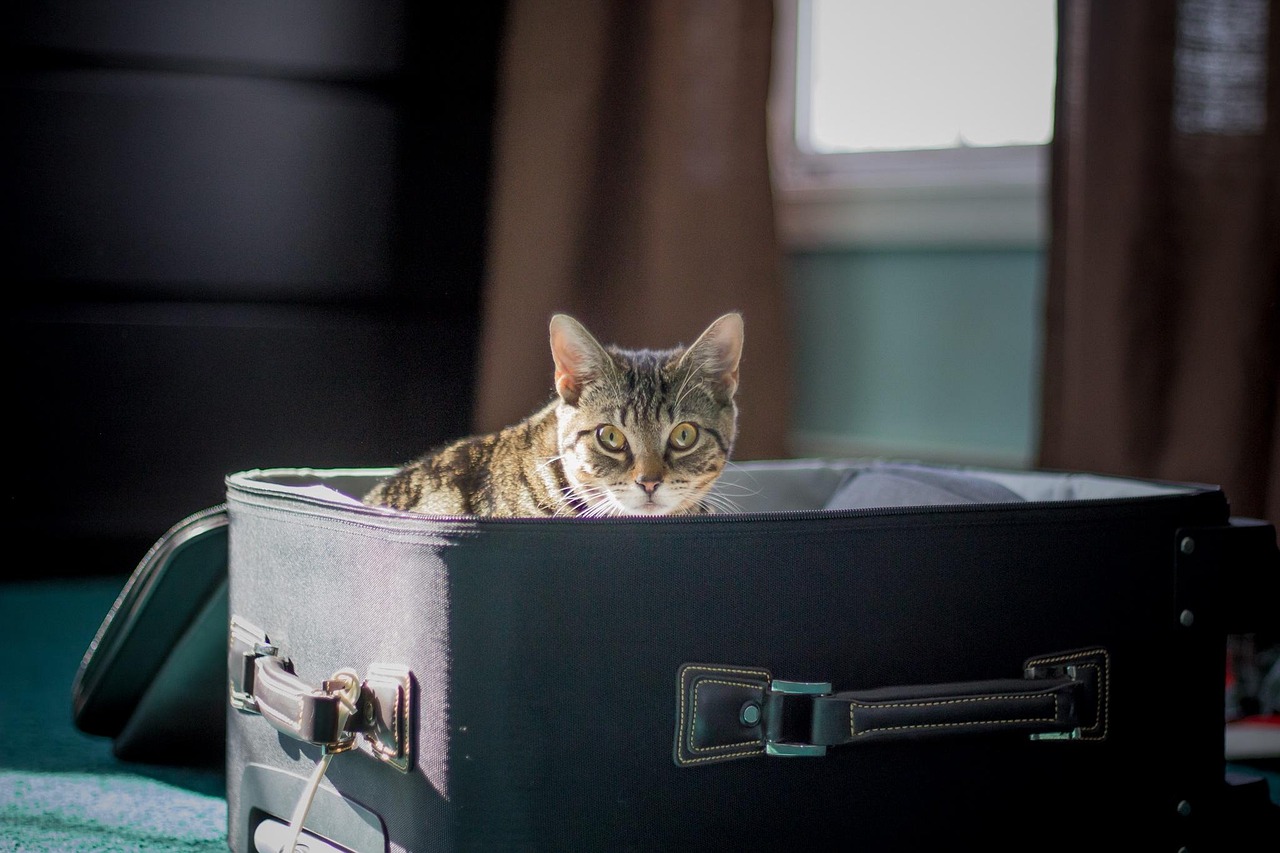

Safe Handling of Kittens: Special Considerations During Travel
When traveling with kittens, ensuring their safety and comfort is paramount. Kittens can be particularly fragile as they are still developing, and their needs differ from those of adult cats. It’s important to use a secure pet carrier that is designed for travel, providing adequate ventilation and safety. The carrier should be spacious enough for the kitten to stand up, turn around, and lie down comfortably. Many pet carriers come equipped with safety features, but ensure that you choose one that meets airline regulations if you’re flying. Inside the carrier, place soft bedding to make the environment more inviting.
It is advisable to start acclimating your kitten to the carrier well before the trip. This can help to reduce stress and anxiety, making the journey easier. Place treats and favorite toys in the carrier so the kitten associates it with positive experiences. Practice short trips to help your kitten become accustomed to being transported. Make sure the carrier is secure in the vehicle to prevent accidents. If you’re traveling by car, stop at regular intervals to check on your kitten and offer them water. Avoid leaving your kitten in the car alone, as temperatures can rise dangerously quickly.
Feeding Tips While Traveling
During travel, it’s essential to maintain your kitten’s feeding schedule as consistently as possible. To do this, pack their usual food and offer them small amounts throughout the trip. Overfeeding can lead to motion sickness, so keep portions moderate. Consider bringing a portable water bowl for hydration. It’s vital to offer water during the journey, especially in warmer weather. If your kitten is unaccustomed to eating while on the go, try offering treats or small bites they typically enjoy. Ensure that their food remains secure to avoid mess in the carrier.
When you reach your destination, set up a quiet area where the kitten can explore safely. Familiar surroundings can reduce anxiety. Bringing along familiar items like bedding or toys can help them adjust quicker. Avoid overwhelming your kitten with too many new experiences at once; let them explore at their pace. Safety should be your priority upon arrival. Monitor them closely to ensure their comfort and health in a new environment. Always maintain a calm demeanor, as cats often pick up on their owner’s anxiety or stress levels.
Precautions for Unexpected Situations
Despite best efforts, unexpected situations can arise during travel with kittens. Always have a plan for emergencies, including a vet’s contact information stored conveniently. Before travel, ensure your kitten is microchipped and has a collar with identification tags. Should your kitten escape while traveling, having this information is crucial for their safe return. A travel first-aid kit can be invaluable; it should include, among other items, antiseptic wipes, bandages, and any specific medications your kitten may need. This preparation will make addressing any issues easier and more efficient.
During travels, keep an eye on your kitten’s behavior for signs of distress. Vocalization, panting, or refusal to eat and drink can indicate anxiety. If you notice any health concerns arise from the travel experience, consult a veterinarian promptly. Always prioritize your kitten’s well-being. If they appear highly stressed, consider taking breaks during long trips. Transitions between new environments can trigger anxiety, and patience is essential. Gentle handling and reassurance can help the kitten feel safe, so speak softly and handle them with care throughout the journey.
Settling In After Travel
Upon arrival at your destination, give your kitten time to adjust. Start by providing a small safe space where they can explore. This area should be designated to help them transition easily from travel to their new environment. Introducing food, water, and a litter box in this space will allow them to adapt comfortably. It’s not unusual for kittens to exhibit temporary behavioral changes following travel, such as hiding or being more reserved. Providing them with a sense of security will foster trust between you and your pet, which is essential for their mental well-being.
Monitoring your kitten’s behavior during the settling period is important. Be attentive to any signs of stress or anxiety. Encourage your kitten with toys and gentle interaction once they seem more comfortable in their surroundings. Creating a safe and enriching environment can help facilitate this process. Allow your kitten gradual access to the complete living space to avoid overwhelming them. Establishing a consistent routine also benefits their adjustment, helping them feel settled more rapidly. Overall, careful attention and understanding of your kitten’s needs while traveling are crucial for a positive experience.