
The Science Behind Canine Social Behavior and Training
Understanding canine social behavior is essential for effective dog training. Dogs are inherently social animals, evolving from pack-dwelling ancestors. Their communication relies heavily on body language, vocalizations, and social interactions. Effective training focuses on these elements, as they help dogs integrate into family dynamics successfully. Socialization skills significantly reduce undesirable behaviors, such as aggression or excessive barking. Training should begin early in a dog’s life, ideally within the first few months. By exposing puppies to various environments, people, and other animals, their adaptability and confidence develop positively. Socialization not only prevents fear-based responses but also fosters healthy relationships between dogs and humans. Utilizing positive reinforcement techniques, such as treats and praise, reinforces desired behaviors effectively. Additionally, incorporating play can enhance these training sessions, generating excitement and engagement. Observing and responding to canine body language is critical. Each dog has a unique way of expressing feelings. Understanding this language aids in a smoother interaction between humans and dogs. A comprehensive training program addresses socialization as a vital component, ensuring dogs learn how to interact politely with others. Ultimately, investing time in socialization leads to well-adjusted, happy dogs in our communities.
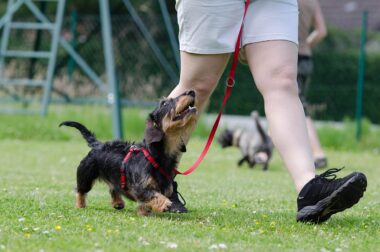
The role of positive reinforcement in training cannot be overstated. By rewarding desired behaviors, dogs learn quickly what actions are acceptable. Behavioral science shows that positive reinforcement can create strong associations in a dog’s mind, making training enjoyable for them. For instance, when a dog approaches another calmly and is rewarded with treats or praise, it is more likely to repeat this behavior. Socialization is a vital aspect of this process, as it provides numerous opportunities for dogs to learn from their interactions. Training should encompass diverse situations where dogs can safely meet different people, other dogs, and various stimuli. This exposure prevents fear or anxiety in social scenarios. Furthermore, it’s essential to approach training sessions with patience and understanding. Dogs may have varying learning paces; respecting these differences is fundamental. Gradually increasing the complexity of social situations helps dogs build their confidence. Consistency in training routines also establishes clear expectations for dogs. Utilizing group training classes can enhance socialization by providing a controlled environment with distractions. These classes offer both training and social interaction, making them invaluable for puppies and adult dogs. Integrating socialization into regular training routines yields lasting benefits for dogs and owners alike.
The Importance of Early Socialization
Early socialization is crucial in a dog’s life for development and adjustment. This period of socialization typically spans from three weeks to sixteen weeks of age, where significant learning and exploration occur. During this time, a puppy is like a sponge, absorbing experiences and learning the fundamentals of canine behavior. Exposure to a variety of sights, sounds, and individuals helps prevent behavior problems in adulthood, such as fear-based aggression. Early experiences shape a dog’s future interactions and responses to new environments, making them more adaptable. Engaging with other healthy, vaccinated dogs instills positive canine social skills. Learning appropriate play behaviors teaches boundaries and communication. Puppy classes can enhance this experience, providing structured interactions with other dogs under supervision. Socialization shouldn’t stop with puppyhood; it remains a lifelong endeavor, vital for emotional stability. Continued social exposure reduces anxiety and bolsters a dog’s confidence in unfamiliar situations. A well-socialized dog is generally friendly and approachable. The impact of early socialization extends beyond individual dogs into communities, ensuring harmonious cohabitation with humans and animals alike. Investing early in a dog’s social education builds a strong foundation for a healthy, balanced pet. This approach must always be approached positively.
When addressing canine social skills, understanding body language is imperative. Dogs communicate primarily through their posture, facial expressions, and overall demeanor. Recognizing these signals helps dog owners understand how their dogs feel in different situations. For instance, a wagging tail can indicate happiness, but many factors influence this action’s meaning. A stiff body signals tension or discomfort, often indicating the dog is unsure about the interaction. Therefore, teaching dog handlers to observe these cues is vital for successful socialization. Early training should include focusing on behaviors such as play bowing, sniffing, or curiosity — all signs of a dog demonstrating friendly intent. Engaging in play with appropriate canine friends can reinforce social skills naturally. Additionally, owners must be prepared to step in when interactions turn negative. Redirecting a dog’s attention or providing a safe space prevents complications. Utilizing this knowledge during socialization can significantly improve a dog’s adaptability and confidence. It fosters positive experiences that build strong bonds with humans and other dogs. Understanding canine body language also creates a safer training environment for all involved. Responsible pet ownership means acknowledging the complexities of dog behavior and working towards smooth, positive experiences for everyone.
Common Socialization Challenges
Despite favorable intentions, several challenges can hinder successful socialization. One major obstacle is fear. Fearful reactions to new environments, sounds, or people often manifest in aggressive behaviors or avoidance. Identifying these fears early can prevent long-term issues in canine behavior. Gradual desensitization can help dogs overcome these fears. For example, slowly introducing them to new situations can break negative associations with the environment. Another challenge is lack of exposure to various stimuli, which can occur if a dog spends too much time in isolation. Pet owners should strive for inclusive social experiences. Ensuring regular visits to dog parks or engaging in community events can expose dogs to diverse interactions. Additionally, overexposure without proper control can lead to anxiety or overstimulation. Striking a balance is crucial; moderation in social situations benefits dogs significantly. Moreover, varying the types of social interactions enhances the training experience. This may include meeting people of different ages, other animals, and encountering various objects. Training groups with structured play can ease jitters while building confidence. Addressing these challenges proactively allows pet owners to foster enriching social environments for their dogs. Socialization is key to a dog’s contentment and development.
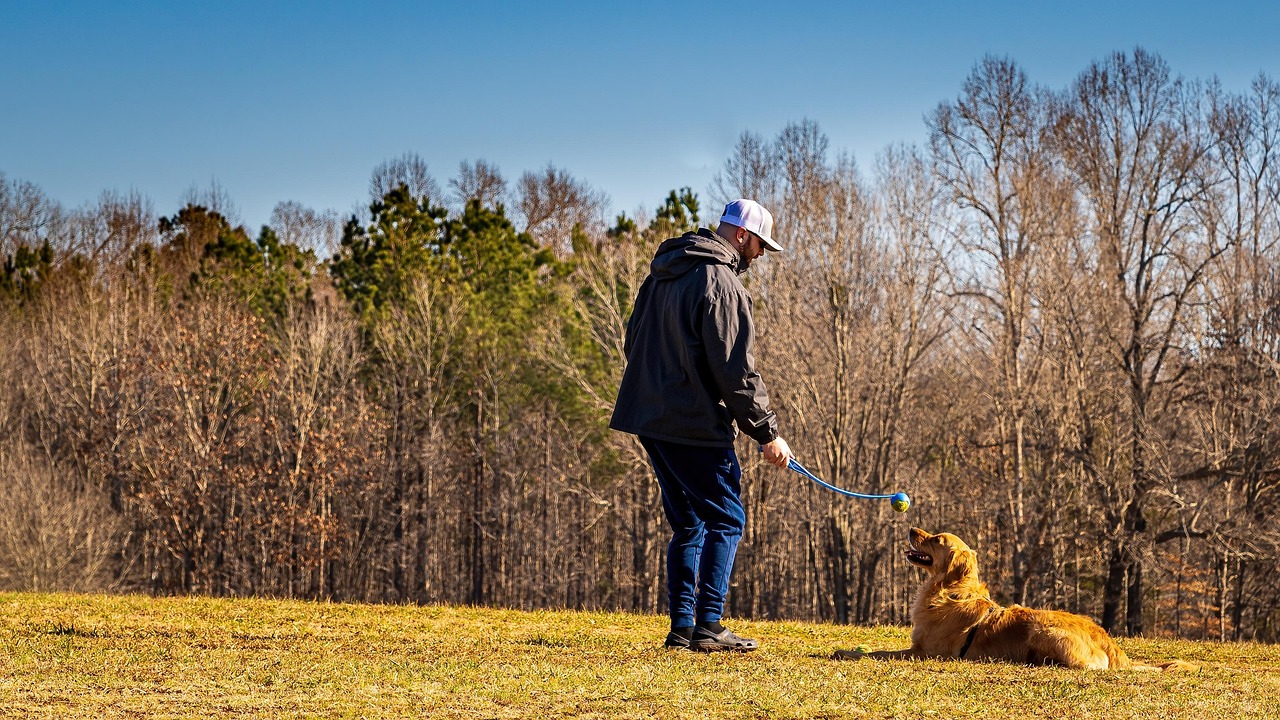
Building solid social skills in dogs requires consistent practice and mindful training strategies. Engaging in routine socialization exercises cultivates positive associations with new experiences. For instance, regularly scheduled visits to puppy classes or the dog park can reinforce desirable behaviors. Always introducing dogs to new sights and sounds in a controlled manner encourages adaptability. Remember, the goal is not to overwhelm the dog but to provide enriching experiences at a manageable pace. Owners should observe their dog’s responses throughout this process, tailoring future experiences accordingly. Incorporating interactive toys during training can heighten interest and engagement. Such tools keep dogs stimulated while building necessary social skills through play. Always reward positive attention during interactions, ensuring that they connect joyful outcomes with socializing. Socialization is a lifelong need; even well-adjusted dogs require continuous exposure to various stimuli. Regularly integrating social experiences within training routines promotes mental wellness and fears. Additionally, collaborating with certified trainers can facilitate a structured approach to training and social skills development. Seeking professional guidance helps create a tailored plan specific to each dog’s needs. Ultimately, persistence in fostering social skills leads to well-rounded, confident canines.
Measuring Progress in Socialization
Monitoring each dog’s socialization progress is invaluable. Regular assessments during training reveal areas that require more attention or reinforcement. Signs of improvement may include reduced anxiety in unfamiliar settings or positive engagement with other dogs. Owners can maintain a socialization journal to track advancements, noting each new experience their dog encounters. Documenting responses provides insight into their dog’s comfort level and reactions. Regularly revisit earlier training goals to measure sustained improvement or emerging issues. Behavior modification may be necessary when problems persist. Incorporating positive experiences into social sessions reassures dogs while helping to solidify learned behaviors. Moreover, engaging with other dog owners can facilitate shared experiences. Discussions with fellow owners or trainers lead to valuable insights and shared strategies. This collaborative approach enhances a comprehensive understanding of socialization processes. It’s crucial to celebrate small victories, whether confidently greeting a new person or engaging in controlled play. Celebrate continuous progress by rewarding dogs after successful social interactions. Positive reinforcement during milestones deepens connections during the training process. Ultimately, evaluating socialization progress lays the groundwork for ongoing assessment of each dog’s training. Positive experiences enrich bonds and maintain the momentum necessary for developing well-adjusted dogs.
Investing time in socialization benefits dogs tremendously. Well-socialized dogs are often more adaptable, confident, and less aggressive. By prioritizing training in diverse environments, owners can cultivate better interactions with humans and other animals alike. The lifelong skills acquired during socialization extend into all aspects of a dog’s life, promoting overall happiness and stability. Socialization reduces the possibility of future behavioral issues; for instance, dogs that receive appropriate training often display reduced anxiety in new situations. This preparation enhances not only their social encounters but their emotional wellbeing as well. Engaging in community events and group activities allows dogs to thrive and mix healthily with their surroundings. Additionally, socialized dogs contribute positively to their communities, exhibiting well-mannered behaviors. Through proper training, they become ambassadors for positive dog ownership. The joy of living with socially adept dogs naturally leads to stronger bonds between owners and their pets. The dedication to socialization reflects a committed approach toward responsible pet ownership. Such attentiveness ultimately cultivates exceptional canine companions. Channeled energy and enthusiasm into comprehensive social training produce lasting benefits, enhancing both the owner’s and dog’s quality of life. A well-socialized dog is truly a delightful companion for many.