
What Judges Look for in Pedigree Cats
Participating in cat shows can be an exhilarating experience for both breeders and their feline companions. Judges evaluate pedigree cats based on specific criteria that encompass multiple aspects of the breed standard. These criteria typically emphasize conformation, coat quality, and overall health, which are all critical factors in showcasing a cat’s potential. Judges often refer to breed standards established by authentic registries, such as the CFA or TICA, to ensure compliance with established norms. A cat’s physical appearance, demeanor, and traits can greatly impact its success in a show setting. Exhibitors must be prepared to present their cats in the best light, highlighting desirable characteristics during the judging process. Excellent grooming plays an important role as well, allowing the cat’s potential to be fully recognized. To succeed in these events, proper preparation and knowledge about breed specifics are essential for any serious exhibitor. Understanding what judges prioritize can set a pedigree cat owner on the path to accolades. Successful breeds will complement their conformation with personality to create a desirable show presence.
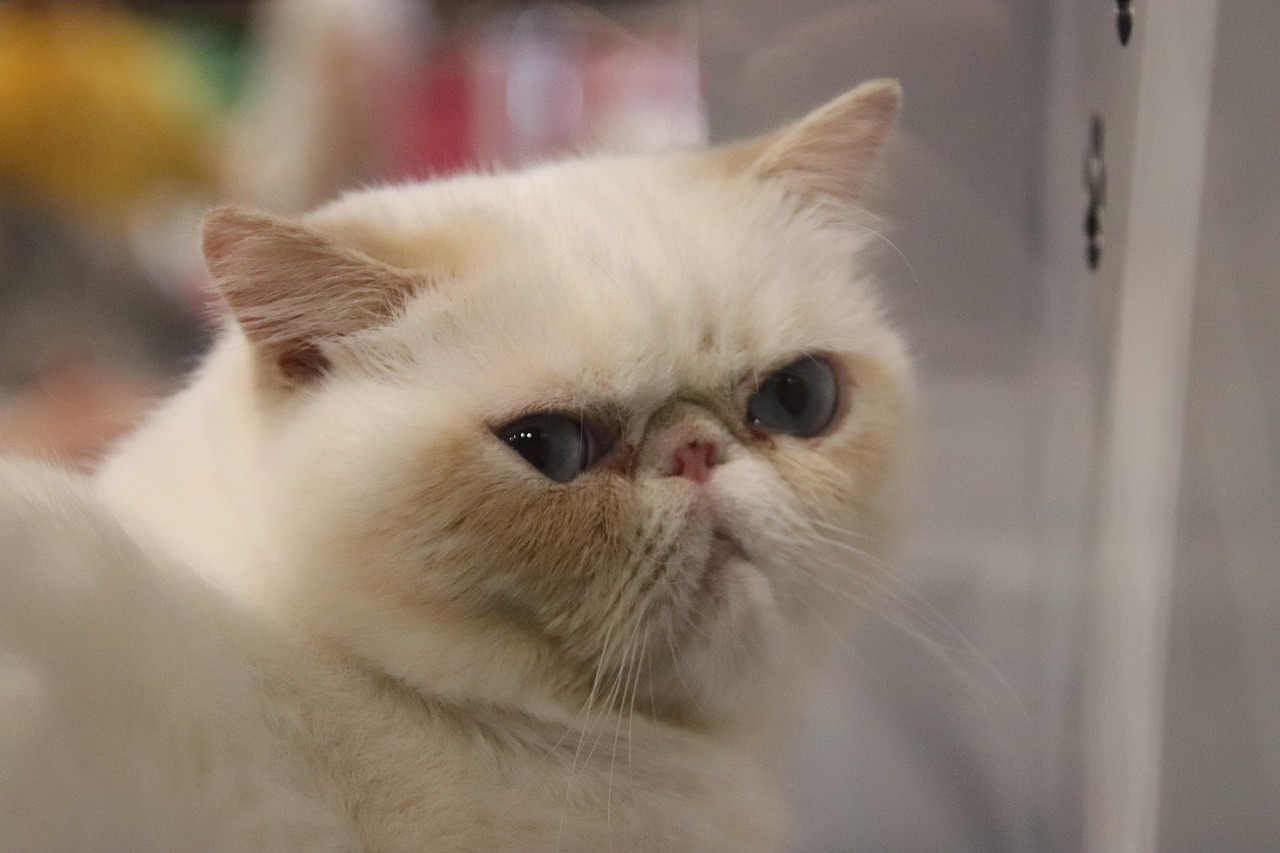
Moreover, judges pay close attention to the pedigree cat’s structure, which involves assessing the head shape, ear set, eye shape, and body type. Correct structure provides a clear indication of breed integrity and adherence to specific standards. Judges will meticulously analyze details from their distinct facial features down to the balance of their physical proportions, thus influencing how well they score in each category. A cat’s eyes play a significant role in its overall appeal, attracting attention with their shape and color. In addition to physical structure, the same eye-catching features must be accompanied by an amiable temperament. Judges appreciate cats that maintain a calm and friendly demeanor, as this reflects good breeding practices. More so, exhibiting a cat with a sociable nature often leaves a favorable impression on judges during a competition. While some breeds are more demanding in terms of presence, others gain points for their gentle expressions. Realizing the amalgamation of characteristics that judges value ensures that breeders prepare effectively for both the cat’s presentation and the show environment.
Coat Quality and Color
Coat quality is another significant element judges evaluate when assessing pedigree cats at shows. A well-groomed, healthy coat demonstrates proper care and treatment, which reflects positively on the breeder’s reputation. Judges specifically look for shine, texture, and cleanliness when examining each cat. Variations in coat length and color may also influence a cat’s chance of winning. Breed standards dictate what colors and patterns are allowed, making it essential for breeders to be knowledgeable about acceptable variations. For instance, a Siamese cat’s color points must be distinct and sharply defined to meet breed expectations. Additionally, judges often gauge the cat’s undercoat and overall presentation of the coat. Breeders should employ effective grooming techniques, ensuring that fur is free of mats and tangles. Using quality grooming tools appropriates the desired results and enhances the overall appearance. A prominent or engaging coat can capture the judges’ attention, but it’s not limited to aesthetics; a healthy coat is a sign of good nutrition and health practices. Winning cats often showcase striking coats that adhere strictly to breed standards.
Health considerations also form a central point of assessment for pedigree cats in shows. Judges favor cats that exhibit signs of good health, such as clear eyes, clean ears, and overall vitality. A cat’s health reflects its lifestyle, and thus it is necessary to ensure that cats are regularly checked by veterinarians before entering a competition. Breeders should also provide health backgrounds that include vaccinations and medical histories if requested. Managing a cat’s health effectively extends beyond merely preparing it for the show; it ensures their well-being for years to come. During the show, judges keenly observe how cats interact with their environment and handlers. Cats displaying confidence, agility, and alertness are often favored. These traits signal to judges that the establishment routine owners maintain not only supports breeding standards, but also nurtures companionship. Maintaining high standards of health practices creates trust and adds credibility. Ultimately, health is a vital part of achieving competitive success at cat shows, complementing all other observed features contributing to overall scores.
The Importance of Breeding Knowledge
A strong understanding of breeding knowledge supports the success of participating in cat shows. Breeders must embrace knowledge regarding the unique characteristics of their breed and the judge’s criteria. The more informed a breeder is about the meticulous details expected in conformation and temperament, the better they can prepare their cats. Educating oneself about historical breed standards and any recent changes allows for more comprehensive preparation and strategy during shows. This includes being aware of the breeding practices that lead to desirable traits in cats, which will have a positive impact on evaluations. Moreover, participating in workshops and seminars held by cat associations will further develop insights into jury selections and grooming tips. Networking with other breeders also provides the potential for shared experiences and gaining feedback on what works best in cat show settings. Engaging in discussions with more seasoned competitors can lead to essential advice and valuable practices that enhance presentation skills. This knowledge ensures opportunities to showcase cats effectively while respecting intricacies that judges prioritize, thus bolstering chances of earning accolades.
Acknowledging how judges score pedigree cats is critical for success at cat shows, which often involves understanding their scoring mechanisms. Each category is assigned a specific point value based on overall criteria that agree upon breed standards. Judges evaluate each section uniformly, typically categorizing structures, coats, and health with administrative scoring charts. This structured approach brings a level of transparency to the judges’ decision-making process. Breeders are encouraged to familiarize themselves with how points accumulate and where specific traits may shine. Often, understanding these structures allows exhibitors to place more focus on certain aspects while grooming and training their cats for shows. Breeders should also anticipate feedback from judges, as comments provide insight into areas requiring improvement. Ultimately, this feedback is a crucial component of growth in breeding practices. Taking scoring seriously offers an edge and can help exhibitors tailor modifications for their upcoming entries. By understanding and adapting preparation based on how strictly judges apply scoring, many find paths to higher success in future competitions with their pedigree cats.
Enter cat shows armed with knowledge, relevant strategies, and an appreciation for what judges genuinely value. Top cats not only exhibit ideal conformation and grooming practices, but embody the spirit of their breed. Pay attention both to structure and the cat’s breed traits, understanding each show’s requirements and emphasizing grooming quality. Developing an attractive pattern exhibited through the coat can make a notable difference in evaluation. Positive health ensures the cat presents itself boldly and are nurtured positively. Remember that temperament is just as important; show cats must exhibit confidence and sociability when interacting with their judges. Additionally, meticulous preparations may include practice sessions mimicking show environments. Working toward an enjoyable show experience is fundamental for both the exhibitor and feline participant, especially as relationships become more rewarding through shared experiences. Moreover, staying updated with popular trends and expectations in the cat show community benefits your chances of success. Participating thoughtfully may increase awareness of evolving styles and preferences in pedigree cats, contributing to an overall enriched breeding experience. Determined dedication to improving skills and knowledge will undoubtedly lead to producing show-winning pedigree cats.
Ultimately, judges look for pedigree cats that demonstrate excellence and meet the standards of the breed while displaying the utmost health and personality. Understanding the intricacies of cat competitions highlights the importance of diligence in preparation, learning strategies from specialists, and investing time in grooming and overall cat care. Achieving success in cat shows is both rewarding and transformative, contributing to higher standards of cat breeding. Moreover, it establishes a rapport between breeders and the judging community, enhancing the credibility of breeding practices. By concentrating efforts toward the aspects valued by judges, breeders will undoubtedly improve their chances of recognition at shows while championing their versatile, wonderful feline companions.