
Yoga and Stretching for Older Dogs
As dogs age, it becomes essential that they engage in activities that promote their well-being. Yoga and stretching can significantly benefit older dogs, offering both physical and mental stimulation. By incorporating gentle movements into their routine, you can help maintain flexibility and overall fitness. Stretching helps alleviate stiffness in joints and muscles, a common issue in senior dogs. It can also improve circulation, easing any discomfort your pet may feel. Additionally, yoga poses are specifically designed to increase balance and coordination, reducing the risk of falls or injuries. You might consider enrolling your dog in a class tailored for seniors. Such classes often cater to the specific needs of older pets, ensuring safety while maximizing benefits. Practices such as tail stretching and downward dog can be simple yet effective. Always consult with your veterinarian before starting any new exercise program. It’s crucial they assess your dog’s health and any pre-existing conditions. With the right guidance, yoga can become an enjoyable part of your senior dog’s life, enriching their daily routine while fostering a deep connection between you both.
Additionally, incorporating yoga into your dog’s life can foster a stronger bond between you and your furry friend. The shared experience of practicing gentle movements together encourages trust and communication. Your dog will start recognizing your cues, and as they begin to follow you in each pose, a beautiful connection is formed. This practice deepens your relationship while enhancing their emotional well-being. When engaging in yoga with your dog, ensure you create a calm environment. A quiet space devoid of distractions will help both of you focus entirely on the exercise. You might find that playing some soft music or calming sounds can further enhance the experience. Gradually introducing different poses, focusing on breathing and relaxation, will help your dog acclimate to the practice. Observe how your canine companion responds to each stretch, making adjustments whenever necessary. Recognize that every dog is unique; some may thrive with specific stretches while others may need more encouragement. Always remain patient and supportive, as yoga should be a stress-free activity for both of you.
One effective exercise for senior dogs is the simple act of stretching. Just like humans, dogs benefit from practicing stretches that loosen up tight muscles and joints. For instance, the leg stretch involves encouraging your dog to extend their legs—front and back—one at a time. You can hold a treat in front of your dog to motivate them right before their nose, making it a fun and engaging task. Another beneficial stretch is the neck stretch, where you gently encourage your dog to move their head side to side. This exercise improves agility and flexibility as well. Importantly, monitor your dog closely during these stretches to ensure they are not dealing with any pain or discomfort. Only perform these exercises for a short duration, maintaining a light-hearted atmosphere throughout. Remember, stretching should be an enjoyable experience. Using positive reinforcement techniques like praise or treats can encourage more significant participation from your furry friend. Always consult a veterinarian for personalized advice regarding the way your senior dog should stretch based on their condition and overall health.
Gentle Yoga Poses for Senior Dogs
The downward dog pose is another wonderful position for older pets. It helps to stretch out the spine, legs, and shoulders. To assist your dog in this pose, you could gently nudge their back legs while they lay down, encouraging the upward movement of their back. Be certain to observe your dog’s body language to ensure they feel comfortable and safe during the pose. The cobra stretch is also highly beneficial. Here, your dog will lower their front body while keeping their back legs extended behind them. Bringing a treat close to your dog’s nose can help them initiate this movement naturally. As you practice these poses regularly, you will likely see increased ease of movement for your dog over time. The emotional benefits of engaging in yoga extend beyond physical health, fostering a sense of relaxation and calm for both you and your dog. Taking breaks during your session allows adequate rest for your pet, reinforcing that this practice is meant to be enjoyable. Yoga is a wonderful way to connect while enhancing your older dog’s quality of life.
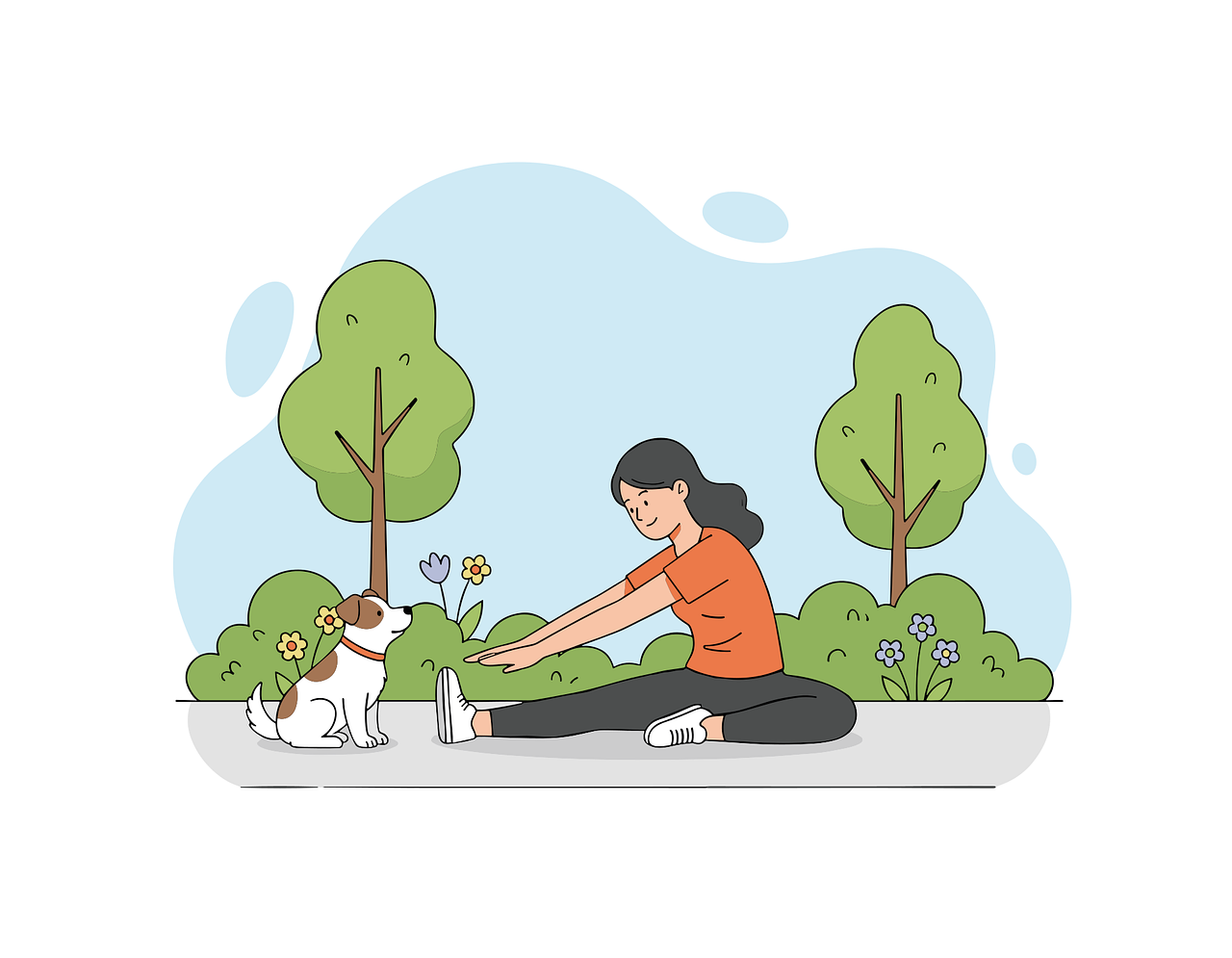
In addition to physical benefits, yoga and stretching can significantly reduce stress levels in senior dogs. Older pets often experience anxiety due to various factors, including aging or changes in their environment. Practicing yoga together can provide a peaceful, focused activity that promotes relaxation. Engaging your dog in gentle breathing exercises can help center their attention and calm their minds. This practice parallels the calmness often found through meditation. Furthermore, spending this quality time together reinforces feelings of security and companionship. Make sure your dog has designated quiet space ready for practicing, as this aids in creating familiarity with the routine. You might even consider using a mat, similar to yours, designed for dogs to help them understand their personal space during each session. Turning on gentle music can also enhance the atmosphere. Establishing a regular practice schedule will allow your senior dog to acclimate to the exercises better, building confidence over time. Celebrate small milestones and encourage positive interactions, recognizing the fun even small successes can provide. This approach boosts your dog’s happiness and confidence, fostering a sense of joy.
Creating a Routine
Developing a consistent routine around yoga sessions is crucial. By selecting specific days and times to practice, your dog will come to expect these moments and see them as an integral part of their day. Familiarity breeds comfort, which is particularly vital for senior dogs. As you integrate yoga practice, create time for stretching and post-exercise relaxation as well. The transition from stretching to gentle yoga poses allows for a smooth flow in practice. Remember to celebrate your dog’s achievements, reinforcing positive behavior with praise or rewarding them with favorite treats. Such gestures encourage them to engage and participate wholeheartedly. Another technique that can be beneficial is the use of gentle massage before or after practice. Massage can alleviate any anxiety or discomfort your dog may experience, making them more receptive to participating in yoga. Always make adjustments based on your dog’s needs, keeping communication open between you. This bond strengthens through regular practice, ensuring both you and your dog enjoy yoga and stretching together. Working collaboratively creates a pleasant experience that honors the needs of your beloved companion.
Finally, always listen to your dog throughout your yoga journey. If they seem disinterested or uncomfortable with certain poses, don’t hesitate to modify the routine to suit their preferences. It’s essential to keep the exercises light-hearted and not pressured. Your dog should look forward to this time together, which should be viewed as an opportunity for connection rather than a task. You may want to consider tapping into dog-friendly products designed for enhancing the yoga experience. There are dog mats specifically created for this purpose, ensuring comfort and stability during poses. Additionally, treats strategically placed can serve as both motivation and reinforcement for engaging successfully in the exercises. Throughout this practice, continuously reinforce the idea that you are both there to share calming, joyful moments. The final takeaway is to understand that just as in human yoga practice, consistency, patience, and understanding are key to achieving positive results. By fostering a nurturing environment that encourages exploration, both you and your senior dog will appreciate the many benefits of yoga and stretching.
In conclusion, practicing yoga and stretching with senior dogs is not only beneficial for physical health but also for emotional connection. By introducing gentle exercises into their routine, you enrich their lives, facilitating better mobility and overall wellness. As senior dogs may experience discomfort, tailored movements in yoga also bring about stress relief and mental calm. A consistent routine creates an enjoyable experience for both pet and owner. Remember to consult your veterinarian before beginning any new activities to ensure the safety and well-being of your beloved companion. Ultimately, engaging in yoga fosters a sense of calm, building deeper connections while improving your dog’s quality of life. Incorporate it into your daily routine, making adjustments as necessary. Celebrate each milestone your dog achieves during practice and remember to always observe their responses. Spend quality time, reinforcing your bond through shared experiences. Enrich their lives with rewarding interactions, ensuring that they not only remain active but also feel loved. With thoughtful application of yoga and stretching, older dogs can thrive in their golden years, enjoying the benefits of a flexible, connected lifestyle. Exercise and companionship go hand in hand.