
Cat Climbing Commands Every Owner Should Know
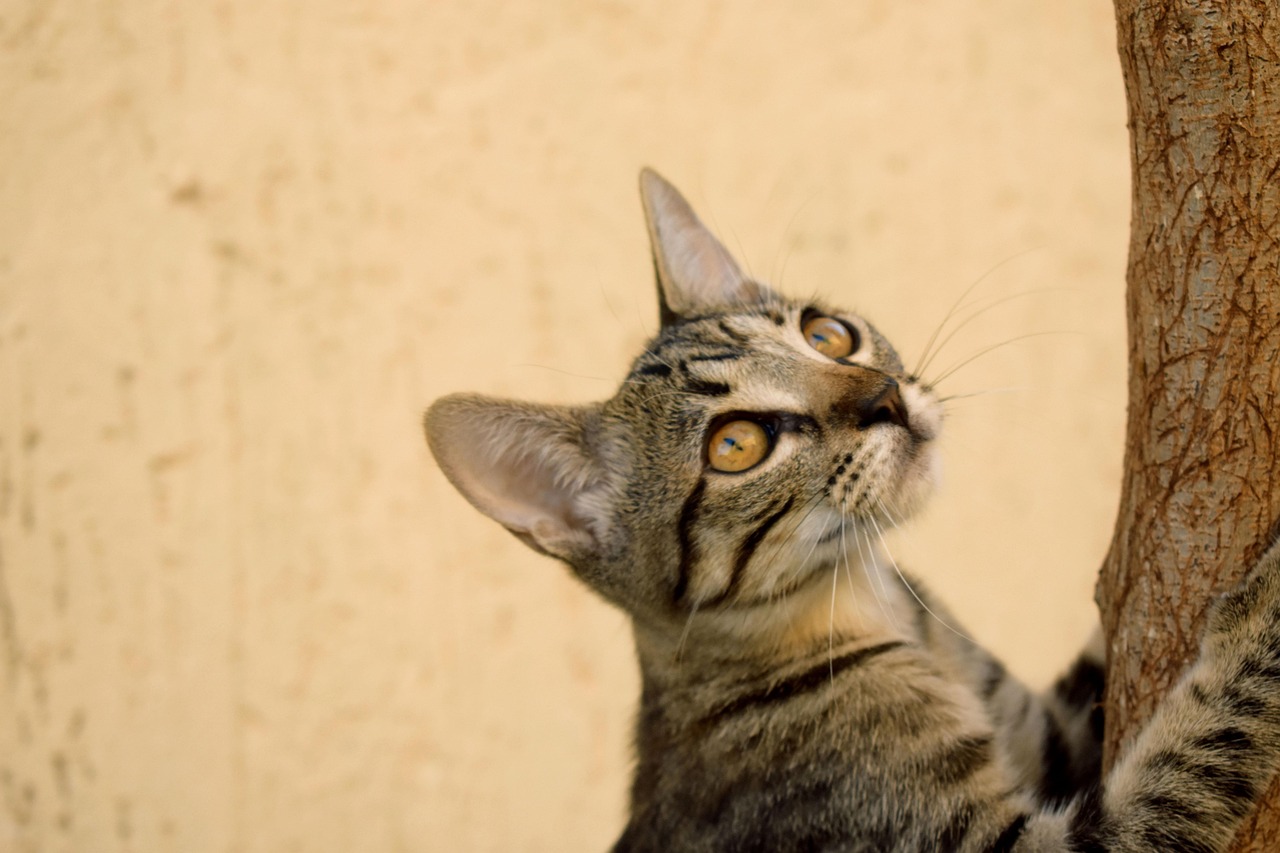
Cat climbing commands enhance your feline’s agility and promote playful behavior. Such commands integrate physical activity and mental stimulation, which contribute to overall well-being. When teaching these commands, consistency is vital—your cat requires clear, repetitive signals to understand what behavior is desired. Start by using simple commands like “Up” or “Climb” to direct your feline. Reward good behavior with treats or a favorite toy to reinforce the command. Consistency will gradually help your cat associate the command with the action. Make sure to use a calm and encouraging tone during training sessions. Establishing your cat’s favorite climbing spots can also assist in successful training. Large cat trees or shelves are excellent choices, providing them spaces where they feel secure and confident. You can begin your session by placing treats at the peak of the tree. As your cat ascends, issue the command clearly. Repetition and patience are crucial; training may take some time but will yield gratifying results. Engaging in this activity together strengthens your bond and encourages your cat’s natural instincts. Over time, they will become adept at climbing upon command, making playtime more enjoyable.
Receiving enthusiastic responses to commands stems from rewarding your cat after successful climbing or jumping. To improve their responsiveness, initiate training in a distraction-free environment. This helps your cat concentrate solely on you and the commands being taught. Use hand gestures in coordination with verbal commands to facilitate understanding. Cats are observant and often respond to visual cues. For jumping commands, use phrases like “Jump” when enticing your cat to leap onto an elevated surface. Placing a stimulating toy or a treat on a shelf encourages them to engage with the command. Ensure your cat feels safe during this process by practicing on stable surfaces. Avoid forcing them to jump higher than they are comfortable with; every leap should be within their skill level. Start with minor heights and gradually increase them as they grow more confident. Positive reinforcement, such as treats or playtime, is essential in motivating your cat. Maintain fun, light-hearted sessions that will keep their interest piqued. Cats thrive in environments where they feel praised for their successes. By ensuring joyful learning experiences and appropriate challenges, your feline can master climbing and jumping commands with ease.
Creating a Safe Climbing Environment
A safe climbing environment is foundational in training your cat for climbing commands. Ensuring that the surroundings are suitable can prevent accidents or injuries during training sessions. Inspect all climbing structures, including cat trees and shelves, to guarantee their stability. Creating enclosed spaces can increase your cat’s confidence when attempting new heights. Additionally, clear surrounding areas of obstacles, as clutter can result in falls or startled reactions. Encouraging exploration is key; however, safety must remain a priority. Using padded surfaces, such as carpets or mats, can also help in providing comfort while training. Train cats only on objects designed for climbing to minimize risk. After setting up the environment, introduce climbing commands in a positive manner. Each climb should be followed by praise and treats to reinforce confidence. Through safe and stimulating settings, your cat will adapt and become comfortable performing climbing behaviors. Monitor their progress to ensure they are enjoying the training process. Creating an engaging atmosphere enables your cat to perceive this activity as fulfilling rather than stressful. Causing uneasiness during training could lead to negative associations with climbing commands, which you want to avoid.
Training with a partner might also prove beneficial. Having someone assist will allow you to focus on teaching while they guide your cat on the physical aspects of climbing. This teamwork can lead to faster learning due to simultaneous encouragement and attention. In addition, you can switch roles to maintain fun and engagement. Using various treats during the training can enrich the experience, keeping your cat attentive and eager. Experiment with small amounts of catnip or a variety of favorite snacks to discover what excites your pet most. Regular training sessions, even brief ones, help reinforce learned behaviors, ensuring promises of greater success long term. If your cat appears disinterested or frustrated, consider adjusting your approach. Perhaps the commands are too complex or may need additional soft cues to help them adapt. Remaining flexible during training is vital, as every cat learns at their own pace. Celebrate every small victory, rewarding your cat and strengthening your bond. Always bear in mind that patience is paramount in training, and each cat’s personality significantly influences their eagerness to learn. By fostering enjoyment in climbing commands, you contribute to your cat’s happiness.
Understanding Feline Behavior
Understanding feline behavior plays an important role in teaching climbing and jumping commands. Every cat possesses unique instincts and preferences, which influence how they respond to training. Cats are naturally drawn to heights, often climbing to survey their territory. Harnessing this instinct is crucial for successful command training. Observe your cat; see where they show natural curiosity and agility. Connecting desired commands with their inherent abilities is an effective strategy. Each cat possesses distinct qualities; some may prefer jumping over climbing, so adapt your approach accordingly. Gentle encouragement works wonders, allowing your pet to feel secure while exploring new skills. Developing a firm understanding of your cat’s temperament and comfort levels is essential. Using their favorite toys as motivational tools can enhance their willingness to engage with commands. Consistent practice helps in shaping their instincts into learned behaviors over time. Additionally, create positive experiences and always allow them to take the lead. Offering a blend of challenge and reward encourages mastery without frustration. As they progress, you’ll notice their skills appear more refined and their repertoire of commands expanding significantly. Embracing their individuality is key to establishing an effective training routine.
Cat agility events display the potential for climbing commands in a competitive arena. Engaging in agility training can foster adaptations in your cat’s jumping and climbing prowess. Numerous agility courses cater specifically to feline athletes, designed with engaging obstacles for enrichment. Through participation, your cat learns valuable skills while having loads of fun. Training for these events allows both you and your cat to bond over shared experiences. Start preparing for agility competitions by implementing gradual progression, slowly introducing commands in a playful nature. Attending classes can provide both you and your cat exposure to various techniques and the chance to socialize with other feline enthusiasts. The collective experience reinforces effective training methods. Agility competitions can invigorate your cat’s spirit, driving them to excel with each subsequent round. When you commit time to training, showcasing their skills can be a fulfilling journey. Additionally, agility events encourage exercise, keeping your cat active and healthy. Remember, every challenge should be taken in stride without added pressure. Assure your feline enjoys participating, as enthusiasm stands as the core of training advancements, leading to successful climbing and jumping command mastery.
Consistent Reinforcement Strategies
Developing consistent reinforcement strategies holds immense importance when teaching climbing commands. Providing immediate rewards—such as treats—enforces positive behaviors, building lasting associations in your cat’s mind. This dogma leads to better learning outcomes during training. When your cat successfully executes the command, reward them immediately to strengthen their recognition of the desirable action. Think of varied reinforcement solutions to heighten motivation further. For some cats, verbal praise or follow-up play sessions might serve as more effective rewards than treats. Switching up the type of reinforcement keeps daily training intriguing for your cat. Consistency is fundamental; use the same verbal cues and hand gestures during sessions. Repeating commands and visual signals allows your cat to develop familiarity with expectations, leading to increased proficiency. Eventually, it encourages independent climbing without anticipating immediate rewards. It’s essential to ensure that each reward matches the effort, as this fosters a strong connection between behavior and positive outcomes. Avoid negative reinforcement to prevent anxiety or insecurity in your cat; utilizing constructive methods will lead to enriching results. Strong foundation leads to future success, thereby enhancing not just climbing abilities but also confidence in interactions with their environment.
In conclusion, understanding and implementing climbing commands enriches life for both cats and their owners. The journey toward mastering commands fosters a deeper connection between you and your feline companion. Every playful leap and climbs further enhance their natural instincts while boosting confidence. As you train, remember to prioritize your cat’s comfort and safety. Go at their pace while gradually introducing variations in the training process. By creating engaging and safe climbing environments, along with consistent reinforcement, your cat will surely flourish. Harnessing their natural curiosity and abilities leads to exciting mutual experiences. Celebrate your cat’s progress, no matter how small, and find joy in the learning journey. The bond you create through command training is invaluable, ensuring you become attuned to their needs. Beyond being merely fun activities, climbing commands positively impact your cat’s fitness and mental stimulation. Share the knowledge gained and let others appreciate the wonders of an agile feline. Encourage them to embrace their cats’ behavior, facilitating enjoyable and constructive training experiences. Within this nurturing approach lies the essence of thriving together. With dedication, patience, and love, you and your cat will navigate the commanding journey wonderfully.